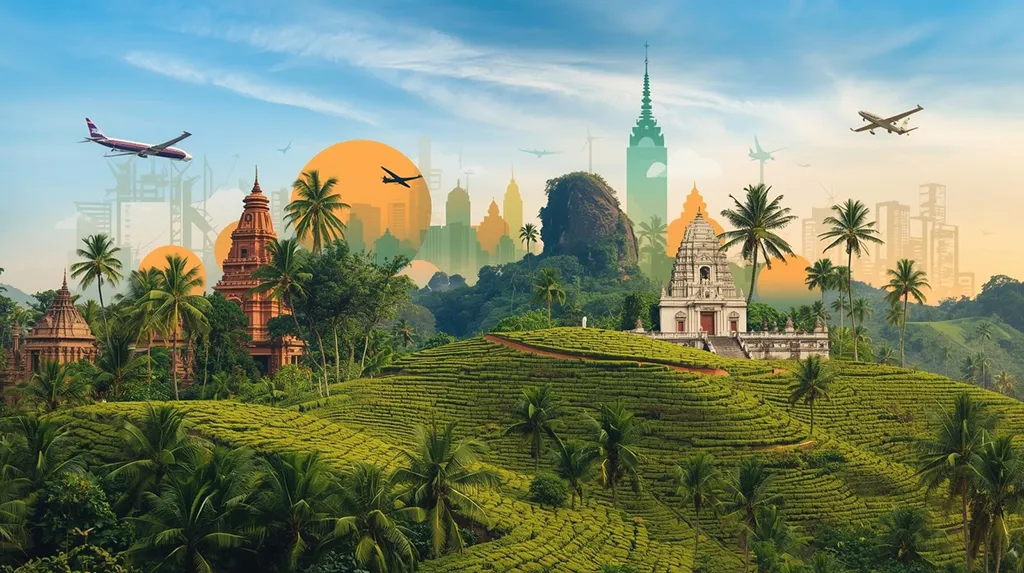
Best Travel Apps for South Asia Trips
Traveling through South Asia is an experience like no other. From the chaotic, colorful streets of Delhi to the serene beaches of Sri Lanka and the towering peaks of Nepal, the region offers a sensory overload in the best possible way. But let’s be honest: navigating this part of the world can sometimes feel overwhelming, especially if you’re trying to figure out local bus routes or haggle with a tuk-tuk driver in a language you don’t speak.
While spontaneity is part of the adventure, having the right digital tools in your pocket can significantly reduce friction. The difference between a stressful afternoon getting lost in Mumbai and a smooth ride to your hotel often comes down to one thing: having the right app installed.
This isn’t a list of flashy, “must-have” apps that you’ll delete the moment you get home. Instead, we’re focusing on utility-first applications that solve real problems—transportation, navigation, money management, and safety—specifically for the South Asian context. Whether you’re a first-timer or a seasoned backpacker returning to the region, these tools will help you spend less time stressing over logistics and more time soaking in the culture.
Travel Apps for Navigation in South Asia
We all know Google Maps is the gold standard for global navigation, and it works exceptionally well in major South Asian cities. However, relying solely on it can leave you stranded when you venture off the beaten path or when network connectivity drops.
Maps.me: The Offline Lifesaver
Data connectivity in South Asia can be spotty, especially when you’re traveling between cities or trekking in remote areas like the Annapurna Circuit or the hill country of Sri Lanka. Maps.me is essential because it lets you download highly detailed maps of entire countries or regions for offline use.
Unlike Google Maps, which sometimes limits the size of offline areas, Maps.me is built on OpenStreetMap data. This means it often has better detail for walking trails, small alleyways, and points of interest that aren’t commercially listed on Google. If you’re planning to hike or explore rural villages where 4G is a myth, this app is non-negotiable.
Pro Tip: Download the maps for your destination while you’re still on a strong Wi-Fi signal at your hotel, or before you leave home. The files can be large, and you don’t want to burn through your data plan downloading them on the go.
Citymapper: For Urban Chaos
While currently limited to major global metropolises, Citymapper is slowly expanding its footprint. In cities where it is available, it offers a level of public transport detail hard to beat. It integrates data from buses, trains, metros, and even ferries into a single seamless interface.
If you are spending time in a central hub that supports it, the app tells you exactly which train car to sit in for the quickest exit and notifies you when your stop is coming up—a massive help when the announcements are in a language you don’t understand, and the bus is too crowded to see out the window.
Conquering Transport: The Ride-Hailing Revolution
The days of mandatory haggling with rickshaw drivers are fading—though still a fun cultural experience if you’re in the mood! Ride-hailing apps have revolutionized travel in South Asia, offering fixed prices, safety tracking, and the ability to pay by credit card, so you can save your cash for street food.
Uber: The Reliable Global Standard
Uber maintains a strong presence in India, Sri Lanka, and Bangladesh. It provides a familiar interface for travelers and is often the most reliable option for airport transfers or long-distance intercity rides. The safety features, such as “Share Your Trip,” are particularly reassuring for solo travelers arriving in a new city late at night.
However, keep in mind that in some South Asian cities, Uber drivers may prefer cash payments over credit cards due to immediate liquidity needs. It’s always good to have some small bills handy just in case.

Ola Cabs: India's Homegrown Hero
If you are traveling in India, you need Ola. It is Uber’s biggest competitor and often has better availability in smaller Tier-2 and Tier-3 cities where Uber hasn’t fully penetrated. Ola offers a variety of vehicle options, from standard sedans (“Prime”) to budget-friendly hatchbacks (“Micro”) and, crucially, auto-rickshaws.
Booking an auto-rickshaw through Ola takes the stress out of negotiating fares. You get a metered or fixed rate right on the screen, eliminating the “tourist tax” often added to street hails.
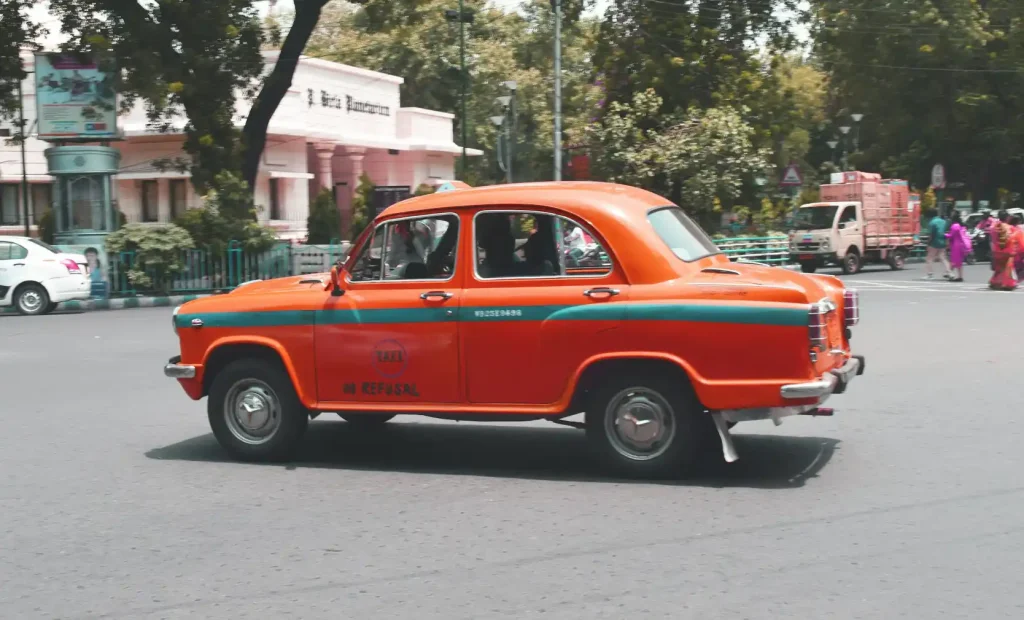
PickMe: Essential for Sri Lanka
Uber exists in Colombo, but for the rest of Sri Lanka, PickMe is king. This local app connects you with tuk-tuks, cars, and even trucks. The interface is intuitive, and the drivers are generally very responsive.
One of the best features of PickMe is the ability to hire a vehicle for a longer duration or a multi-stop trip, which is perfect if you want to do a day tour of temples in Kandy or visit tea plantations in Nuwara Eliya without joining a large tour group.

Pathao: Navigating Bangladesh and Nepal
In the dense traffic of Dhaka or Kathmandu, cars can often move more slowly than walking. Enter Pathao. This app focuses heavily on motorbike taxis, which weave through gridlock much faster than four-wheeled vehicles. It’s widely used in Bangladesh and Nepal and is significantly cheaper than a cab.
If hopping on the back of a stranger’s bike isn’t your speed, they also offer car services, but the bike option is the local hack for beating rush-hour traffic.
Money Matters: Currency & Payments
Managing money in South Asia requires a mix of cash and digital savvy. While cash is still king in local markets, digital payments are exploding, and knowing how to access your funds without exorbitant fees is crucial.
XE Currency: Real-Time Exchange Rates
You will be doing mental math constantly—converting Rupees, Taka, or LKR to your home currency. XE Currency is the standard for a reason. It updates rates in real-time (when connected) and stores the last updated rates for offline use.
Before you buy that pashmina shawl or negotiate a taxi fare, a quick check on XE ensures you know exactly how much you’re spending. It prevents that sinking feeling of realizing later that you paid $50 for a $5 souvenir.
Wise (formerly TransferWise)
Traditional bank cards often charge hefty foreign transaction fees and use poor exchange rates. The Wise card is a fantastic tool for modern travelers. It lets you hold money in multiple currencies and spend it like a local card, with significantly lower fees.
In many South Asian cities, ATMs can charge high withdrawal fees. Using a card like Wise doesn’t eliminate ATM fees, but it ensures your bank doesn’t add another 3-5% on top. Plus, the app gives you instant notifications for every transaction, helping you keep track of your budget in real-time.
Local Digital Wallets (Paytm, bKash, etc.)
While setting these up as a foreigner can sometimes be tricky due to local KYC (Know Your Customer) regulations requiring a local phone number or ID, it’s worth knowing about them. In India, for example, Unified Payments Interface (UPI) QR codes are everywhere—from luxury malls to roadside chai stalls.
Recently, India has started allowing visitors from certain countries to use UPI through specific apps or prepaid wallets issued at airports. If you can get access to this, it changes the game, allowing you to pay for a 10-rupee tea digitally without hunting for change.
Essential Travel Apps for Safety and Communication
Safety in South Asia is generally about common sense, but having the correct information at your fingertips adds a layer of security. Communication apps are also vital for staying in touch with hosts, drivers, and new friends.
WhatsApp: The Communication Backbone
In South Asia, WhatsApp isn’t just a messaging app; it’s how business gets done. Your hotel might send you check-in instructions via WhatsApp. Your driver will share their location via WhatsApp. You’ll meet fellow travelers and start a WhatsApp group chat.
Ensure it’s installed and set up before you land. If you buy a local SIM card (highly recommended for cheaper data), you can keep your original WhatsApp number active, allowing you to stay in touch with family back home seamlessly.
Google Translate: Breaking the Language Barrier
English is widely spoken across much of South Asia, particularly in hospitality and major cities. However, a translation app is invaluable for reading menus, understanding street signs, or communicating with people in rural areas.
The “Camera” feature in Google Translate is magic. Point your phone at a script you can’t read—whether it’s Hindi, Bengali, Tamil, or Sinhala—and watch it transform into English in real-time. It’s not always perfect, but it’s usually enough to understand if you’re ordering a spicy curry or a mild dessert.
AccuWeather or Local Weather Apps
South Asian weather can be unpredictable. A sunny morning in Kerala can turn into a monsoon downpour by the afternoon. In the Himalayas, weather conditions can change rapidly and dangerously.
AccuWeather tends to be reasonably reliable in the region, offering “RealFeel” temperatures, which are crucial when the humidity is 90%. If you are traveling during monsoon season, keeping an eye on weather alerts can help you avoid getting stuck in flooded areas or facing travel delays.
Accommodation and Planning
While you might have booked your central hotels in advance, flexibility is key. Sometimes you arrive in a town and love it so much you want to stay, or the place you booked looks nothing like the photos.
Agoda: The Regional Specialist
While Booking.com and Airbnb are popular globally, Agoda often has the upper hand in Asia. They frequently have better inventory for smaller guesthouses, homestays, and budget hotels that might not be listed on Western-centric platforms.
Their “Homes” section rivals Airbnb in some areas, and their reward system can add up quickly if you’re traveling for a few weeks. Always compare prices, but don’t be surprised if Agoda offers the best deal in this specific region.
12Go: Transport Booking Made Easy
Booking trains in India or buses in Vietnam used to involve queuing at chaotic stations. 12Go aggregates train, bus, ferry, and flight schedules across Southeast and South Asia.
It shows you photos of the bus (so you know if “VIP sleeper” actually means a bed or just a reclining seat), user reviews, and allows you to book tickets online. For popular routes, like the train from Kandy to Ella in Sri Lanka, booking in advance through a platform like this saves you the disappointment of sold-out seats.
Digital Hygiene: A Note on Connectivity
To make all these apps work effectively, you need a reliable internet connection. Relying on hotel Wi-Fi isn’t enough.
Upon arrival at any major international airport in South Asia (Delhi, Mumbai, Colombo, or Kathmandu), look for the kiosk of a primary telecom provider (such as Airtel, Jio, Dialog, or Ncell). Buying a tourist SIM card is cheap—usually between $10 and $20 for a generous data package that lasts a month.
Having your own data connection ensures your maps load when you’re lost, your Uber driver can find you, and you can instantly translate that menu. It is the most critical tool in your digital kit.
Cultural Context & Responsible Usage
While apps make travel easier, remember to look up. South Asia is a region of incredible human connection. Don’t get so glued to Google Maps that you miss the chaotic beauty of the street life around you.
Use technology to handle the boring logistics—the payments, the bookings, the navigation—so you have the mental space to engage with the culture. Use the translation app to learn a few basic phrases, not just to replace conversation. Use the ride-hailing app to get there safely, but chat with your driver if language permits.
Travel is about closing the distance, and when used correctly, these apps do exactly that. They remove the barriers of fear and confusion, leaving you free to explore with confidence.
Ready to travel smarter, not harder?