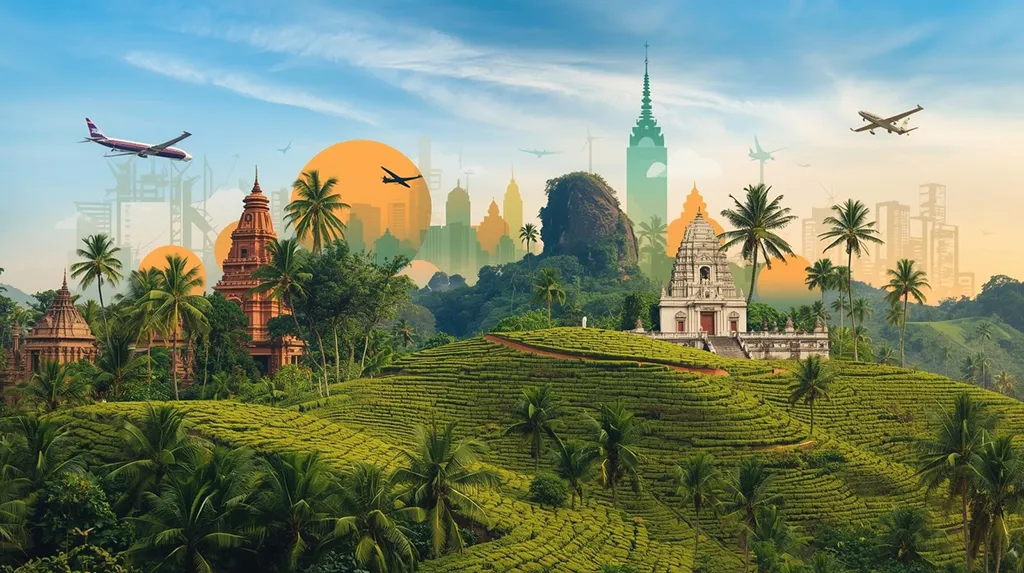
Sri Lankan Tea: A Day in Tea Country
When people visit the hill country in Sri Lanka, they always leave with a unique story. They see green tea plantations in the mist, smell the sweet scent of tea leaves, and feel a mix of emotions when they meet the friendly tea pickers who have mastered their jobs for generations. At TripxAsia, we have collected real stories and insights from travelers to inspire your own visit to this magical tea destination. Whether you want to take a vintage train ride or sip Ceylon tea where it originated, Sri Lanka’s tea country offers experiences that you will remember long after you get home.
Why Travelers Love Sri Lankan Tea Country Country
Sri Lanka’s tea country offers more than just tea; it invites travelers to explore its beautiful landscapes, rich culture, and history. In the cooler central highlands, places like Nuwara Eliya, Ella, and Haputale provide stunning views and authentic cultural experiences.
You can still see English colonial architecture in the buildings and plantations, reflecting a blend of Eastern and Western influences. The true essence of these areas comes from the local people—tea pickers, factory workers, and estate managers—who share stories and traditions passed down through generations.
For those seeking adventure, there are many hiking trails, waterfalls, and scenic viewpoints. Tea lovers can learn about how tea goes from leaf to cup. Eco-conscious travelers will find many plantations practicing sustainable, ethical farming, demonstrating the benefits of fair trade and organic methods.
The cool weather in the hill country offers a nice break from the hot, humid coast. With year-round temperatures ranging from 15 to 20°C, it’s perfect for exploring without overheating. A five-hour drive from Kandy to Nuwara Eliya leads to warmer, more lush tea plantations. Everyone would enjoy a visit to this picturesque area, which still shows its British colonial charm.
Morning Train from Kandy to Nuwara Eliya
The alarm goes off at 5:30 A.M., and instead of feeling tired, you feel excited. The train journey from Kandy to Nuwara Eliya is one of the most beautiful in the world and is a must-do. By 6:45, you are at Kandy Railway Station with a ticket in your purse. You see the vintage blue train pull into the platform, its nostalgic whistle echoing.
You find your seat next to an open window, and the train starts moving up into the highlands. During the first hour, you pass through valleys with villages and see children waving at the train. The sound of the train wheels on the tracks is soothing.
Gradually, the scenery changes. The rice fields disappear and give way to endless tea plantations on the hills. The air cools and smells sweet, filled with the scent of tea leaves. Other passengers lean out the windows, cameras ready, trying to capture the stunning views of misty mountains and waterfalls.
Around 10:30, the train goes over the famous Nine Arch Bridge near Ella. Built during British colonial rule, it is a beautifully crafted structure surrounded by lush jungle. The train slows down, possibly for photographers to take their pictures, and for a moment, it feels like time has stopped.
Vendors walk through the train offering fresh fruit, spicy samosas, and sweet tea in small plastic cups. The tea tastes different here—more vibrant. At one small station, an old Tamil tea picker boards the train. Her hands show the signs of years of work. She smiles as you say a few words in Tamil, and she tells you that her grandmother worked on these estates for many years.
Around noon, the train arrives at Nanu Oya station, the closest station to Nuwara Eliya. The three-hour journey feels long but passes quickly. You breathe in the cool mountain air as you step onto the platform, knowing you will ride this train again before your trip ends in Sri Lanka.

Exploring Sri Lankan Tea Plantations & Tastings
Just a short tuk-tuk ride from Nuwara Eliya, you can visit one of the area’s famous tea estates, Pedro Tea Estate. As you arrive, you see tea bushes arranged neatly on the hills, creating beautiful patterns. A guide named Chaminda welcomes you. His family has been in the tea business for three generations.
Once you’re in the plantation, you notice the tea pickers at work. They wear bright saris and balance large wicker baskets on their heads. They carefully pick only the top two leaves and a bud — the best quality for Ceylon tea. Their hands move quickly, making it fascinating to watch. One of the pickers, Lakshmi, takes a moment to show you how it’s done. “Feel the leaf,” she says, placing a soft shoot in your hand. “It should be soft but firm. That’s how you know it’s right.”
During the factory tour, you learn about the tea-making process. Fresh green leaves are withered, rolled, oxidized, and dried. Each step is carefully timed to create different types of tea. The machinery, some of which is over 100 years old, works remarkably well. The aroma inside is wonderful — floral, grassy, and calming.
Then comes the moment every tea lover looks forward to: the tasting session. You sit on a veranda that overlooks the estate and learn about different types of tea — Silver Tips, Orange Pekoe, and Broken Orange Pekoe Fannings (BOPF). Each cup has its own story.
The Silver Tips are fragrant, with champagne-like qualities and hints of honey. Orange Pekoe is brighter and medium-bodied, balancing the strengths of both strong and light teas. The BOPF, often used in tea bags, surprises with its bold, malty flavor, which pairs well with milk and sugar.
Chaminda explains how the environment affects tea flavor, as it does with wine. “The altitude, the soil, the rain, and the timing of the pick all affect the taste,” he says while pouring more tea. “Our high-grown teas from over 1,200 meters have a bright, crisp character you won’t find at lower elevations.”
You buy some loose-leaf tea to take home. When you brew it later, it brings back memories of the veranda, the view, and the special moment spent there.

Scenic Viewpoints & Nature Moments
You spend your afternoon at Lovers Leap viewpoint, one of the best places to see the views in Nuwara Eliya. The name comes from a sad local legend, but the view deserves your full attention. From this spot, you can see the valley below, which is a patchwork of tea estates, pine forests, and small villages connected by winding roads.
At about 4 p.m., the warm light turns everything gold. Clouds drift through the valley, giving it a magical look. You sit on a rock and breathe deeply, soaking in the calmness.
An older man with an umbrella appears, smiling at your determination in the rain. “Beautiful, isn’t it?” he asks in a gentle accent. He has been coming here for 40 years and says, “It never gets old.”
You talk with him about his life in Nuwara Eliya, the town’s changes, and developments in the tea industry. He mentions that he lost his job at a tea estate but never left because “this is home.” He tells you about his granddaughter, who just started university and wants to be a teacher. “But I tell her, don’t forget where we come from. This tea educated her parents.”
Before he leaves, he offers wise but straightforward advice: “Don’t just see Sri Lanka. Feel it. That’s what real travel is about.”
Ending the Day with Calm Reflection
You arrive at your guesthouse, a charming colonial bungalow. In the evenings, the owner, Nethmi, serves Ceylon tea on the terrace as the sun sets.
You remember the day’s surprises: the train trip was better than you expected, the tea had many layers of flavor, and the people on the plantations showed dignity and warmth. You admired the stunning mountains that seemed to touch the sky.
Travel usually promises change but often only brings brief satisfaction. However, something has changed in you. You came for pretty pictures and Instagram moments. Still, you are leaving with a more profound respect for the human stories attached to everyday objects, an appreciation for tradition, and the quiet strength of simply being present.
Nethmi sees that you are thinking. “This is what Sri Lanka does to people,” she says wisely. “You come for the sights, but you leave with the feelings.”
She is right. You will continue your journey tomorrow, but a part of you will stay in the hills full of tea, forever changed by your time in the beautiful heart of Sri Lanka.
Carry Sri Lanka’s Tea Country in Your Heart
As your plane departs Colombo on the way home, the memories of Sri Lanka’s tea country may feel almost unreal. Did you really ride that old train into the clouds? Did Priya truly invite you into her home to share the secret of kiri tea? Did you gaze from Lover’s Leap as the rain created art in the valley below?
The packets of Ceylon tea in your luggage prove it happened. But what you take back isn’t just souvenirs; it’s a new way of seeing the world. You gain a deeper appreciation for the journey from earth to cup and the people whose warmth matches the tea they produce.
Sri Lankan tea country is about more than beautiful views. It’s about connection — to the land, to traditions, and to the lives intertwined with every tea leaf. It reminds us that good travel is about pausing, listening, and being open to change from the places and people we meet.
Life moves quickly, but the tea bushes of Nuwara Eliya grow slowly, tended by hands that have no rush. The most important lesson is that some things take time. Quality can’t be hurried, and the best experiences often happen in the spaces between places.
Your adventure awaits. Book your special tour of Sri Lankan tea country today with TripxAsia. Our travel specialists can help you create and manage your itinerary with their firsthand knowledge and passion for tailored travel. Whether you want that iconic train journey, personal experiences with tea-makers, or to explore beautiful landscapes, we can make your dreams come true.
When you return — maybe with wet shoes and a bag that smells of Ceylon tea — share your own tea country story with us in the comments. Each person who visits adds another story to this rich tapestry—your view matters. Your journey can inspire others.
The tea bushes are waiting. The train whistle calls from the hills. Many others look forward to welcoming travelers with open hearts. Will you be one of them?