Sri Lanka Monsoon Season Travel Guide
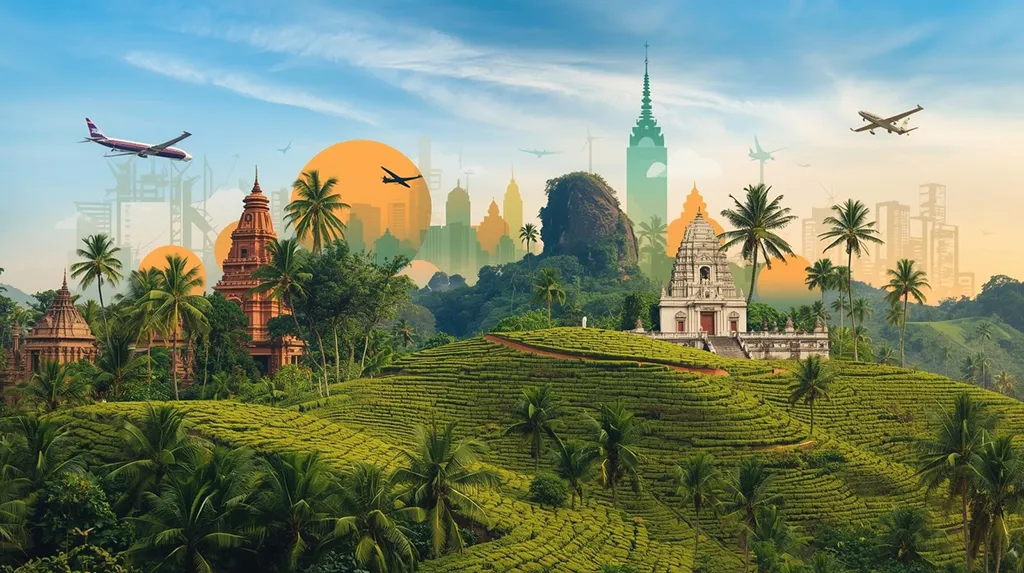
Sri Lanka is a beautiful island full of mountains, forests, and Buddhist temples. Its landscape features ancient temples in lush jungles, rolling tea plantations in misty hills, and golden beaches by clear blue waters. The rich culture and warm hospitality attract many visitors. However, some people worry about the monsoon season.
Many think the monsoon means constant rain, which can ruin a vacation. In Sri Lanka, that’s not true—the monsoon changes where you should visit. One side of the island may be wet, while the other enjoys sunshine. This guide will help you navigate Sri Lanka’s two monsoon patterns. You can find sunny spots year-round and enjoy a great adventure! We’ll cover the best places to visit, the best times to go, and what to pack. For official travel updates and seasonal insights, visit the Sri Lanka Tourism website before planning your trip during the Sri Lanka monsoon season.
Understanding the Sri Lanka Monsoon Season Patterns
Sri Lanka has two monsoon seasons, each affecting different parts of the island. This is the key to year-round travel. When one coast gets rain, the other usually stays clear and sunny, making it a great beach getaway.
The Southwest Monsoon (Yala)
The southwest monsoon, known as Yala, brings rain to the south and west coasts and hill country. You can check updated rainfall forecasts and storm warnings on the Department of Meteorology Sri Lanka website.
- When it happens: This monsoon usually occurs from May to September.
- Regions affected: The hardest-hit regions are popular tourist spots like Galle, Mirissa, Unawatuna, Bentota, and the capital, Colombo. The hill country areas, such as Kandy, Nuwara Eliya, and Ella, also get a lot of rain.
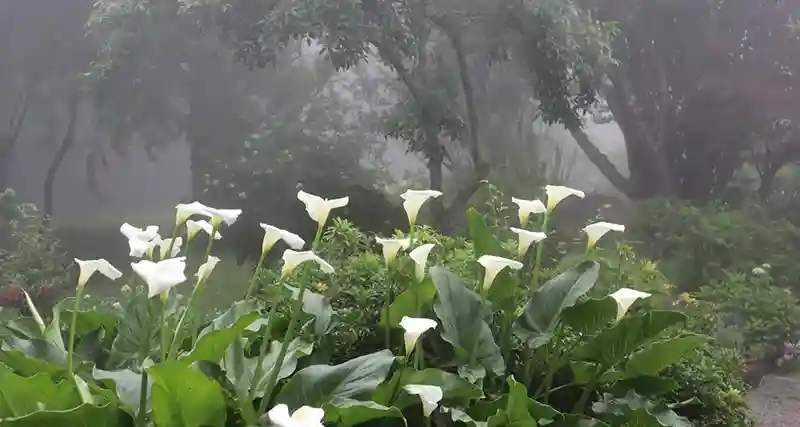
- What to expect: You’ll see short but heavy rain showers, mainly in the afternoon, along with cloudy skies and rough seas. The air will feel humid, and the forests will look even more vibrant and green. Although beach activities might be limited due to strong currents, the rains can create a magical atmosphere, turning the hills into a misty wonderland with beautiful tea estates.
The Northeast Monsoon (Maha)
The Maha season, or northeast monsoon, is usually milder than the Yala season. It brings rain to the north and east of Sri Lanka.
- When it occurs: The Maha season typically runs from October to January.
- Regions affected: The hardest-hit areas are mainly in the north and on the east coast. Important cultural sites like Anuradhapura and beach towns such as Trincomalee, Arugam Bay, and Passikudah are affected.
- What to expect: Rainfall during the Maha season is usually lighter and more scattered. The East Coast can see rough seas, making swimming and surfing less enjoyable. However, this season fills the ancient reservoirs around the Cultural Triangle, creating beautiful views against the backdrop of ancient ruins.
Best Regions During Sri Lanka Monsoon Season
Knowing which parts of the island are dry is key to a great trip to Sri Lanka. Here’s a simple guide on where to go and when.
Visiting from May to September (Southwest Monsoon)
During these wet months, head to the north and east coast. They’re in their peak dry season with sunny weather, calm waters, and beautiful beaches.
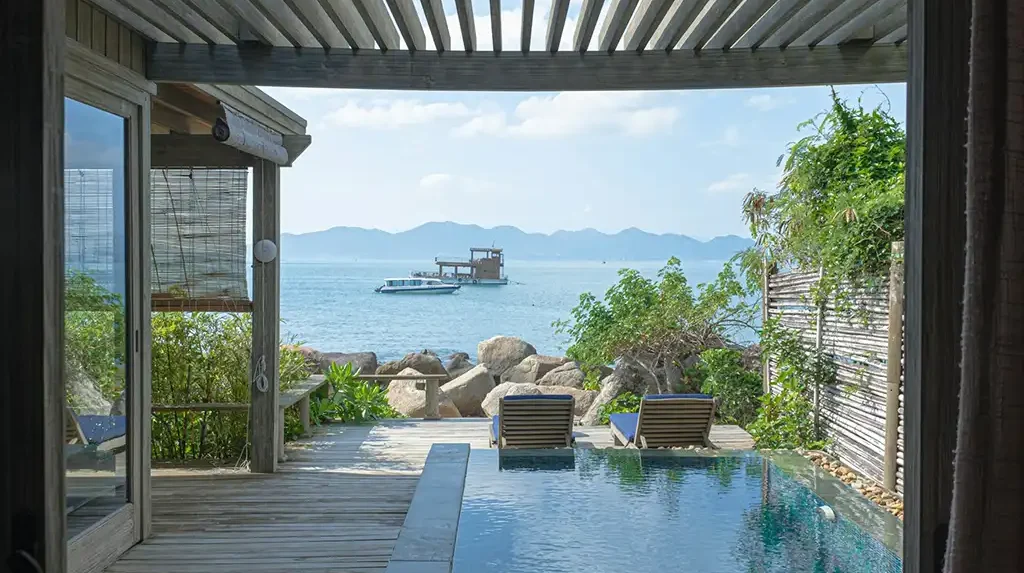
- Trincomalee & Passikudah: Enjoy sunbathing, swimming, and snorkeling in these eastern beach towns. The waters are clear and still, perfect for boat trips to Pigeon Island National Park, known for excellent snorkeling.
- Arugam Bay: While the main monsoon hits the southwest, this southeast coast spot is a surfing paradise from May to September. It draws surfers with its reliable waves and relaxed atmosphere.
- The Cultural Triangle: Visit the ancient cities of Anuradhapura, Polonnaruwa, and Sigiriya during this time. The weather is mostly dry, making it comfortable to climb Sigiriya Rock and bike around Polonnaruwa. The rain in other areas makes the landscape lush and green.
Visiting from October to January (Northeast Monsoon)
With the northeast monsoon approaching, it’s time to explore the south and west coasts, where the weather is dry and sunny.
- Galle, Mirissa, & Unawatuna: The south beaches are wonderful right now. The sea is calm and clear, ideal for swimming and whale watching (the best time for whale watching in Mirissa is from November to April). You can visit the charming Galle Fort, relax on the beach, or enjoy a busy beach bar.
- The Hill Country (with caution): The tail end of the Maha monsoon can still bring rain to the hills in October and November, but the weather often improves by December. A visit to Kandy, Ella, or Nuwara Eliya can be magical with cool air and stunning green views. Just remember to pack an umbrella.
- Colombo & the West Coast: The capital and nearby beach towns like Negombo and Bentota are also great destinations. This is a good time for sightseeing, shopping, and coastal activities without the heavy rains of the Yala monsoon.
Top Activities to Enjoy During the Rainy Season
Even during the rainy season, there are plenty of activities to enjoy. The rain can make some places more beautiful and alive.
Surfing in Arugam Bay
If you love surfing, visit Sri Lanka from May to September. During this time, Arugam Bay on the southeast coast has great waves and a lively surf culture. The main break here is perfect for experienced surfers. At the same time, spots like Peanut Farm and Whiskey Point offer gentler waves for beginners. The area is full of surf schools, yoga studios, and beach cafes.

Exploring the Misty Tea Trails
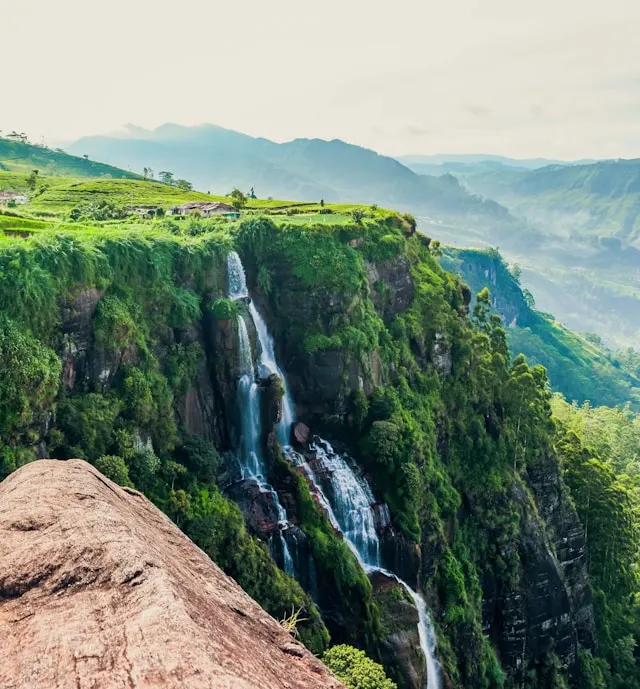
The hill country is stunning during the rainy season, with beautiful tea plantations. The rain and mist give this area a magical feel. Take the classic train ride from Kandy to Ella, where you’ll see the mist flowing over green hills and waterfalls. It’s an excellent place for photography. You can also tour a tea factory to see how Ceylon tea is made and enjoy a hot cup while the rain falls outside. Nuwara Eliya, known as “Little England,” transforms into a cozy spot with cool, cloudy weather.
Discovering Culture Away from the Crowds
The rainy season means fewer tourists in many areas. You can visit cultural sites like Polonnaruwa or the Dambulla Cave Temple with fewer people around. Light rain can create a peaceful atmosphere. You might also find better deals on hotels and tours.
Packing and Safety Tips for Monsoon Travel
Being prepared can make your trip more comfortable and safe.
What to Pack
- Waterproof Gear: A lightweight, breathable rain jacket is a must. An umbrella is also useful for short downpours.
- Quick-Dry Clothing: Pack clothes made from materials that dry quickly, like synthetics or merino wool. Avoid heavy cotton, which takes a long time to dry in the humidity.
- Waterproof Bag/Cover: A dry bag or a waterproof cover for your backpack is essential to protect your electronics and important documents.
- Appropriate Footwear: Bring waterproof sandals or flip-flops for walking around in the rain. A pair of sturdy, waterproof walking shoes is also a good idea if you plan on hiking.
- Insect Repellent: Mosquitoes are more prevalent during the rainy season. Pack a good insect repellent containing DEET.
- Leech Socks: If you plan on trekking in the hill country (like Horton Plains or Sinharaja Rainforest), leech socks are highly recommended.
Safety Considerations
- Check Road Conditions: Heavy rain can cause landslides and flooding, especially in the hills. Check local road conditions before traveling and consider hiring a local driver.
- Be Cautious with Swimming: Be careful when swimming. Sea conditions can be rough during the monsoon. Avoid swimming at beaches with red flags and follow local warnings.
- Stay Informed: Keep an eye on the weather. Use local news sources or weather apps for updated information. Your hotel or guesthouse owner can also provide helpful advice.
Navigating the Island: Best Transport Options
Traveling around Sri Lanka can be an adventure. Choose your transport wisely during the monsoon.
- Private Driver: Renting a car with a private driver is one of the easiest and safest ways to travel, especially during the rainy season. A local driver knows the area and the weather.
- Trains: The railway, particularly the scenic line through the hills, is a great travel option. Trains usually run on time, even in the rain, but can occasionally be delayed. Be sure to book your tickets in advance for popular routes.
- Buses: Buses are the most common and inexpensive way to get around, but they can be crowded and uncomfortable during long trips in wet weather.
- Tuk-tuks: For short distances in town, hire a tuk-tuk. Just remember to agree on the price before starting your trip.
Frequently Asked Questions
What is the best time to visit Sri Lanka to avoid rain?
March, April, and October are often good months to visit because the weather is pleasant across the island. During the primary monsoon season, you can dodge the rain by visiting the East Coast from May to September.
Is it safe to travel in Sri Lanka during the monsoon?
Yes, it is generally safe. The main risks are flash floods and landslides in hilly areas. Stay updated on the weather, travel with experienced drivers, and avoid swimming in rough seas.
Can I still go whale watching during the monsoon season?
Yes, you can. Whale-watching season on the south coast (Mirissa) is from November to April, when it is dry. On the east coast (Trincomalee), you can also go whale-watching from May to September during the southwest monsoon, where you may see blue whales and dolphins.
Are prices lower during the monsoon season?
Yes, flights and accommodation are cheaper during the monsoon because it is the low season. This can be a good way to travel on a budget.
Your Sri Lankan Adventure Awaits
Sri Lanka offers unique experiences year-round. Instead of avoiding the monsoon, learn its schedule to enjoy both sunny beaches and cool, misty highlands. With some flexibility and the correct information, visiting during the monsoon can be even more beautiful than you expect. This amazing country is definitely worth visiting.