Indian Etiquette Guide for South Asia Tourists
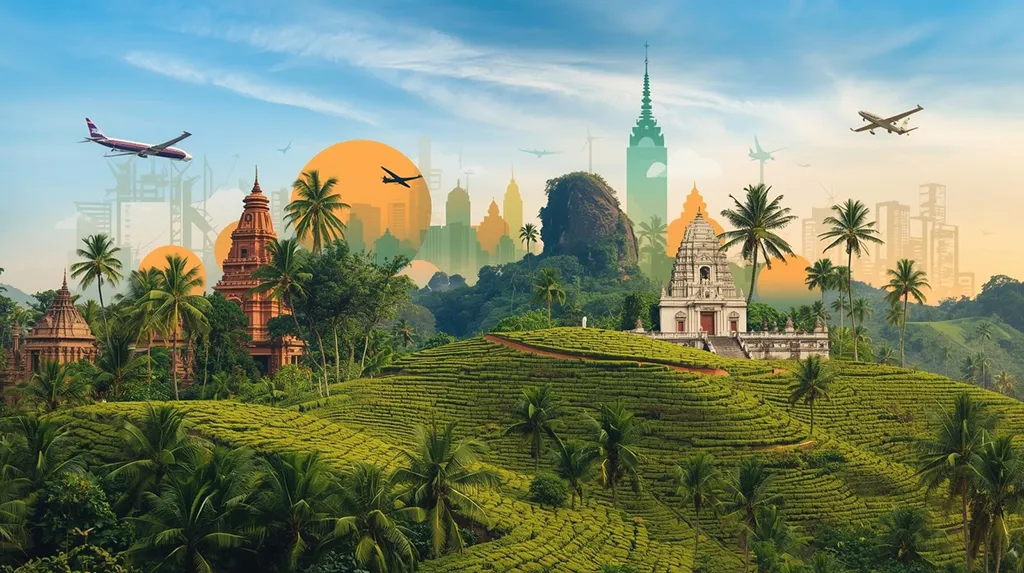
South Asia—a region comprising nations like India, Nepal, Sri Lanka, Pakistan, Bangladesh, Bhutan, and the Maldives—is a tapestry of intense sensory experiences. It is a place where ancient traditions breathe alongside modern development, where spirituality is woven into the fabric of daily life, and where hospitality is often overwhelming in its generosity. For many travelers, a trip here is transformative.
However, the very density of culture and history that makes this region so alluring also creates a complex web of social norms and boundaries. Navigating these requires more than just a guidebook; it requires a mindset of observation and respect. Stepping over a line here doesn’t just result in an awkward glance; it can cause genuine offense, legal trouble, or safety risks.
This guide isn’t about fear-mongering or discouraging you from visiting—quite the opposite. By understanding what not to do, you free yourself to connect more deeply with the local culture. When you aren’t worrying about accidentally insulting a host or breaking a law, you can focus on the incredible food, the stunning landscapes, and the warmth of the people. Here is a comprehensive look at the boundaries you should respect to ensure your South Asian adventure is memorable for all the right reasons.
Why Boundaries Matter in South Asia
To the Western eye, the chaotic streets of Delhi or the bustling markets of Dhaka might look rule-free. Traffic seems fluid, personal space feels nonexistent, and noise levels are high. It is a common mistake to assume that because the environment feels unstructured, the social rules are also loose. This is far from the truth.
South Asian societies are deeply structured, often hierarchical, and heavily influenced by religious and communal values. “Face”—or public dignity—is crucial. Elders command automatic respect. Religious sites are not just tourist attractions; they are active places of worship where sanctity must be maintained.
Boundaries here act as protective layers for the community. They preserve modesty, maintain social order, and uphold religious purity. As a guest, your role is to move through these spaces without disrupting the ecosystem. When a traveler ignores these boundaries—whether by dressing inappropriately at a temple or disregarding local laws—it reinforces negative stereotypes about tourists and creates friction between locals and visitors. Respecting these limits is the ultimate form of travel etiquette.
Indian Etiquette and Religious Customs Tourists Must Respect
Cultural friction often happens in the small details. These are the “unspoken rules” that locals grow up with, but visitors might miss entirely.
Don't Disrespect Religious Sites
Religion is the heartbeat of South Asia. Whether you are visiting a Hindu temple in Tamil Nadu, a Buddhist stupa in Kathmandu, or a mosque in Lahore, specific rules apply.
- Shoes: Never wear shoes inside a place of worship. This rule is absolute. In many places, this extends to private homes and even some shops. Look for the pile of footwear at the entrance.
- Dress: Shoulders and knees must be covered. This applies to all genders but is strictly enforced for women. Carrying a lightweight scarf is a practical habit; it can be used to cover your head in mosques or Gurudwaras (Sikh temples) and wrap around your waist if you are wearing shorts.
- Photos: Don’t treat prayer as a spectacle. Never take photos of the deity inside the inner sanctum of a Hindu temple unless explicitly told it is allowed. Avoid taking selfies with your back turned to a Buddha statue, as turning your back on the deity is considered disrespectful.
Don't Use Your Left Hand for Eating or Giving
In many parts of South Asia, the left hand is traditionally associated with personal hygiene (specifically, cleaning oneself after using the restroom). Therefore, using it for “clean” activities is a major taboo.
- Dining: When eating with your hands—which you should definitely try—use only your right hand to mix curry and rice or tear roti. You can use your left hand to hold a cup or plate, but never to put food into your mouth.
- Interactions: When handing over money, a credit card, or a gift, use your right hand. Using the left, or even tossing money onto a counter, can be seen as an insult.
Don't Show Public Affection (PDA)
Romance in South Asia is generally a private affair. While you might see men holding hands as a sign of friendship, romantic affection between couples is rarely displayed openly. Kissing or heavy public hugging will draw stares and make locals uncomfortable. In more conservative areas, it can even attract police attention. Keep your affection for your hotel room.
Don't Point with Your Feet
The head is considered the most sacred part of the body, and the feet are the lowest and “dirtiest.” Pointing your feet at a person, a religious shrine, or a monk is deeply offensive.
- Sitting: If you are sitting on the floor at a temple or in a home, tuck your legs underneath you or sit cross-legged. Do not stretch your legs out so the soles of your feet face anyone.
- Accidents: If you accidentally step on someone, apologize immediately. A familiar gesture of apology involves touching your chest or chin after accidental contact.
Legal Mistakes: Safety and Compliance
Beyond social awkwardness, there are specific behaviors that can land you on the wrong side of the law. South Asian legal systems can be slow and bureaucratic; avoiding involvement is your best strategy.
Don't Photograph Government or Military Sites
Geopolitical tensions exist in various pockets of South Asia. Borders, airports, bridges, dams, and military installations are sensitive zones.
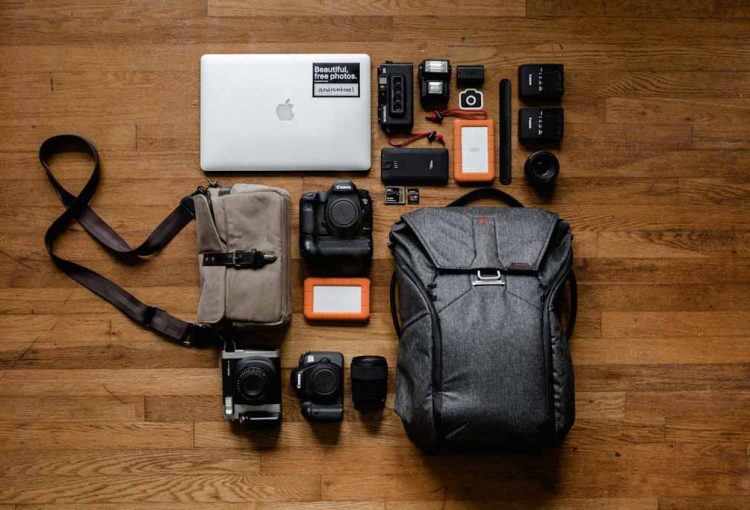
- The Rule: If you see a sign that says “No Photography,” obey it strictly. Even if there is no sign, if you see soldiers or military equipment, keep your camera in your bag.
- Consequences: Travelers have been detained and had their equipment confiscated for taking “innocent” photos of infrastructure deemed strategic by the government.
Don't Consume Drugs
The hippie trail of the 1970s created a lingering myth that South Asia is a haven for consequence-free drug use. Today, reality is very different.
- Penalties: Penalties for possession of narcotics (including marijuana) can be severe, ranging from heavy fines and deportation to lengthy prison sentences. Conditions in local jails are notoriously tricky.
- The “Bhang” Exception: In India, during festivals like Holi, an edible cannabis preparation called “Bhang” is culturally accepted. However, consuming it as a tourist can leave you vulnerable to scams or theft while intoxicated. It is generally safer to avoid it.
Don't Drink Alcohol on the Street
Alcohol laws vary wildly across the region.
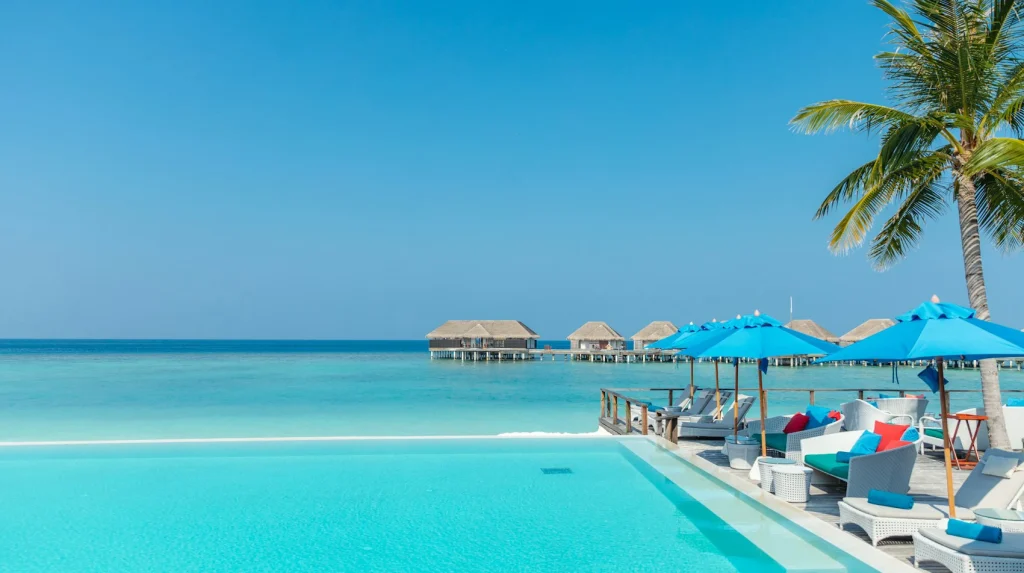
- Prohibition: In Pakistan and parts of India (like Gujarat, Bihar, and Mizoram), alcohol is prohibited or strictly regulated. In the Maldives, alcohol is illegal on inhabited local islands and is only available on private resort islands.
- Public Consumption: Even where alcohol is legal, drinking on the street is almost universally frowned upon and often illegal. It signals “rowdy” behavior. Stick to licensed bars, restaurants, or your hotel.
Don't Overstay Your Visa
“Island time” or a relaxed pace of life does not apply to immigration officials.
- Strict Enforcement: Do not assume you can pay a small fine at the airport for overstaying your visa by a few days. You could be detained, blocked from re-entering, or forced to navigate a complex bureaucratic process to get an exit permit.
- Restricted Areas: Certain regions (such as parts of Kashmir, the Northeast, or tribal areas in Pakistan) require special permits (Protected Area Permits). Entering these zones without the correct paperwork is a legal offense.
Indian Etiquette in Social Behavior and Public Interaction
How you interact with people and money defines your footprint as a traveler. These boundaries help maintain a healthy relationship between tourists and the local economy.
Don't Haggle Aggressively Over Pennies
Bargaining is a sport in South Asian markets. It is expected for tuk-tuks, souvenirs, and unpriced clothing. However, keep perspective.
- The Context: You are likely arguing over an amount that is negligible to you but significant to the vendor. Haggle to get a fair price, not to crush the seller. If the difference is 50 cents, let it go. Aggressive, angry bargaining is considered distinctively classless.
Don't Encourage Begging (Especially Children)
Poverty is visible in many South Asian cities. It is heartbreaking to see children begging, often asking for “school pens,” candy, or money.
- The Reality: Giving money or goods to begging children often keeps them out of school. In some cases, organized gangs exploit these children, collecting their earnings at the end of the day.
- The Alternative: If you want to help, donate to reputable local NGOs or charities that work on systemic issues like education and healthcare. This ensures your contribution actually aids the community rather than perpetuating a cycle of dependency.
Don't Photograph People Without Consent
The region is photogenic, and the people are often stunningly dressed. But they are people, not exhibits.
- Ask First: Shoving a lens in someone’s face is aggressive. A simple smile, a gesture to your camera, and asking “Photo?” usually works. If they say no or look away, respect that boundary immediately.
- Privacy: Be especially careful photographing women in rural or conservative areas. It can cause them social embarrassment.
Don't Lose Your Temper
In South Asia, losing your temper is synonymous with “losing face.”
- The Reaction: Shouting, getting red in the face, or aggressively pointing fingers will not get things done faster. In fact, it often causes the person you are shouting at to shut down entirely or smile nervously (a reaction to embarrassment, not amusement).
- The Solution: Patience is your most valuable currency. If a train is late, a hotel room isn’t ready, or an order is wrong, take a deep breath. A firm but calm persistence will yield much better results than a public meltdown.
Navigating the "Guest" Role
There is a concept in India, “Atithi Devo Bhava,” which means “The guest is equivalent to God.” You will likely experience profound kindness—strangers inviting you for tea, people going out of their way to give directions, and families sharing their food.
The boundaries listed above are not meant to build a wall between you and this hospitality. They are intended to help you receive it graciously. When you dress modestly, you show respect for their values. When you eat with your right hand, you show that you are willing to learn their ways. When you stay calm in chaos, you show you appreciate their pace of life.
South Asia is an adventure that requires you to surrender some of your usual comforts and habits. By observing these boundaries, you ensure your presence is positive, leaving behind good memories for you and the people you meet.
Ready to Plan Your South Asian Adventure?
Understanding the cultural landscape is the first step toward a successful trip. If you are ready to explore the vibrant streets of Mumbai, the serene beaches of Sri Lanka, or the mountain trails of Nepal, proper planning is essential.
Check out our Comprehensive South Asia Travel Planner to start building an itinerary that respects local culture while maximizing your experience.