
India Nepal Border Crossing Guide: Routes, Visas & Tips
Travelling from India to Nepal and Bhutan by road offers beautiful views of the Himalayas, historic temples, and lively cultures, even with travel restrictions in place. While flying might be faster and easier for many, travelling overland offers a deeper, more engaging experience. You’ll notice how the scenery changes, meet locals along the way, and save a lot of money.
If you are an experienced backpacker or considering your first trip to South Asia, overland travel between these three countries is easier than it looks. With some careful planning, you can handle border crossings, book cheap transportation, and create memories as special as the places you visit.
This guide has everything you need to plan your trip, including visa information, border crossing tips, affordable transport options, safety advice for challenging areas, and a sample itinerary to help you prepare. Are you ready to explore the roof of the world? Let’s begin!
For official entry requirements related to india nepal border crossing, travelers should review updates from the Bureau of Immigration India.
Cross-Border Overview & Visa Essentials
Know the visa requirements before you travel. Each country has its own entry rules. Some countries let you get a visa upon arrival, while others require you to plan.
India
Most travellers need a visa to enter India. Many can apply for an E-visa online. This process usually takes 3-5 business days, so it’s best to apply at least a week before travelling. Indian visas allow multiple entries, which is convenient for those who want to visit other countries.
Nepal
You can get a visa on arrival at all entry points in Nepal, except for India and China. You will need a passport photo and cash in US dollars. The fees are straightforward: $30 for 15 days, $50 for one month, and $125 for 90 days. You can also apply for your Nepali visa online before you arrive, which can save time at the border.
Visa-on-arrival details for india nepal border crossing are published by the Department of Immigration Nepal.
Bhutan
Bhutan has unique entry requirements. All visitors, except those with Indian, Bangladeshi, or Maldivian passports, must book through a licensed Bhutanese tour operator. You must spend at least $200 per day in Bhutan. This includes a $100 Sustainable Development Fee and additional costs based on the season of your visit. This amount covers your stay, meals, transportation, and a guide. Indian nationals can enter Bhutan without a visa by showing a valid passport or voter ID card with a photo. They can also enter Bhutan by road from India.
No visa is required for Indians visiting Nepal from India, as the two countries have an open border.
Bus, Train Routes & Entry Points
Choosing the proper border crossing for your drive can make or break your self-drive journey. Here are the main entry points and some transportation options for each route.
India Nepal Border Crossing
Sunauli-Bhairahawa Border: This is the easiest border for those going to Lumbini (the birthplace of Buddha) or continuing to Pokhara and Kathmandu. Buses run between Varanasi (India) and Kathmandu through this border. The journey takes about 12-14 hours and costs between $10 and $15.
Raxaul-Birgunj Border: This border is convenient for travellers coming from eastern India or Kolkata. You can take a bus from Birgunj to Kathmandu that takes about 6 hours.
Kakarbhitta Border: Located in the east, this border connects India’s Siliguri to Nepal. It is ideal for those travelling to eastern Nepal or for those coming from Darjeeling or Sikkim.
India to Bhutan
Phuentsholing: This is the main entry point for travellers from India into Bhutan. Phuentsholing is near the Indian border town of Jaigaon and connects to Siliguri. Shared taxis and buses take 4 to 5 hours from Siliguri and cost between $5 and $10. Once in Bhutan, you must check in and get an entry permit, which your tour operator will arrange.
Samdrup Jongkhar: This entry point is less common and offers a quieter experience of Bhutan’s culture and countryside. You can reach it from Assam, India.
Nepal to Bhutan
There is no direct land route from Nepal to Bhutan. You need to go through India. The typical route is to travel overland from Nepal to the Indian border, then enter India (usually at Kakarbhitta and continue to Siliguri), and finally arrive at Phuentsholing or Samdrup Jongkhar.
Budget-Friendly Transport Options
Travelling between countries without spending too much is possible. Here are some affordable options:
Local Buses
Local buses are the cheapest way to travel. They connect major cities and border towns in India and Nepal. Expect basic facilities, regular stops, and cramped seating. A ticket can cost as little as $2 to $5 for long distances. For $5 to $10, you can take a private bus that offers a bit more comfort.
Shared Taxis & Jeeps
Shared taxis and jeeps are common near border areas. They are faster than buses and are affordable when shared with others. For example, a shared taxi from Kakarbhitta to Siliguri costs about $3 to $5 per person.
Night Buses
Night buses save both time and accommodation costs. Some routes, like Varanasi to Kathmandu or Siliguri to Kolkata, offer sleeper coaches with bunks. Prices range from $10 to $20, depending on the operator and comfort level.
Trains in India
India has an extensive train network that connects major cities near the borders with Nepal and Bhutan. If you book early on the Indian Railways website, sleeper class tickets can cost under $5. Popular routes include Delhi to Gorakhpur (for Sunauli border) and Kolkata to New Jalpaiguri (for Siliguri).
Hiring Private Vehicles
If you travel with friends or a small group, hiring a private car or taxi can be cost-effective and convenient. Prices vary by route, but you should budget $50 to $100 a day for a car and driver. This option allows for stops at beautiful places along the way.
Border Safety & Travel Hacks
When travelling across borders by land, pay attention to your surroundings to stay safe and make the process smoother. Here are some helpful tips:
Keep Documents Organized
Make photocopies of your passport, visa, and other essential documents. Also, save digital copies in your email or cloud storage. Border officials may ask for these documents multiple times, so having them ready speeds up the process.
Carry Sufficient Cash
ATMs can be hard to find at border crossings. Bring enough cash in USD, INR, or local currency for visa fees, transport, and meals for the first day or two. Currency exchange rates at border money changers are often poor, so change cash in larger cities.
Avoid Touts & Unofficial Agents
Touts often work near borders, offering help with paperwork, transport, or lodging. Most of these offers are unnecessary and come with high prices. Stick to official counters and use pre-booked transport when possible.
Travel During Daylight
Cross the border during daylight hours as it’s easier. Try to arrive by late morning to complete formalities with time to spare. Some border posts have limited hours, so check schedules in advance.
Watch Your Belongings
Never let your bags out of sight, especially in crowded areas like buses and border crossings. Lock your backpack and keep valuable items like passports and cash in a money belt or neck pouch.
Stay Informed About Current Conditions
Border procedures can change due to politics, weather, or health issues. Check traveller forums, embassy websites, or ask your accommodations for updates before crossing.
Download Offline Maps
Internet service can be unreliable near borders and in remote areas. Download offline maps on Google Maps or Maps.me before you leave so you can navigate without using data.
Sample 7-Day Land Route Plan
Here is a simple week-long land-based travel plan across India, Nepal, and Bhutan. You can adjust it to fit your interests and pace.
Day 1: Arrive in Varanasi, India
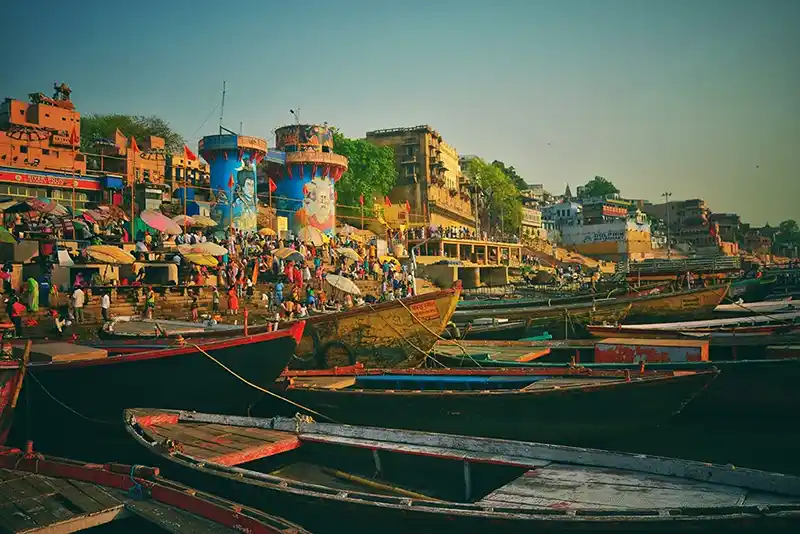
Arrived in Varanasi, one of India’s holiest cities. Spend a few days exploring the ghats along the Ganges River, visiting temples, and soaking up the spiritual atmosphere. In the evening, take an overnight bus to the Sunauli border.
Day 2: Cross into Nepal via Sunauli, Travel to Lumbini
In the morning, catch the bus to the Sunauli border. Complete the immigration process and get your Nepal visa if needed. Then, take a short bus or taxi ride to Lumbini, the birthplace of Buddha. Spend the afternoon exploring the sacred garden, monasteries, and Mayadevi Temple. Stay overnight in Lumbini.
Day 3: Lumbini to Pokhara
Take a morning bus from Lumbini to Pokhara (6-7 hours). Pokhara is the adventure capital of Nepal, known for its beautiful lake and proximity to the Annapurna mountain range. Check into your hotel and visit Phewa Lake in the evening.

Day 4: Explore Pokhara
Spend the day in Pokhara. Try paragliding, visit the World Peace Pagoda, or take a boat ride on Phewa Lake. For adventure seekers, you can hike to Sarangkot for panoramic views of the Himalayas at sunrise.
Day 5: Pokhara to Kathmandu
Take a tourist bus from Pokhara to Kathmandu (6-7 hours). Arrive in Nepal’s lively capital and check into your hotel. In the evening, take a stroll through Thamel, a busy area filled with shops, restaurants, and cafes.
Day 6: Kathmandu to Siliguri, India
For a quiet and grand experience, visit an old hill station. Take an early morning bus from Kathmandu to the Sunauli border and then continue to Gorakhpur, India. From Gorakhpur, catch a bus or train to Siliguri (10-12 hours total). Siliguri is a gateway for travellers going to Darjeeling and Bhutan. Stay overnight in Siliguri.
Day 7: Siliguri to Phuentsholing, Bhutan
Take a shared taxi or bus from Siliguri to Phuentsholing, the border town of Bhutan (4-5 hours). If you have organized your Bhutan tour and received your entry permit, you can enter Bhutan and explore. Visit the Zangto Pelri Lhakhang temple and walk around town. If you have more time, your tour company can take you to other cities in Bhutan, like Thimphu or Paro.
This trip combines culture, nature, and adventure. You can add rest days or skip stops that do not interest you.
Best Time to Visit
When you choose to visit, it can significantly affect your experience. Each season offers peace and solitude, but some are better for travelling on land.
October to November (Autumn)
This is the best time to explore India, Nepal, and Bhutan. The weather is superb, the skies are clear, and the rainy season has ended. You can enjoy stunning mountain views, comfortable temperatures, and lively festivals like Diwali in India and Dashain in Nepal.
March to May (Spring)
In Nepal and Bhutan, spring brings blooming rhododendrons and pleasant temperatures, making it an excellent time for trekking. However, India’s lowland areas can get quite hot. Since this is a busy travel season, make sure to book your accommodation in advance.
December to February (Winter)
Winter can be very cold at higher elevations. However, the south, including Lumbini, Varanasi, and Phuentsholing, remains pleasant. If you can handle the cold and crowds, winter travel can be cheaper.
June to September (Monsoon)
The monsoon season brings heavy rains, especially in Nepal and Bhutan. Roads may become slippery or blocked due to landslides, making travel risky. If you dislike rain and are concerned about delays, you should avoid visiting during this time.
Where to Stay
You can find many budget options in India, Nepal, and Bhutan. Here’s what you need to know for each country.
India
In big cities and near border towns, there are many hostels, guesthouses, and budget hotels. Basic rooms usually cost $10 to $20 a night. You can find good options on websites like Hostelworld and Booking.com, which include reviews.
Nepal
The backpacker scene is strong in Nepal. In Kathmandu and Pokhara, hostels charge about $5 to $10 per night. Mid-range hotels with private rooms cost around $15 to $30. You can also find affordable guesthouses near major sites in Lumbini.
Bhutan
In Bhutan, you have to book through a tour operator, and accommodations are usually part of your package. You can choose from basic guesthouses to luxury resorts. Independent travellers from India can find budget options in Phuentsholing for $20 to $40 a night.
Travel Tips for First-Time Visitors
Are you travelling to South Asia for the first time? Keep these tips in mind.
Pack Light but Smart
Use a multi-use backpack for essentials: layers for different weather, a waterproof jacket, comfortable shoes, a reusable water bottle, and basic first-aid supplies. Don’t bring too much; laundry is cheap and available everywhere.
Learn Basic Phrases
Even though many people speak English in tourist areas, learning a few words in Hindi, Nepali, and Dzongkha (Bhutanese) can help you connect with locals. Simple greetings and polite words can lead to smiles and help with directions.
Respect Local Customs
Dress modestly, especially when visiting religious sites. Always take off your shoes before entering temples and ask before taking people’s pictures. Understanding local customs shows respect and enhances your experience.
Stay Hydrated & Eat Wisely
Street food can be delicious, but it might upset sensitive stomachs. Stick to freshly cooked meals and bottled water. Bring oral rehydration salts and simple medications for stomach issues.
Get Travel Insurance
Travelling by land can be unpredictable. Buses can be late, and you might get sick or have an accident. Get a comprehensive travel insurance policy that covers medical emergencies and trip interruptions.
Connect with Fellow Travelers
You can meet other travellers in hostels, guesthouses, and bus stations. Share tips, split transport costs, and find a travel buddy for the next part of your journey.
Frequently Asked Questions
What documents do I need to cross the border?
You need a valid passport that is good for at least six months after your return date. Bring copies of all documents, visa approval letters (if available), and passport photos. Indian citizens need either a passport or a voter ID to enter Bhutan. Others must get a prepaid visa through an authorised tour operator.
Is it safe to travel by land in these regions?
Yes, it is safe to travel by land between India, Nepal, and Bhutan. Stick to main roads and avoid travelling at night, especially on remote routes. Keep your valuables secure and follow local advice.
How long does it take to travel between these countries by land?
Travel times depend on the route. Travelling from Varanasi to Kathmandu by bus takes about 12–14 hours. The distance from Siliguri to Phuentsholing takes around 4-5 hours. Allow extra time at the border, which can take one to three hours depending on the crowds.
What is the best currency to use?
Bring cash for visa-on-arrival fees in Nepal. In India, use Indian Rupees (INR). Nepal uses Nepali Rupees (NPR) and Bhutan uses Bhutanese Ngultrum (BTN), which is equal to INR. Indian Rupees are often accepted in the border areas of Bhutan and Nepal.
Are there ATMs available near the border?
Yes, you can find ATMs in major border towns like Sunauli, Siliguri, and Phuentsholing, but they may not always work. Bring enough cash for visa fees, transportation, and expenses for a day or two.
Can I get a SIM card for each country?
Yes, in India, you can buy SIM cards from Airtel or Jio (you need ID and a photo). In Nepal, Ncell and Nepal Telecom offer tourist SIMs. In Bhutan, Tashi Cell and B-Mobile provide prepaid options. It may take a couple of hours to activate, so plan accordingly.
How much does it cost to hire a private car or taxi for cross-border travel?
The cost to hire a private car varies based on the route and type of vehicle. Expect to pay between $50 and $100 per day for a car and driver. Short trips, such as Siliguri to Phuentsholing, may cost $30- $50. Agree on all prices in advance and check if tolls and fuel are included.
Ready to Explore the Himalayas?
Travelling overland through India, Nepal, and Bhutan offers a great mix of cultures, beautiful landscapes, and unforgettable experiences. With good planning, border crossings are easy, transportation is affordable, and each day will be a new adventure.
Whether you want to see stunning mountain views, seek spiritual growth, or experience something real, you can find it here. Pack your bags, book your tickets, and get ready to discover why overland travel in South Asia is so amazing! The Himalayas are calling — will you answer?


