Bhutan Travel Guide: Discover the Most Picturesque Villages
There is a kind of peace that photos can’t capture. You wake up and want to open your doors, but it’s so cloudy that you can barely see the building across the street. Flags flutter on the nearby hills, resembling Confederate infantry. This small Himalayan kingdom offers a true sense of peace and a rich culture that feels distant from our daily lives. For those seeking more than just a place to visit, Bhutan delivers a unique experience.
This guide will introduce you to the heart of Bhutan, including its beautiful villages. You will learn why this legendary Himalayan kingdom, known for its red rice and chillies that are more than just a spice, attracts visitors. We will explore lovely valleys and authentic cultural experiences. You will also find tips on how to plan your unforgettable journey. (Before planning your Bhutan travel, it’s essential to understand the latest Bhutan travel regulations and permits outlined by the official tourism authority.) So, are you ready to discover the Land of the Thunder Dragon?
Discover Bhutan’s Top Scenic Villages
Bhutan is a magical place, and some valleys are especially beautiful and prestigious. Haa, Paro, and Punakha are key stops to explore the heart of the kingdom.
Haa Valley: A Portrait of Untouched Bhutan
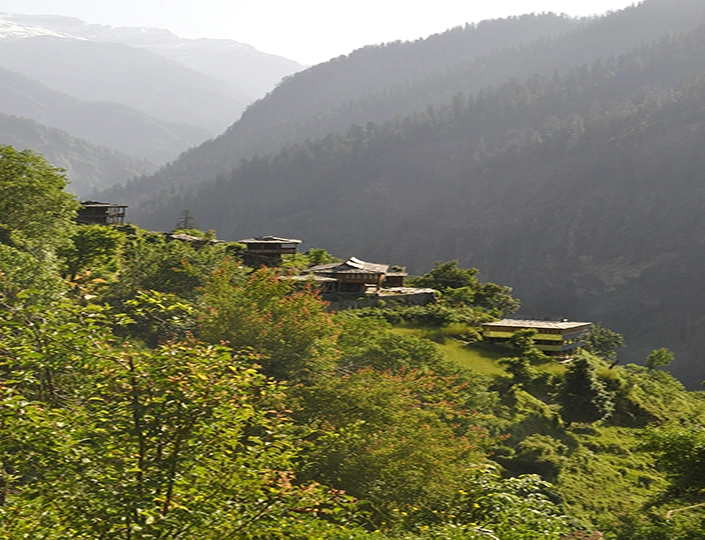
Haa Valley is one of Bhutan’s best-kept secrets, located in the western part of the country. This valley offers a classic introduction to Bhutan, where life has stayed unchanged for centuries. Here, you’ll find fields, forests, and quiet villages surrounded by the three sacred peaks of Rig Sum Goenpa.
To deepen your cultural experience, plan your visit during the Haa Summer Festival. This colorful festival showcases the unique culture of the Haaps, featuring traditional sports, nomadic customs, and energetic folk dances. It’s also a great time to try Hoentay, a traditional dumpling made with buckwheat flour and filled with turnip greens, cheese, and butter—a dish found only in this valley. Life in Haa is slower and encourages you to enjoy nature and connect with the local community.
Paro Valley: Where Icons and History Meet
Paro Valley is often the first and last stop for travelers in Bhutan, leaving lasting memories. The valley is home to the nation’s only international airport and features stunning landscapes and important landmarks. The Paro Chhu river flows through rice fields, and the valley is dotted with beautifully decorated farmhouses.
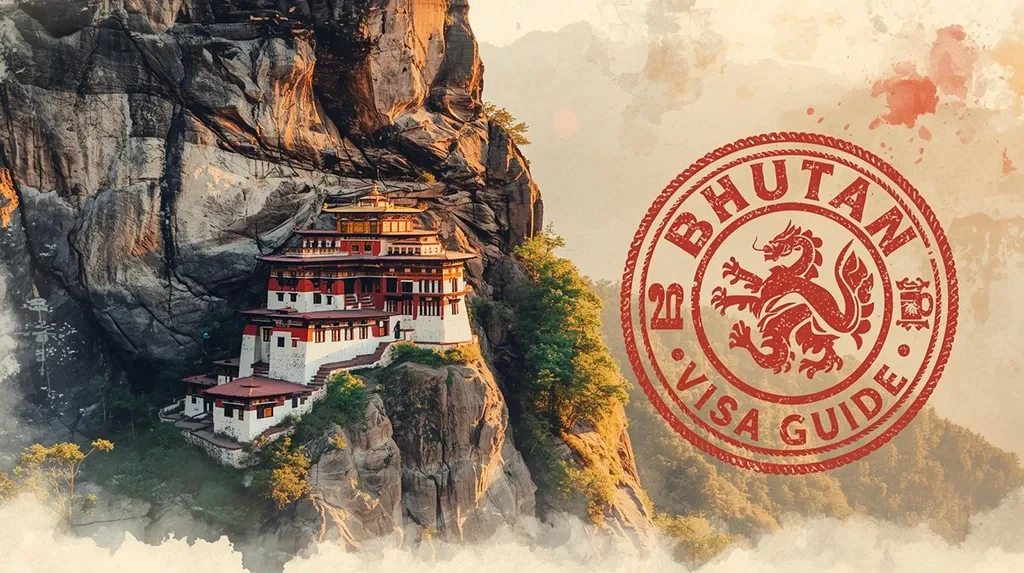
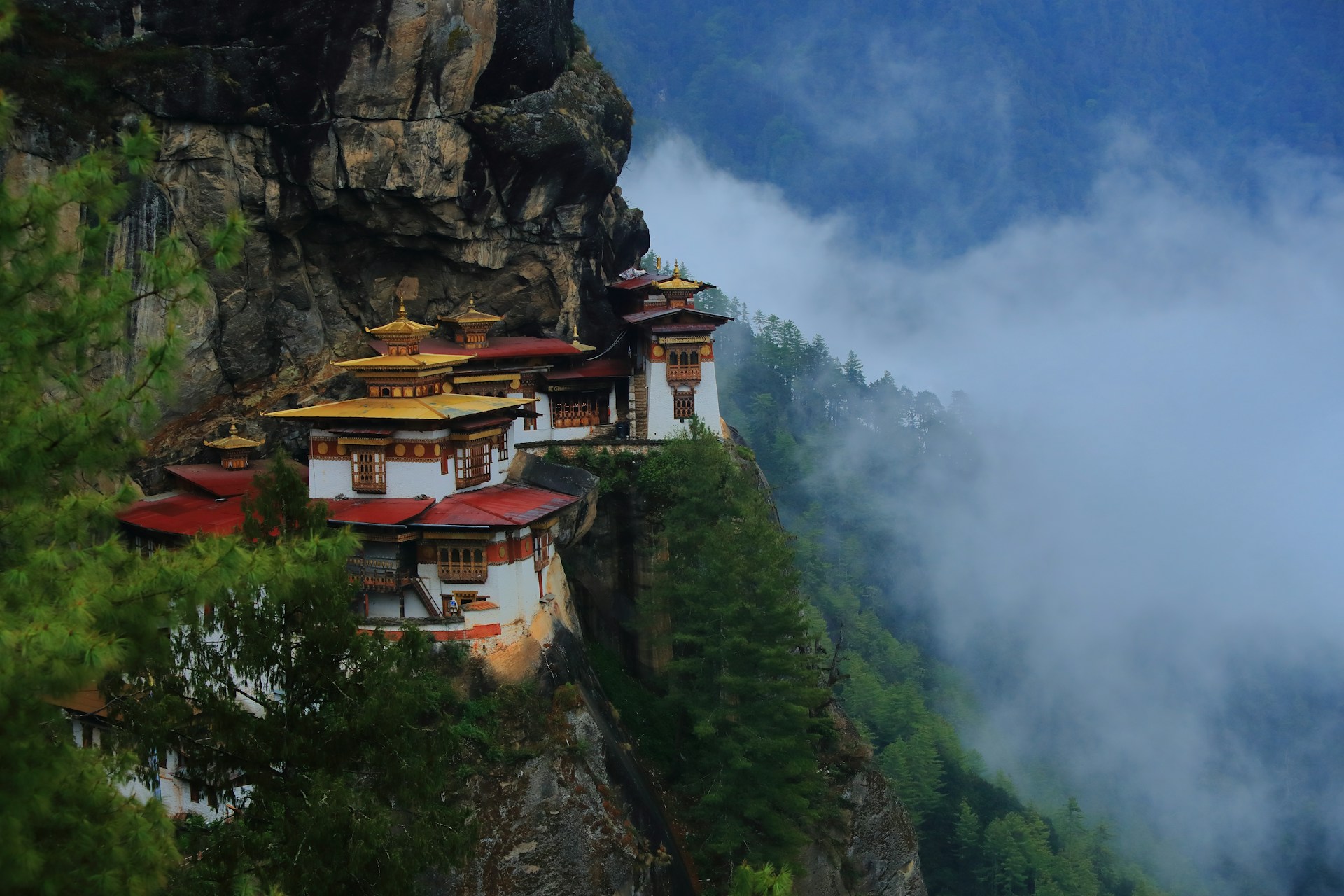
No visit to Bhutan is complete without a trip to Paro Taktsang, or Tiger’s Nest Monastery. This sacred site clings to a 900m cliff and offers both a physical challenge and a spiritual journey. Paro is also known for the Paro Tsechu, a religious festival with mask dances and rituals that attract people from across the country. History lovers can visit the stone ruins of Drukyel Dzong, which remind visitors of Bhutan’s defense against past invasions.

Punakha Valley: The Verdant Winter Capital
As you descend the Dochula Pass, Punakha Valley unfolds like a postcard—a green paradise with lush subtropical plants and well-tended rice terraces. This valley has a warmer climate and serves as the seat of government in winter.
Punakha is known for the beautiful Punakha Dzong, an impressive example of traditional architecture. It sits at the point where the male and female rivers meet, allowing for effective drainage. The fortress is also home to Bhutan’s most sacred treasures. A short drive away is Chimi Lhakhang, a holy temple dedicated to the “Divine Madman,” Drukpa Kunley, where many come to seek fertility blessings. Don’t forget to walk across the Punakha Suspension Bridge, one of the longest in Bhutan, for breathtaking views of the river and valley below.
The Heart of Hospitality: The Homestay Experience
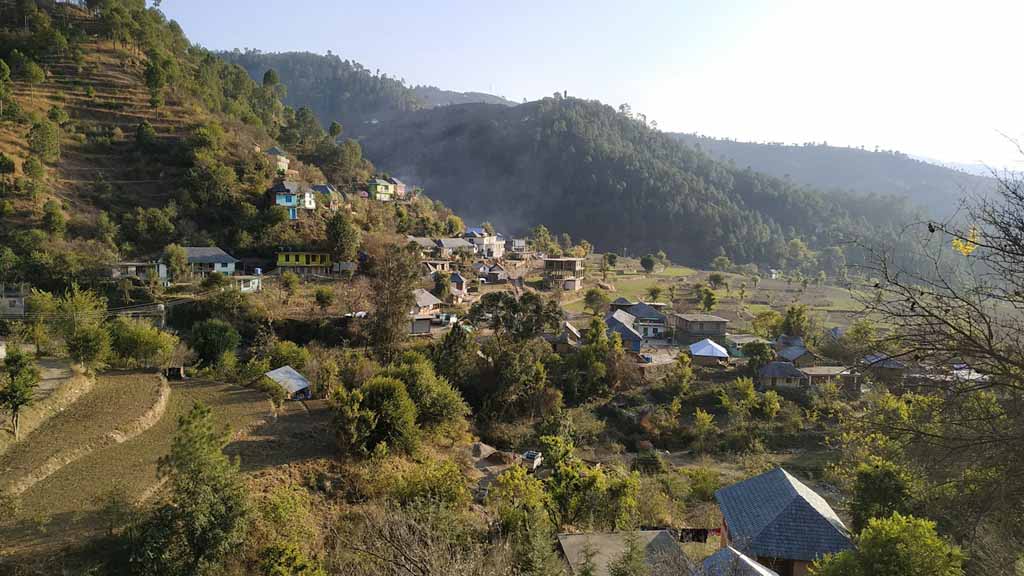
To visit Bhutan, you should experience its hospitality for yourself. A homestay is a great way to live with a local family and truly understand their way of life. It’s a warm and personal alternative to staying in a hotel.
When you choose a homestay, you become part of the family. You will enjoy real meals made from fresh ingredients grown on their farm. You might learn to cook traditional Bhutanese dishes, help with farming tasks, or try your hand at weaving. Many hosts will even lend you traditional clothes to wear, like a gho for men and a kira for women. These experiences help you connect with Bhutanese customs, values, and the idea of Gross National Happiness (GNH). Staying in a homestay also helps support local communities and promotes sustainable tourism.
A Celebration of Artistry: Local Crafts & Festivals
Bhutan’s unique culture is tied to its rich arts and colorful festivals. To understand Bhutan’s proud history, it’s essential to understand these customs.
Traditional Crafts (Zorig Chusum)
The thirteen traditional arts and crafts of Bhutan have been preserved over time. You can see these crafts everywhere as you travel.
- Weaving: Bhutanese fabrics are famous for their complex designs and bright colors. You can watch weavers at work on looms in many villages.
- Woodcarving: Look for beautiful wooden designs on monastery doors and other wooden items.
- Painting: Discover the meanings behind the deities and mandalas in traditional Thangka paintings.
- Paper Making: Visit a workshop to see how Deh-sho paper is made from the bark of the daphne plant.
- Bamboo Craft: Appreciate the skill in making items like baskets (bangchung) and arrows.
Unforgettable Festivals (Tshechus)
Festivals are at the heart of Bhutan’s community and spiritual life. These annual events take place in monasteries and fortresses across the country.
- Paro and Thimphu Tshechus: These are two of the largest festivals, featuring amazing masked dances (chams) that tell historical and religious stories.
- Punakha Dromchoe: This is a special festival that reenacts a 17th-century battle against the Tibetan army.
- Haa Summer Festival: This festival highlights the unique plants and animals of the valley, along with living traditions and culture.
- Jomolhari Mountain Festival:This two-day event at the foot of Mt. Jomolhari showcases high mountain culture.
Capturing the Moment: Photography & Cultural Etiquette
Bhutan is great for photography, but it’s important to be respectful. Follow these tips to get great photos while respecting local customs.
Photography Tips
- Golden Hour: The best light for photos is during sunrise and sunset. This creates beautiful landscapes.
- Monasteries: Always ask for permission before taking photos inside monasteries and dzongs. You may not be allowed in indoor prayer halls.
- Landscapes: A wide-angle lens is great for capturing the views of valleys, mountains, and fluttering prayer flags.
- Portraits: The Bhutanese are friendly, but always ask before taking their portrait. Make sure your body language and tone are respectful. If they say no, respect their wishes.
Cultural Etiquette
- Dress Code: Dress conservatively, especially in places of worship. Keep your shoulders and knees covered.
- Behavior: Be respectful in places where people worship. Stay quiet and behave well.
- Offerings: If you wish to leave an offering at a temple, do so with good intentions.
- Gestures: Avoid pointing at people or sacred items with one finger. Instead, use your open palm.
- Footwear: Take off your shoes before entering a temple, monastery, or someone’s home.
Bhutan Travel FAQs
What is the best time to visit Bhutan?
The best times are spring (March–May) for blooming flowers and autumn (September–November) for clear skies and festivals.
Do I need a visa to travel to Bhutan?
Yes, a visa is needed for most tourists, arranged through Bhutanese official immigration website.
What is the local currency and how should I handle money?
The currency is Bhutanese Ngultrum (Nu.). Carry cash, especially in remote areas; Indian Rupees are also accepted.
Is it safe to travel to Bhutan?
Yes, it’s one of the safest travel destinations with low crime rates and friendly locals.
How can I stay connected with internet and mobile services?
Get a local SIM card at the airport. Wi-Fi is available in most hotels and cafes, but it can be slow.
How can I get around in Bhutan?
Transfers will be via an exclusive vehicle with a driver.
Your Bhutanese Adventure Awaits
Bhutan offers more than beautiful scenery. Here, you can experience a culture rooted in kindness and respect for nature. From the stunning Haa Valley to the famous Tiger’s Nest Monastery, this Himalayan kingdom leaves a lasting impression on your soul. It changes how you view life and brings a lasting feeling of peace after your trip.
If you want spiritual growth along with some adventure, Bhutan should be at the top of your bucket list.
Start planning your Bhutan experience now and discover the magic for yourself!