
Asian Spirituality: Temples & Monasteries
Every traveler has a story about South Asia. Some share tales of smiling monks at dawn. Others recall misty mountains and monasteries on cliffs. Many note the weight they lost along the journey—grief, confusion, doubt—between a temple courtyard and a meditation cushion.
At TripxAsia, we’ve gathered real stories from travelers who explored more than just tourist spots. They walked barefoot around ancient temples. They sat quietly with monks. They made offerings and lit butter lamps, whispering prayers in languages they didn’t know. What they took home was not just photos but clarity, peace, and a quiet transformation that is hard to describe.
This is the deeper side of South Asia—a journey measured not by miles but by moments of grace.
Why Travelers Explore Asian Spirituality
Modern life is fast-paced. Notifications buzz, deadlines approach, and it often feels noisy. In this chaos, people may feel disconnected—from themselves, from what matters, and from something deeper they can’t quite define.
Spiritual journeys provide a break. They are not escapes, but a way to reset. Many travelers visit temples and monasteries in South Asia not to run away from life, but to find tools to live more intentionally.
Some people come after experiencing loss. Others arrive feeling overwhelmed, scared, or simply curious. What unites them is a readiness to sit with discomfort, ask tough questions, and listen—not for easy answers, but for the quiet wisdom that comes from silence.
South Asia, with its ancient spiritual traditions, is a rich place for this kind of exploration. Here, spirituality extends beyond books and services. It is part of daily life—seen in the morning chants, the scent of incense in temples, and the communal meals shared without the expectation of thanks in return.
Sacred Spaces: Temples in India and Monasteries in Bhutan and Nepal
Golden Temple, Amritsar
The Golden Temple shines in the morning, reflecting in the sacred pool around it. Emily arrived here after much inner struggle. She had read about the Sikh idea of seva, or selfless service. Still, she truly understood it when she joined the community kitchen.
With hundreds of other volunteers, she rolled chapatis, washed dishes, and served food to strangers. No one asked her name or questioned why she was there. The work itself provided the answers.
“I had been too focused on my own problems,” Emily later reflected. “Just serving others, without any other goals — it opened something in me. I felt lighter and more connected.”
The Golden Temple welcomes everyone, no matter their faith or future. Visitors take off their shoes, cover their heads, and enter a space where humility and equality are real practices.

Khajuraho Temples, Madhya Pradesh
The Khajuraho temples are famous for their erotic and sensuous carvings. However, there is a more profound philosophy behind them that honors all aspects of human experience.
Visitors often spend time here and begin to rethink the distinctions between sacred and profane, and between spiritual and material. The temples suggest another view: that every part of life, when respected, can lead to the divine.
As you walk through these stone corridors at sunset, you may notice how light plays on the old carvings. This serves as a reminder that beauty, love, and art are always connected.

Meenakshi Amman Temple, Madurai
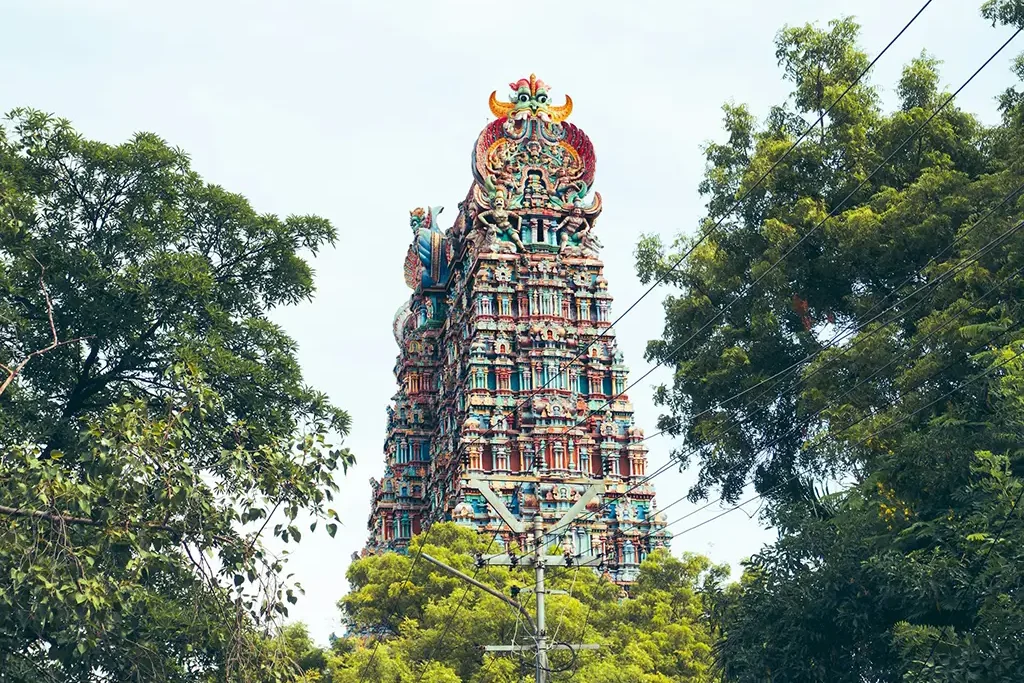
At Meenakshi Amman Temple, your senses come alive. Bright colors like cobalt blue, emerald green, and fiery red fill every surface. You can hear bells ringing and the soft voices of thousands of pilgrims around you.
This place is not quiet; it is vibrant and almost overwhelming. Many travelers say this sensory experience helps them feel present. Their focus sharpens, and their thoughts settle down. The energy of the place pulls you into the moment.
Visitors often say they feel smaller but also connected to something vast and ancient—something much larger than themselves.
Paro Taktsang (Tiger’s Nest), Bhutan
Tiger’s Nest Monastery sits high on a cliff, 3,000 feet above Paro Valley. Legend says that Guru Rinpoche flew here on a tigress and meditated in a cave for over three years.
Sarah climbed to the monastery during a tough time in her life. Her marriage was ending, and she felt lost in her career. She was scared of the unknown.
The hike took hours, and her legs ached. Self-doubt crept in with every step. But once she reached the monastery and sat in the meditation hall, everything changed.
“I didn’t find any answers,” Sarah said. “But I found space. Space to breathe. Space to not know. And somehow, that was enough.”
For many, including myself, visiting Tiger’s Nest is a pilgrimage, both physically and emotionally. The journey is long and challenging but ultimately transformative.

Thiksey Monastery, Ladakh
Thiksey Monastery stands tall in the desert of Ladakh, resembling a mini Potala Palace. Inside, monks and nuns live, just as they have for centuries.
Visitors often join morning prayers. You can hear the deep sound of Tibetan horns and smell juniper incense as the monks’ chants fill the air. This atmosphere feels both ancient and immediate.
One traveler described it as “stepping into a different frequency.” Time seemed to slow down. Daily worries that seemed so important suddenly felt meaningless. What mattered was being present in that moment—wholly occupying the space.
Boudhanath Stupa, Nepal
At Boudhanath, the largest stupa in Nepal, pilgrims walk clockwise around the monument, spinning prayer wheels and reciting mantras. The stupa’s central tower features Buddha eyes, which are calm and all-seeing.
Mark arrived in Boudhanath for his meditation retreat. For years, he struggled with anxiety and felt trapped in a cycle of obsessive thoughts and daily dread. He described his mind as a city full of noise—busy and exhausting.
While sitting by the stupa at dusk, watching the pilgrims walk mindfully, something clicked for him. He realized he didn’t need to control his thoughts. Instead, he could let them flow like clouds across the sky.
“Meditation didn’t cure me,” Mark said. “But it taught me how to be with myself, even during tough times. That has been more valuable than any answer.”
Travelers’ Inner Reflections
People who visit sacred sites often notice small changes after their trips. These changes are not huge revelations but quiet shifts in perspective.
For example, Emily returned from the Golden Temple inspired. She learned that service is more than just a kind act; it is a way of life. It means being there for others without expecting anything in return.
Sarah’s hike to Tiger’s Nest brought her peace. She became comfortable with not knowing everything. Instead of needing answers, she learned to trust that things would work out. She realized there is freedom in accepting uncertainty.
Mark found ways to manage his anxiety at Boudhanath. He still has tough days, but he now creates space around his feelings instead of letting them overwhelm him.
These stories do not have neat endings. Spiritual journeys are often messy. They are real and human stories of people searching for more. They find meaning not just in big moments, but in everyday experiences.
Meditation & Moments of Peace
People seeking a deeper meditation practice can attend retreats throughout South Asia. Many join silent retreats at places like Kopan Monastery and the Vipassana Meditation Center in Lumbini, Nepal.
During these retreats, participants sit and walk in meditation. They may appear still like statues, but they remain aware and engaged, even during busy moments. They put away their phones, and conversations stop. What remains is a direct, unfiltered experience of the present. Modern research also supports meditation practices rooted in Asian spirituality, and you can explore global mental health resources on the World Health Organization website.
At first, this can feel uncomfortable. The mind can rebel with boredom, restlessness, or doubt. But slowly, things change. The noise in the mind quiets down. Moments of silence start to emerge, first brief, then longer.
One retreat participant described it as “turning down the volume on my thoughts.” She couldn’t turn them off completely, but she got better at managing them, making space for gentler feelings.
Meditation isn’t about achieving a blissful state or emptying the mind. Instead, it teaches us to focus our attention, nurture compassion, and accept whatever we experience—good or bad—without clinging or pushing it away.
For those needing a break from reality, these retreats do not offer escape but a more straightforward way to face it.
Lessons from Asian Spirituality Traditions
What do travelers take back from temples, monasteries, and meditation halls? They bring back not just souvenirs but valuable lessons that influence how they live long after their trips. These lessons are real and transform their worldview and values.
Presence over perfection. Spiritual practices focus on being present rather than striving for perfection. Visitors learn that effort matters more than achieving an ideal result. They find value in meditating despite distractions or sitting with discomfort.
Service as practice. Helping others is central to the spiritual journey. Acts of service to fellow travelers or locals help build connection, humility, and purpose. Travelers see that giving is part of spiritual growth, not separate from it.
Letting go. Not accepting situations or truths can lead to suffering. In mindfulness settings, travelers discover the freedom that comes with relaxing their grip on how things should be. This mindset promotes peace and adaptability.
Stillness as strength. In a world that values busyness, choosing stillness can feel unusual yet powerful. Whether through quiet contemplation or simply observing life, travelers find clarity and strength, helping them navigate life’s noise with calmness.
Community matters. Spiritual growth thrives in community. Having others on a similar path—whether monks or fellow seekers—offers valuable support. Travelers learn from each other’s experiences, deepening their personal growth in ways that are hard to achieve on their own.
These lessons are not just ideas but lived experiences that stay with travelers, shaping their lives.
A Journey That Stays With You
Some trips end as soon as you step onto the plane home. But spiritual journeys last longer.
The quiet you find in a monastery stays with you during Monday morning meetings. The kindness you felt at the Golden Temple changes how you interact with others. That clear thinking from a cliffside walk influences your decisions for months or even years.
The temples and monasteries of South Asia are more than just places to visit. They reflect your feelings — fear, hope, grief, and longing — and help you let some of them go.
You don’t need to know everything before you go. You don’t have to be “spiritual enough” or memorize prayers. You need to be willing to listen.
The mountains will welcome you. The monks will greet you. The prayer flags will flutter and carry your prayers to the wind.
Your story is waiting.
Are you ready to start? Get more inspired with TripxAsia and discover the sacredness of South Asia.