Travel Scams in South Asia to Avoid
South Asia is an incredible region to explore. From the chaotic charm of Delhi’s markets to the serene beaches of Sri Lanka and the towering peaks of Nepal, the diversity of experiences is unmatched. However, like many popular tourist destinations around the globe, it presents particular challenges for the uninitiated traveler.
One of the most common concerns for first-time visitors is the risk of being scammed. While the vast majority of locals are incredibly hospitable and eager to share their culture, a small minority sees tourists as easy targets for quick financial gain. It is essential to approach this topic not with fear, but with awareness.
Understanding how these scams operate doesn’t mean you should constantly travel with your guard up. Instead, think of this knowledge as part of your pre-trip preparation—just like checking visa requirements or packing the correct adapter. When you know what to look for, you can spot a red flag from a mile away, politely decline, and get back to enjoying your adventure.
This guide will walk you through the psychology behind these scams, the most common variations you might encounter across the region, and practical, safety-focused ways to handle them without stress.
Why Scams Target Tourists
To effectively avoid scams, it helps to understand why they happen in the first place. It isn’t personal; it is purely economic. In many parts of South Asia, the financial disparity between a local wage earner and an international tourist is significant. For a scammer, a “successful” day might equal a month’s salary for an honest worker.
Scammers rely heavily on two things: your confusion and your politeness. Arriving in a new country often involves a sensory overload. The heat, the noise, the new currency, and the language barrier can make even seasoned travelers momentarily disoriented. Scammers capitalize on this window of vulnerability.
Furthermore, many travelers are conditioned to be polite. We don’t want to be rude, especially when we are guests in another country. Scammers know that you are likely to stop and listen if they approach you with a smile or a seemingly helpful piece of advice. They exploit the social contract, making it awkward for you to walk away.
By understanding that these interactions are scripted transactions rather than genuine cultural exchanges, you can detach yourself emotionally and make rational decisions about whom to trust.
The "Big Three": Transport, Money, and Guides
While scam variations are endless, they almost always fall into one of three categories: transportation, currency exchanges, or unsolicited guidance.
Transportation Troubles
Getting from point A to point B is often where travelers are most vulnerable. The most classic example is the “Closed Hotel/Monument” scam.
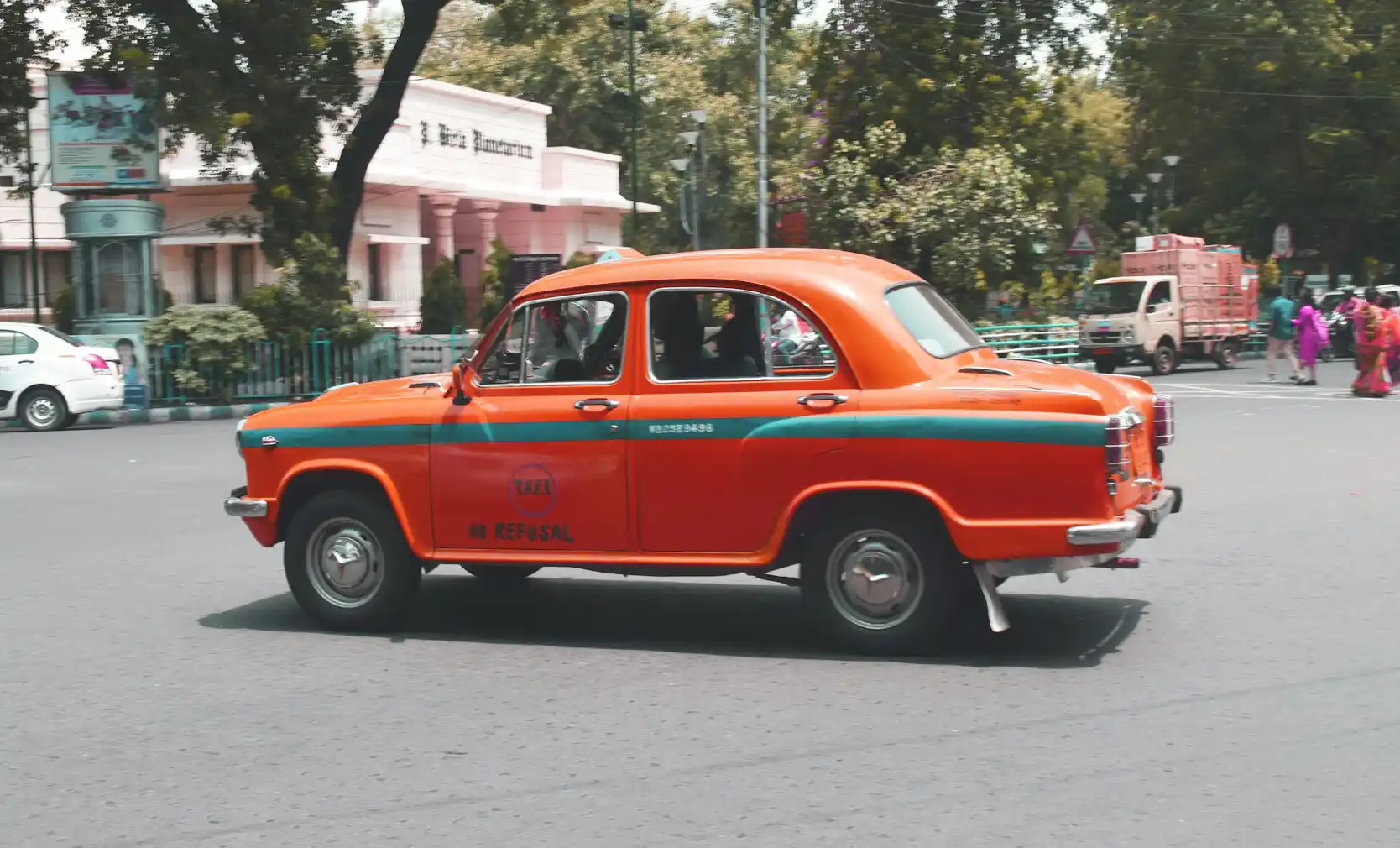
It usually happens like this: You get into a taxi or auto-rickshaw and tell the driver your destination. A few minutes into the ride, the driver casually mentions that your hotel has burned down, is closed for renovations, or that the monument you want to visit is closed for a religious holiday.
They will then offer to take you to a “better” hotel or a different tourist office that can help you re-book. In reality, your hotel is fine, the monument is open, and the driver is taking you to a place that pays them a commission.
The Fix: Always verify information independently. If a driver says your hotel is closed, insist on going there anyway to see for yourself. Use your phone’s GPS to track your route. If you are told a site is closed, check the official website or ask a uniformed police officer, not a random driver.
Another common issue is the “Broken Meter”. Drivers will claim their meter is broken and demand an inflated flat rate.
The Fix: Ride-hailing apps like Uber, Ola (India), or PickMe (Sri Lanka) have revolutionized travel safety in South Asia. They provide a tracked ride with a fixed price. If you must take a street taxi, negotiate the price before you get in, or walk away if they refuse to use the meter.
Money and Currency Confusion
Currency scams can range from simple short-changing to complex gems and jewelry fraud.
The “Gem Scam” is elaborate and has been running for decades, particularly in India and Thailand. A friendly local (often posing as a student or a teacher) befriends you. Over tea, they mention a scheme where you can buy duty-free gems or jewelry in their country, sell them back home for a massive profit, and help them fund their studies.
They make it sound foolproof. You buy the gems, ship them home, and discover upon arrival that they are worthless glass or synthetic stones.
The Fix: The golden rule of travel finance is simple: If an opportunity sounds too good to be true, it is. Never enter a business deal with someone you just met on the street.
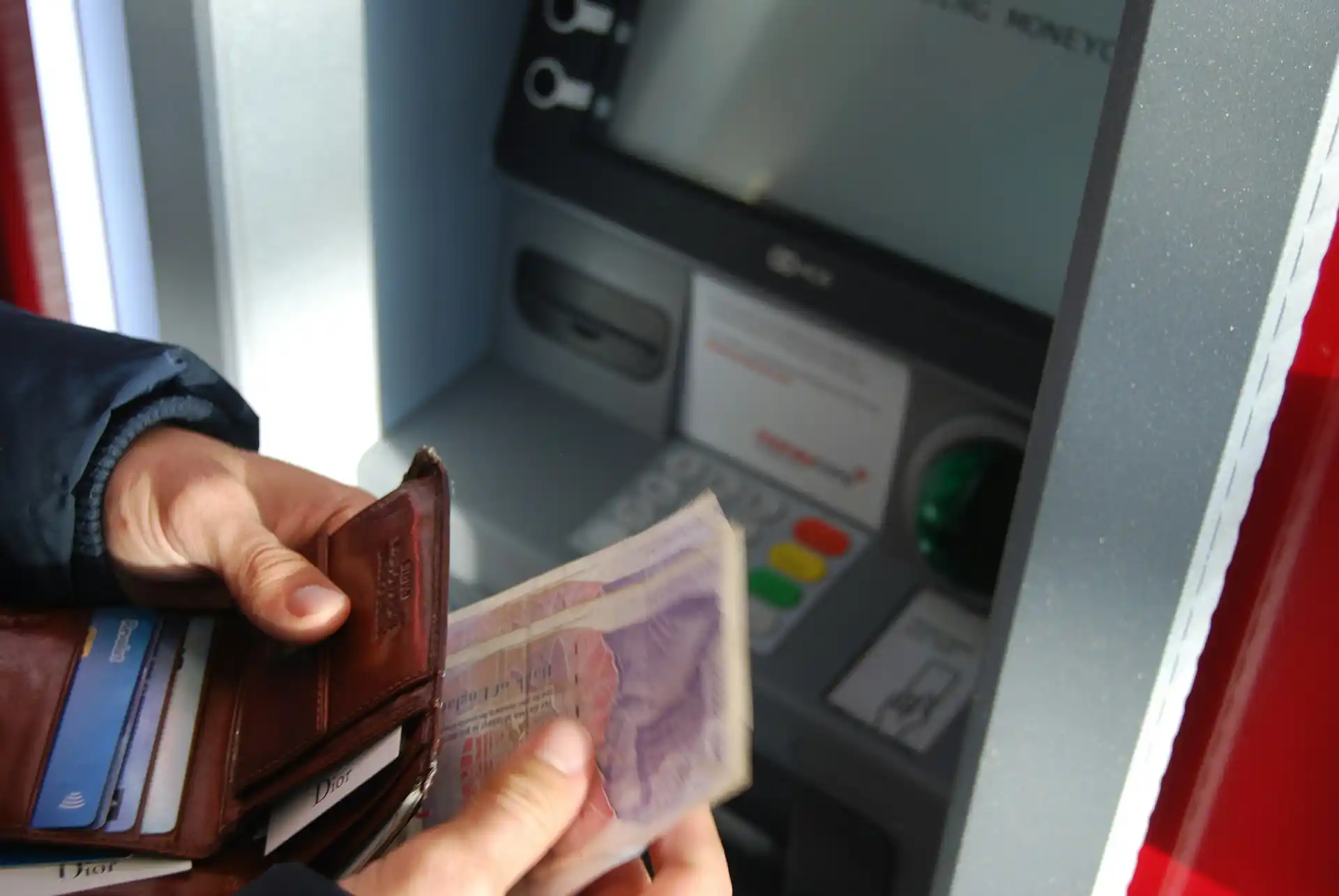
On a smaller scale, be wary of “Fast Counting”. When exchanging money at unauthorized booths, the teller may rapidly count the bills out in front of you. By using sleight of hand, they drop a few notes behind the counter while handing you the stack.
The Fix: Always use official bank ATMs or authorized exchange bureaus. If you must exchange cash, count the money slowly yourself before leaving the window.
Unsolicited Guides and "Help"
In busy tourist areas, you may be approached by people wearing official-looking lanyards or uniforms. They might tell you they are government guides or that you need a special ticket to enter an area.
This often leads to the “Tout” experience. They will aggressively guide you to specific shops (usually selling pashminas, carpets, or spices) where you will be pressured to buy items at inflated prices.
The Fix: Genuine guides usually have an office or a specific booking desk. They rarely approach people randomly on the street. A firm but polite “No, thank you” is your best defense. Keep walking and do not engage in conversation.
Country-Specific Variations
While the themes are similar, different countries in South Asia have unique variations of these scams.
India: The "Official" Tourist Office
In Delhi and Jaipur, touts are notorious for posing as officials. You might be walking near the train station when someone stops you, claiming your ticket is invalid or that you need a special tourist permit. They will direct you to an “Official Government Tourist Office” nearby.
These offices are fake. They are private travel agencies designed to scare you into buying expensive car packages or new train tickets.
Safety Tip: Only trust information from the actual ticket counter inside the railway station. Official Indian Railways staff sit behind counters; they do not roam the parking lots checking tickets.
Nepal: The Milk Scam
In Kathmandu, a young child or a mother with a baby might approach you. They won’t ask for money; they will ask for milk. It pulls at your heartstrings. You go to a nearby shop, buy expensive powdered milk, and hand it to them.
Once you leave, they return the milk to the shopkeeper and split the profit.
Safety Tip: If you want to help, donate to reputable charities or NGOs operating in the region. Direct handouts often perpetuate these cycles.
Sri Lanka: The Stilt Fishermen
On the southern coast, you will see the iconic image of fishermen sitting on stilts in the ocean. While this was once a traditional fishing method, it is now essentially a performance for tourists. If you take a photo, a man on the beach will immediately approach you, demanding payment.
Safety Tip: This is less of a dangerous scam and more of a tourist trap. If you want the photo, agree on a price beforehand. If not, keep your camera away.
Red Flags Tourists Often Ignore
Most scams have warning signs that appear long before you lose any money. Learning to spot these behavioral cues can save you a lot of trouble.
Excessive Friendliness
South Asian culture is warm, but if a stranger on the street speaks perfect English and asks aggressive personal questions within 30 seconds of meeting you (Where are you from? Is it your first time? Where are you staying?), be cautious. They are profiling you to see if you are a viable target.
Urgency
Scammers need you to act fast before you have time to think or check your phone. Phrases like “The office closes in 10 minutes,” “Today is the last day of the festival,” or “The train is leaving now” are designed to induce panic. Slow down. Take a breath. Nothing is ever as urgent as they make it seem.
Isolation
A scammer wants to separate you from the herd. They might try to lead you down a quiet alley “shortcut” or invite you to a private home for dinner immediately. While home-stays are a wonderful part of travel, they should be arranged through trusted platforms, not impromptu street meetings.
The “You dropped this” Trick
Someone might point to something on your shoe or claim you dropped money. When you look down or bend over, you are distracted. This is often a setup for pickpocketing. Keep your belongings secure and be aware of your surroundings in crowded markets.
How to React Safely
If you realize you are in the middle of a scam attempt, your reaction determines the outcome. The goal is to extract yourself from the situation safely and calmly.
Don’t Be Afraid to Be Rude
This is the most challenging hurdle for many Western travelers. We are taught that it is rude to ignore someone who is speaking to us. In a scam scenario, silence is your best tool. You do not owe a stranger your time or attention. If someone is badgering you, break eye contact and keep walking.
The “Broken Record” Technique
If you are cornered or feel you must respond, pick one phrase and repeat it. “No, thank you.” If they offer a lower price? “No, thank you.” If they ask why? “No, thank you.” Engaging in a debate gives them an opening to convince you. A repetitive refusal shuts down the negotiation.
Use Your Phone Wisely
Your smartphone is a powerful safety tool, but it can also be a distraction. Use maps to track your location, but don’t walk around with your face buried in the screen. If you need to check your position, stop in a shop or a safe corner. If a driver is taking you off route, show them the map on your phone and firmly ask them to return to the correct path.
Threaten Police Involvement
Scammers generally want to avoid trouble. If you feel threatened or if a driver is refusing to let you out, calmly take a photo of their license plate or ID badge and mention the “Tourist Police.” In many South Asian countries, there are specific police divisions dedicated to tourist safety, and scammers fear them. Usually, just the mention of the police is enough to make them back off.
Planning for a Safe Journey
The best defense against scams is solid planning. When you have your airport transfers booked, your accommodation confirmed, and your itinerary roughly mapped out, you look confident. Scammers look for the confused traveler standing on the curb with a guidebook, looking lost.
It is also helpful to have a local contact. Whether that is a reputable tour operator or just the concierge at your hotel, having someone you can call to verify prices or ask for advice provides a massive safety net.
South Asia is a region of immense beauty and kindness. By keeping these tips in mind, you can navigate the streets with confidence, ensuring that your memories are defined by the incredible sights and legitimate cultural connections, rather than the minor annoyances of tourist traps.
Travel smart, stay aware, and enjoy the adventure.