Best Travel Accessories for South Asia Trips
Landing in South Asia is a sensory experience unlike any other. Whether you are stepping onto the tarmac in Colombo, navigating the chaotic streets of Mumbai, or trekking through the foothills of Nepal, the environment commands your attention immediately. The heat is often heavy and humid, the sounds are a vibrant cacophony of horns and commerce, and the pace of life is intense, overwhelming for the uninitiated.
For many travelers, the instinct is to pack for every possible scenario. You might stuff your bag with “just in case” items that end up being dead weight on your shoulders for weeks. However, traveling through this specific region—covering India, Sri Lanka, Nepal, Pakistan, and Bangladesh—requires a different kind of preparation. It isn’t about having the most expensive gear; it is about having the right gear to handle specific environmental challenges.
The difference between a miserable 14-hour train ride and a manageable one often comes down to three or four small accessories. The ability to navigate a dusty city without respiratory issues or keep your electronics charged during a power outage depends on foresight, not luck. This guide ignores the generic “travel pillow” advice found on standard lists and focuses solely on the realities of South Asian travel: the climate, infrastructure, and movement.
Why Best Travel Accessories Matter in South Asia?
In Europe or North America, if you forget something, you can usually pop into a store that looks exactly like the ones back home and replace it. In South Asia, while you can undoubtedly buy supplies, finding specific high-quality travel gear on the fly can be difficult outside of major metropolitan hubs.
More importantly, accessories here serve as a bridge between your comfort zone and the environment. The region is advantageous, but it is physically demanding. You are often dealing with extreme UV exposure, fine dust that gets into every zipper, and noise levels that disrupt sleep.
Your gear needs to perform three functions: protection, hygiene, and security. If an item doesn’t fit into one of those categories, it likely doesn’t belong in your bag. The goal is to remain agile. Heavy bags are a nightmare when you are trying to jump onto a moving bus or navigate a crowded railway platform. The accessories you choose should add value without adding bulk.
Heat, Dust, and the Reality of Transport
Heat and dehydration are constant challenges while traveling across South Asia. According to the World Health Organization, travelers in hot climates face increased risks of dehydration and heat exhaustion. The “Golden Triangle” of discomfort in South Asia usually boils down to temperature, air quality, and the sheer length of travel days. Here is how to accessorize to mitigate these factors.
Conquering the Water Situation
You cannot drink tap water in South Asia. Access to safe drinking water is not always guaranteed. The CDC recommends water purification solutions as essential travel accessories when visiting regions with unsafe drinking water. This reality usually leads travelers to buy three to four plastic bottles a day. Over a month-long trip, that is a mountain of plastic waste, and in many rural areas, waste management is nonexistent.
A water purification bottle is the single most important accessory you can pack. Look for bottles that use a press-filter system or a suction filter that removes viruses, bacteria, and protozoa. This allows you to fill up from hotel taps, railway station coolers, or even mountain streams in an emergency. It saves you money, saves the environment, and ensures you never run out of water during a long journey.
The Dust Defense
Whether you are in a tuk-tuk in chaotic traffic or on a local bus with the windows down, dust is a constant companion. It coats your skin and gets into your lungs.
Pack a lightweight buff or tubular scarf. In the West, these are often seen as winter gear, but in South Asia, they are essential for respiratory health. You can pull it up over your nose and mouth when traffic pollution gets heavy. It also doubles as a sweatband, an eye mask, or a head covering for entering temples. Cotton or breathable synthetic blends are best; avoid heavy wool.
The Noise Factor
Silence is a luxury in South Asia. Horns are used as a communication tool rather than a warning signal, meaning the noise is constant, often continuing late into the night.
High-quality earplugs are non-negotiable. Foam ones are okay, but reusable silicone earplugs offer a better seal against the high-decibel horns. If you have the budget, noise-canceling headphones are a game-changer on trains and buses, creating a sanctuary of quiet amid chaos. However, keep a cheap pair of wired earbuds as a backup for when batteries die.
Dealing with "Squat" Toilets and Hygiene
While hotels will have western toilets, roadside stops and train stations often feature squat toilets. Toilet paper is rarely provided.
Always carry a sanitation kit in your daypack. This should include hand sanitizer (the gel type), a small packet of tissues or biodegradable wipes, and soap leaves. Soap leaves are dry sheets of soap that dissolve in water; they are incredibly light, TSA-friendly, and prevent the mess of carrying a soggy bar of soap or a leaking liquid bottle.
The Quick-Dry Towel
Humidity in places like Kerala or Sri Lanka can reach 90% or higher. Cotton towels do not dry. If you pack a standard towel, it will inevitably smell like mildew within 3 days.
Invest in a microfiber or linen travel towel. Linen is naturally antimicrobial and feels better against the skin, though it can be pricier. Microfiber is cheaper and packs smaller. Whichever you choose, ensure it has a snap loop so you can hang it from your backpack to dry while you walk, if necessary.
Power, Security, and Health Essentials
Infrastructure in South Asia is improving rapidly, but it is still inconsistent compared to what many travelers are used to. Preparing for power cuts and petty theft is just part of the planning process.
The Power Reality
Power cuts are common, especially in Nepal and parts of India, during the peak summer. Furthermore, the electrical outlets can be a guessing game. You might find Type D (three round pins), Type C (two round pins), or Type G (British style).
A universal travel adapter with surge protection is critical. The “surge protection” part is vital because voltage spikes can fry sensitive electronics like laptops or cameras.
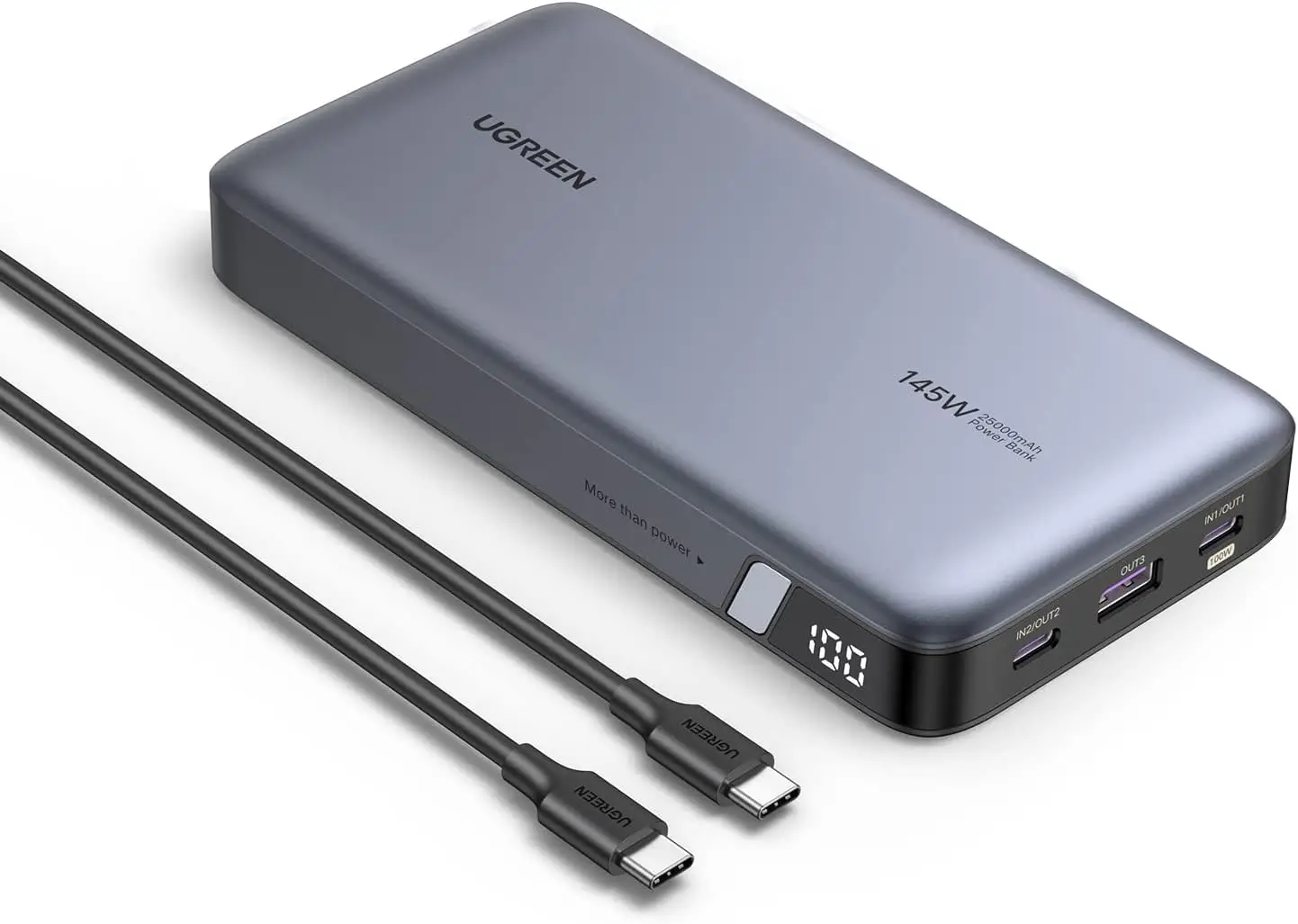
Pair this with a high-capacity power bank (20,000 mAh). On a 16-hour train ride where the outlet at your seat doesn’t work (a common occurrence), your phone is your map, your translator, and your entertainment. Running out of battery can be a safety issue if you arrive in a new city at 2:00 AM without access to your hostel booking or offline maps.
Train Travel Security
The train systems in South Asia are marvels of the world, moving millions of people daily. However, theft does happen, particularly of bags left unattended while you sleep.
If you plan on taking sleeper trains, bring a cable lock or a bicycle chain. In India, for example, you will notice locals chaining their luggage to the metal loops beneath the seats and making the same signals that you are a savvy traveler, which makes your bag a difficult target.
For day-to-day walking, a money belt is standard advice, but it can be uncomfortable in the heat. A better alternative is a bra stash (for women) or a belt with a hidden zipper pocket. These allow you to carry emergency cash and a copy of your passport without the bulk of a traditional fanny pack under your shirt.
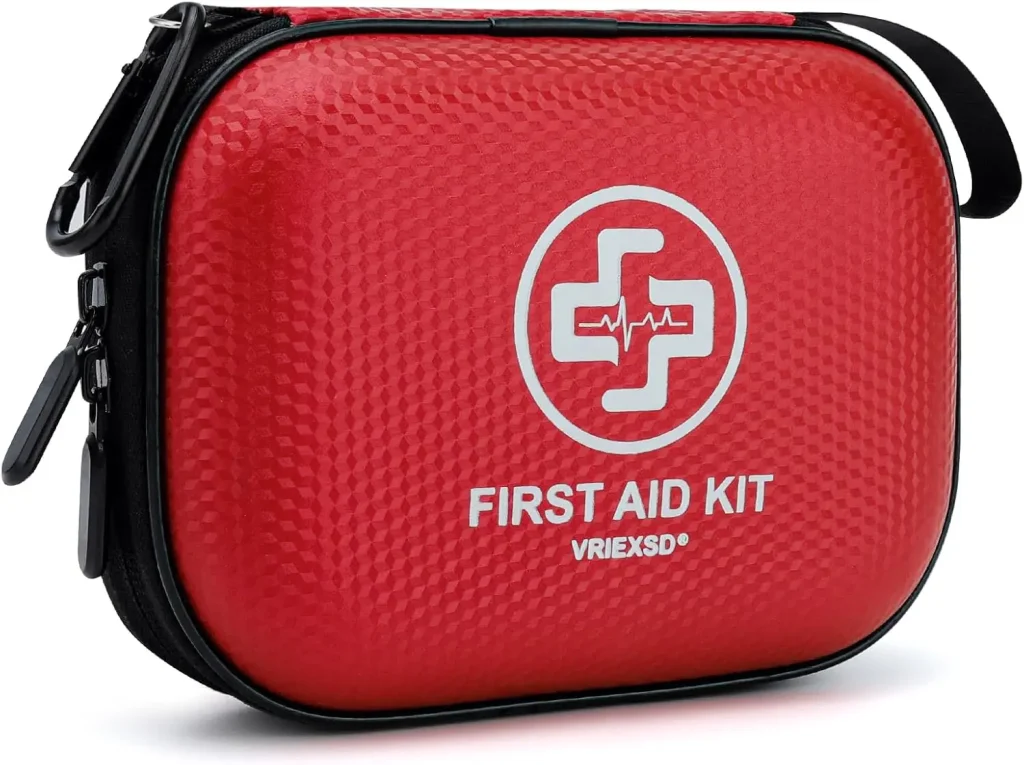
Health: The First Aid Kit
Pharmacies in South Asia are generally excellent, stocking most antibiotics and over-the-counter medicines at a fraction of Western prices. You don’t need to pack a hospital.
However, you do need oral rehydration salts (ORS). Dehydration hits fast due to the heat and potential stomach bugs (often affectionately called “Delhi Belly”). Having ORS packets on hand can save you from a trip to the hospital. Also, pack your preferred brand of mosquito repellent. While you can buy repellent locally, it often contains different active ingredients than what you might be used to. A spray containing DEET or Picaridin is recommended for malaria- and dengue-prone areas.
What You Don't Actually Need
Overpacking is the enemy of enjoyment. In the context of South Asia, certain items that seem worthwhile at home become burdens on the road.
Jeans: Unless you are traveling exclusively in winter or at high altitude in the Himalayas, leave the jeans at home. They are too hot, too heavy, and if they get wet during a monsoon downpour, they will take days to dry. Loose, breathable cotton or linen trousers are superior in every way.
Hiking Boots (Unless Trekking): If your itinerary is mostly cities, temples, and beaches, hiking boots are overkill. They are a nightmare to take on and off at temple entrances (where shoes must be removed). A sturdy pair of walking sandals or breathable trail runners is much more practical.
Sleeping Bags: Even in budget hostels or sleeper trains, bedding is usually provided. A sleeping bag takes up a lot of space. If you are worried about cleanliness, pack a silk sleeping bag liner instead. It weighs nothing, keeps you separated from questionable sheets, and adds a layer of warmth if the AC is too cold.
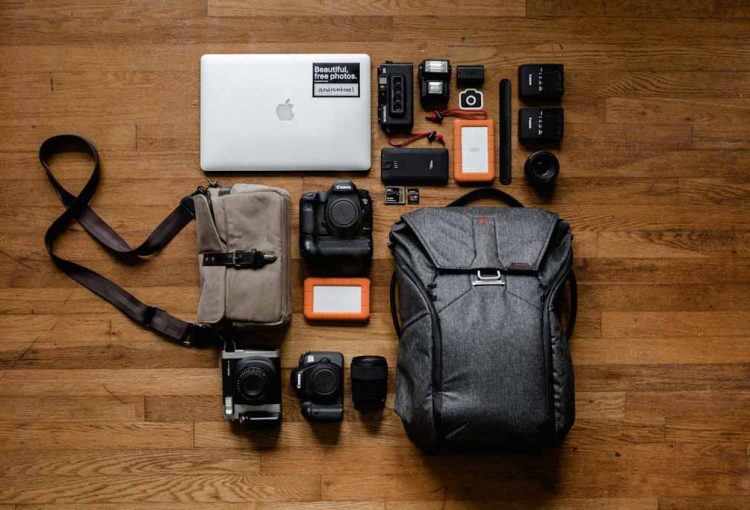
Fancy Camera Gear (For Amateurs): South Asia is photogenic, but hauling a DSLR, three lenses, and a tripod attracts a lot of attention and weighs you down. Unless you are a professional photographer, a modern smartphone or a small mirrorless camera is sufficient and much safer.
Packing Logic by Trip Type
Your accessory list should shift slightly depending on the nature of your journey.
The Budget Backpacker
Your focus is durability and security. You are likely staying in dorms and taking local buses.
- Must-Haves: Cable lock for trains, heavy-duty earplugs, sleeping bag liner, headlamp (for dorms and power cuts).
- Skip: Expensive noise-canceling headphones (too much theft risk/bulk), rolling luggage.
The Digital Nomad / Flashpacker
You need connectivity and are willing to pay for slightly better transport, but you still face infrastructure gaps.
- Must-Haves: Surge-protecting power strip (to charge laptop, phone, and camera simultaneously from a single outlet), portable Wi-Fi hotspot or a spare phone with a local SIM, high-quality noise-canceling headphones for working in noisy cafes.
- Skip: Heavy guidebooks (use digital versions).
The Short-Term Vacationer
You are there for two weeks, moving fast, and staying in mid-range hotels.
- Must-Haves: Packing cubes (to organize quickly and separate dirty laundry), water purification bottle (to save time finding shops), comfort items like a good neck pillow for flights and transfers.
- Skip: Laundry detergent (pay the hotel a few dollars to do it).
Prepare Well, Travel Light
The key to enjoying South Asia is accepting that things will go wrong. The power will go out, the bus will be late, and it will be hotter than you expected. The accessories listed above aren’t magical solutions that will fix the infrastructure, but they are tools that help you roll with the punches.
When you aren’t worrying about where your next drink of safe water is coming from or whether your phone will die before you reach the hostel, you actually have the mental space to enjoy the experience. You can focus on the curry’s taste, the intricacy of the temple architecture, and conversations with locals.
Start your planning by looking at your itinerary and asking yourself realistic questions about the environment you will be in. Pack for the climate, pack for safety, and leave the rest behind.