Travel Insurance Asia for Adventure Activities
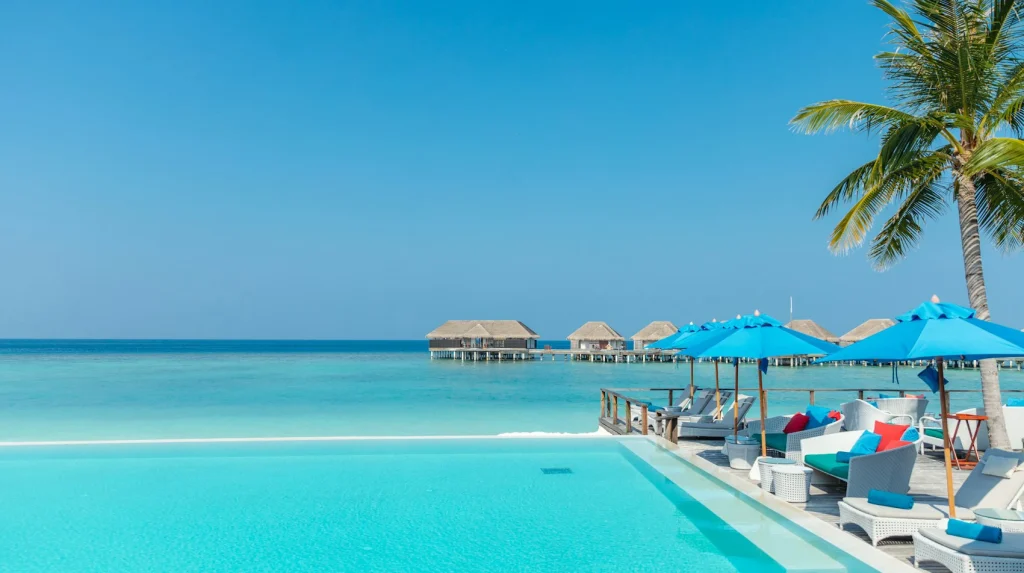
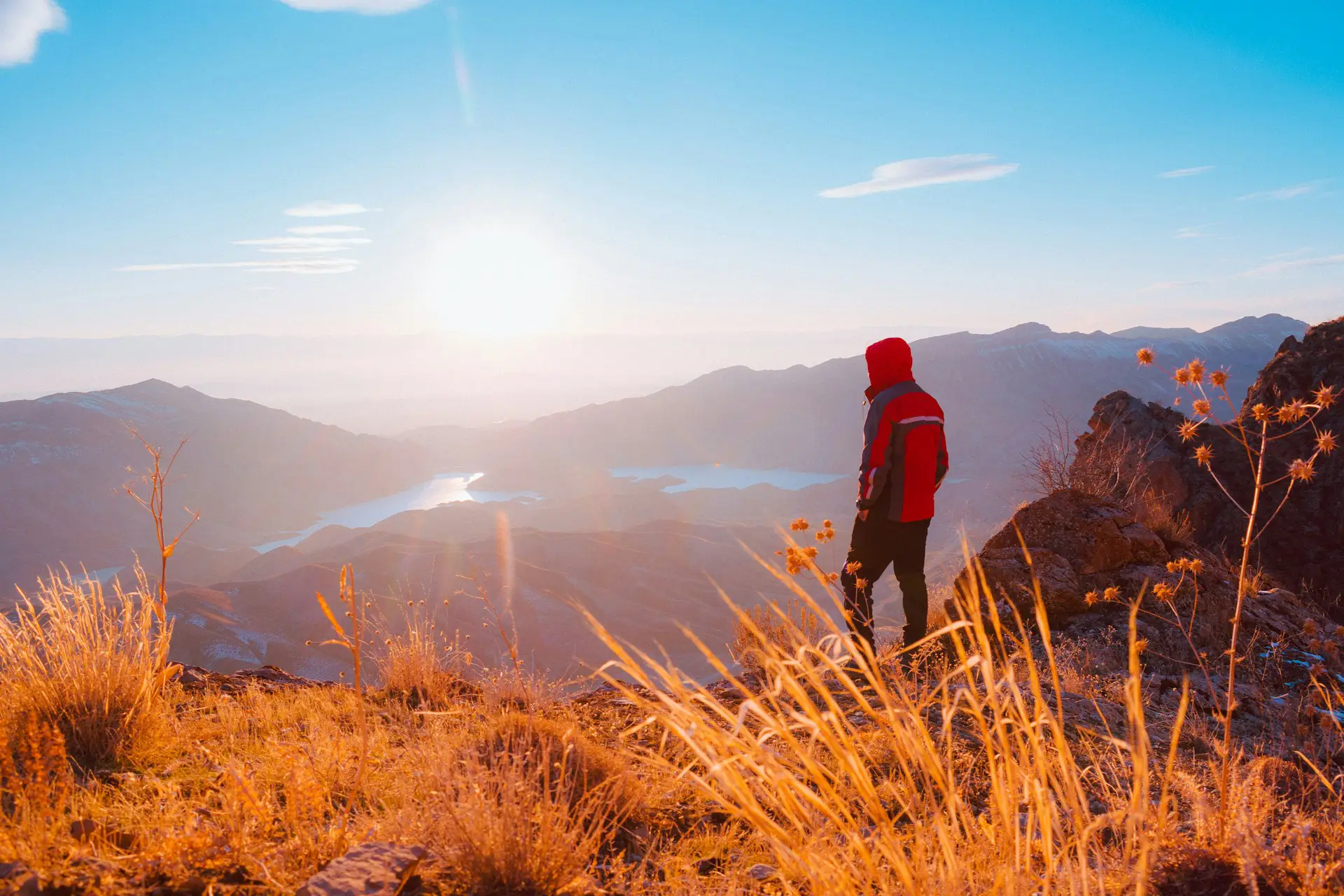
South Asia offers some of the most spectacular landscapes on Earth. From the snow-capped peaks of the Himalayas in Nepal to the vibrant coral reefs of the Maldives and the dense jungles of Sri Lanka, the region invites you to do more than sit by a pool. It invites you to explore, to move, and to push your boundaries.
However, planning a trip that involves physical activity requires a different approach to preparation than a standard beach holiday. When you book a flight to Kathmandu or Colombo, you are likely thinking about gear lists, weather patterns, and physical training. But there is one piece of paper that is just as critical as your hiking boots or your diving certification: your travel insurance policy.
Many travelers assume that once they purchase a “comprehensive” travel insurance policy, they are covered for anything that happens on their trip. Unfortunately, this is rarely the case. Standard travel insurance is generally designed for standard travel—sightseeing, staying in hotels, and moving through cities. Once you add elevation, speed, or underwater depth to the equation, you enter a category that insurers label “high risk.”
Understanding where standard coverage ends and adventure coverage begins is the key to traveling with confidence. This guide will walk you through the nuances of ensuring adventure activities in South Asia, helping you understand what to look for so you can focus on the experience, not the “what ifs.”
What Counts as 'Adventure' in Asia?
The definition of “adventure” varies significantly between travelers and insurance underwriters. To you, riding a camel in Rajasthan is a fun tourist activity. To an insurer, it might be classified under animal interactions or hazardous activities. Adventure activities often involve higher physical risk, which is why safety standards and injury data from the World Health Organization are important when evaluating travel insurance Asia policies.
Generally, insurance providers split activities into three categories:
- Standard Leisure: This usually covers walking tours, swimming in a pool, dining out, and using public transport.
- Amateur Sports: This might include snorkeling, light hiking (on marked trails), or recreational cycling. Some comprehensive policies automatically cover these, but many do not.
- Adventure/Extreme Sports: This is the category where most coverage gaps occur. It includes trekking at altitudes above 2,000 meters, scuba diving, motorbiking, rock climbing, and white-water rafting.
In South Asia, the lines often blur. Is a tuk-tuk ride adventurous? Usually, it is covered as public transport. But if you rent the tuk-tuk to drive it yourself (as is common in parts of Sri Lanka), it becomes a vehicle rental, with entirely different liability rules.
The golden rule is never to assume an activity is “standard” just because it is popular. If it involves specialized gear, an engine, or an adrenaline rush, you need to check your policy wording.
Trekking, Diving, and Safari Coverage
South Asia is famous for three specific types of adventure: high-altitude trekking, scuba diving, and wildlife safaris. Each comes with particular insurance clauses that you must verify before departure.
Trekking and Hiking
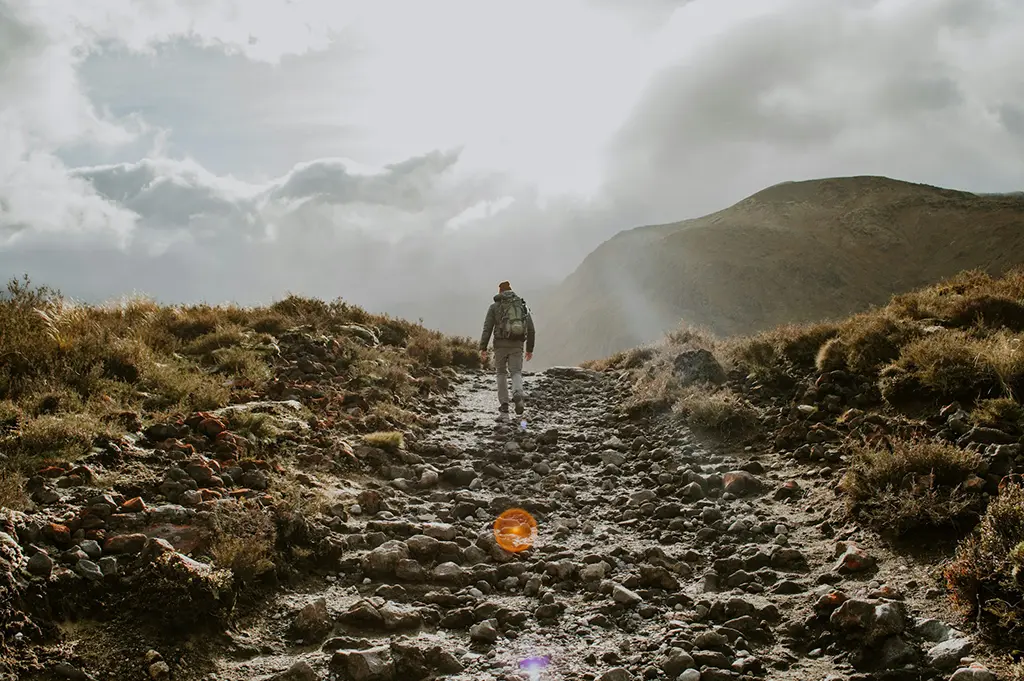
If you are heading to Nepal, India (Himachal Pradesh/Ladakh), or Bhutan, you are likely there for the mountains. The critical factor here is altitude. Not all trekking routes are automatically covered, and insurers like World Nomads clearly specify altitude limits and adventure inclusions for Asia.
Most standard travel insurance policies have an elevation limit. This is often set relatively low, around 1,500 to 2,500 meters (4,900 to 8,200 feet). To put that in perspective:
- Kathmandu, Nepal: Approx. 1,400 meters (Safe on most policies)
- Namche Bazaar (Everest Region): Approx. 3,440 meters (Excluded on standard policies)
- Everest Base Camp: Approx. 5,364 meters (Definitely excluded)
If you require medical attention at 4,000 meters and your policy limit is 2,500 meters, your insurer is not obligated to pay for your evacuation or treatment. You need a policy that covers explicitly “trekking up to X meters.” Ensure the limit covers the highest point of your trek, not just the sleeping altitude.
Scuba Diving
The Maldives, the Andamans, and coastal Sri Lanka are diving hotspots. Insurance coverage for diving usually depends on two things: depth and certification.
- Uncertified Divers: If you are doing a “Discover Scuba” course with an instructor, ensure your policy covers introductory dives.
- Certified Divers: If you have your PADI or SSI Open Water, you are usually covered up to 18 meters. However, if you plan to go deeper (Advanced Open Water goes to 30 meters), you must ensure your policy covers that specific depth.
A common pitfall is diving solo. Almost all policies require you to dive with a certified buddy or instructor. Diving alone usually voids coverage instantly.

Wildlife Safaris
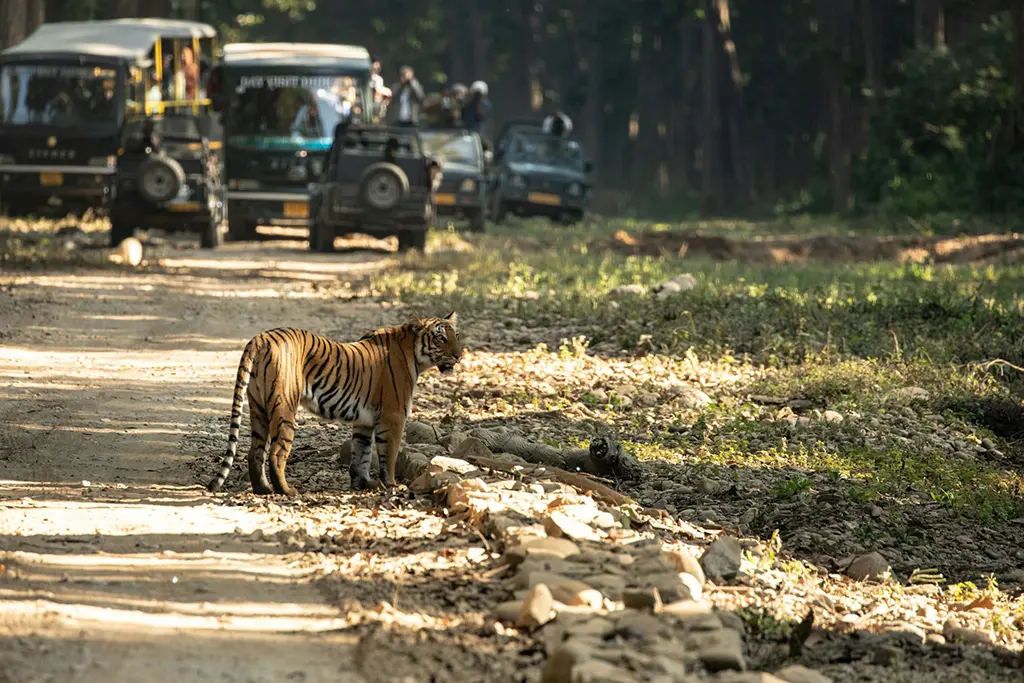
Safaris in Yala National Park (Sri Lanka) or Ranthambore (India) are generally considered lower risk than trekking, but they are not risk-free. The exclusions here usually relate to “interaction with wild animals.”
If you are in a jeep with a licensed guide, you are typically covered. However, if you exit the vehicle in a non-designated area or engage in walking safaris, you may be crossing into uninsured territory. Always verify if your policy has specific exclusions regarding wildlife interactions.
Altitude and Motorbike Clauses
Two of the most common reasons for denied insurance claims in South Asia revolve around altitude sickness and motorbike accidents. These areas require careful attention to the fine print.
The Altitude Clause and Evacuation
We touched on elevation limits, but the type of evacuation is just as important. In the Himalayas, roads are nonexistent in high regions. If you suffer from Acute Mountain Sickness (AMS) or a broken leg, the only way down is often via helicopter.
A helicopter rescue in Nepal can cost anywhere from $5,000 to over $10,000 USD, payable upfront if you don’t have insurance confirmation.
When reviewing your policy, look for “Search and Rescue” or “Emergency Medical Evacuation.” Some policies cover medical bills but exclude the search-and-rescue portion. You need a policy that covers both. Furthermore, check if the insurer handles direct billing. Trying to arrange a $10,000 payment from a mountainside while injured is a stress you want to avoid.
The Motorbike Clause
Renting a scooter or motorbike is the quintessential way to see parts of India or coastal towns. It is also the most frequent cause of serious injury for tourists.
There is a widespread myth that travel insurance automatically covers motorbike accidents. This is false. To be covered, you usually need to meet three strict criteria:
- A Valid License: You must hold a valid motorbike license in your home country and typically an International Driving Permit (IDP) with the motorcycle stamp. A car license is rarely sufficient for anything over 50cc.
- Helmet Usage: If you are not wearing a helmet, your medical coverage is void. It doesn’t matter if the locals aren’t wearing one; your contract requires it.
- Engine Size: Some “Adventure Sports” add-ons only cover bikes up to 125cc or 250cc. If you rent a Royal Enfield (350cc or 500cc) in the Himalayas, a standard scooter policy won’t cover you.
If you are not licensed to ride a motorcycle at home, do not expect your travel insurance to learn how to cover you abroad.
Common Exclusions to Watch
Beyond the specific activities, there are general exclusions that apply to almost every travel insurance policy. These are the behavioral factors that can nullify your coverage, regardless of which “adventure pack” you purchased.
Intoxication
South Asia has a vibrant nightlife scene, from beach parties in Goa to hostels in Kathmandu. Insurance providers are obvious: if you are injured while under the influence of alcohol or drugs, your claim will likely be denied.
This is not just about driving. If you are intoxicated and trip on a staircase, fall off a balcony, or lose your belongings, the insurer can request a toxicology report or doctor’s notes. If alcohol is listed as a contributing factor to the event, the financial burden falls on you.
"Reckless" Behavior
This is a subjective term, but insurers use it to describe exposing yourself to needless peril. Climbing a closed trail, swimming despite red flag warnings, or ignoring guide instructions can be deemed reckless.
Unlicensed Operators
When booking adventure activities—whether it’s paragliding in Pokhara or white-water rafting in Rishikesh—ensure the operator is licensed and registered. Insurance policies often state that coverage only applies when participating in activities with a “licensed commercial operator.” If you go rafting with a local who happens to have a boat but no business registration, you might be uninsured.
Pre-existing Medical Conditions
Adventure activities put strain on the body. If you have a history of heart issues, asthma, or joint problems, and you undertake a strenuous trek, any medical emergency related to that condition might be excluded unless you declared it when buying the policy. Honesty is the best policy here; it is better to pay a slightly higher premium for a declared condition than to have a claim denied later.
How to Choose Travel Insurance Asia Adventure-Safe Plans
Selecting the right policy doesn’t have to be overwhelming. It just requires a methodical approach. Do not just look at the price tag; look at the definitions. Here is a step-by-step guide to finding a plan that supports your South Asian adventure.
1. Identify Your Itinerary First
Before you open an insurance comparison site, write down precisely what you plan to do.
- Are you trekking? How high?
- Are you riding a bike? What engine size?
- Are you diving? How deep?
2. Check the "Sports and Activities" Table
Most policy documents include a section near the end listing covered sports. They are often tiered.
- Level 1: Walking, swimming (Included).
- Level 2: Bungee jumping, zip-lining (Might need an add-on).
- Level 3: Skydiving, climbing, trekking over 3,000m (Almost always requires a premium add-on).
Find your specific activity on these lists. If it isn’t listed, email the insurer for written clarification.
3. Verify Medical Evacuation Limits
For adventure travel, medical evacuation is more critical than baggage delay coverage. Look for a policy with high evacuation limits—ideally $100,000 USD or more — if you are going to remote regions like the Himalayas. Helicopters and air ambulances are costly logistical operations.
4. Look for "Direct Pay" Capabilities
In an emergency, you want an insurer with a 24/7 assistance team that can pay hospitals or rescue teams directly. In South Asia, some private hospitals require payment guarantees before treatment begins. A top-tier adventure insurer will handle this coordination for you.
5. Read the PDS (Product Disclosure Statement)
It is tedious, but spending 20 minutes reading the exclusions section of the Product Disclosure Statement can save you thousands of dollars. Use “Ctrl+F” (or Command+F) to search for keywords like “motorcycle,” “altitude,” “diving,” and “alcohol.”
Adventure is Waiting
Travel insurance is not meant to dampen your spirit or discourage you from taking risks. In fact, it does the opposite. Having the right coverage gives you the freedom to fully embrace the adventure.
When you know you are covered for that high pass crossing or that deep wreck dive, you can focus on the beauty of the moment rather than the anxiety of the “what if.” It allows you to be present.
South Asia is a region that rewards the bold. Whether you are navigating the chaotic streets of Delhi or finding silence in the Annapurna Sanctuary, preparation is your best companion. Take the time to find the right policy, read the fine print, and then explore with confidence.
Disclaimer: This article provides general information only and does not constitute financial or legal advice. Policy terms vary significantly by provider and country of residence. Always read the Product Disclosure Statement (PDS) or policy wording from your specific insurer before purchasing.