Asia Travel Insurance: Is It Needed for South Asia?
Planning a trip to South Asia feels different than booking a weekend in Paris or a resort stay in Mexico. The region—encompassing India, Nepal, Sri Lanka, the Maldives, Bhutan, and, at times, Pakistan—is vast, vibrant, and famously unpredictable. You are likely picturing sunrise over the Himalayas, the chaotic charm of Mumbai streets, or the serene beaches of the Southern Province.
But alongside the excitement of itinerary planning comes the less glamorous side of travel preparation: logistics, visas, and the inevitable question of travel insurance.
It is a grudge purchase. Nobody likes spending money on a “what if,” especially when you are trying to budget for extra days in a tea plantation or a nicer hotel room. You might look at the low cost of living in countries like India or Nepal and wonder if insurance is even worth the premium. If a doctor’s visit costs $20 cash, why pay $100 for a policy?
This is a valid question. The answer isn’t a simple yes or no—it depends entirely on where you are going, how you are getting there, and what you plan to do once you arrive. Understanding the specific travel landscape in South Asia is the best way to make an informed choice rather than one based on fear or marketing hype.
Why Travelers Skip Asia Travel Insurance?
Before we look at why you might need it, let’s acknowledge why you might think you don’t.
First, there is the perception of cost. Medical care in South Asia is significantly cheaper than in the United States or Western Europe. A consultation with a general practitioner in a city like Bangkok or New Delhi can cost a fraction of what it does in New York. Medications are often available over the counter for pennies. For minor ailments—a sprained ankle or a bout of food poisoning—paying out of pocket is often cheaper than the excess (deductible) on an insurance claim.
Second, many travelers believe their credit card coverage is sufficient. Premium travel credit cards often include trip cancellation and some emergency medical benefits. If you booked your flights on one of these cards, you might assume you are fully covered.
Lastly, there is the optimism bias. We simply don’t expect things to go wrong. If you are young, healthy, and sticking to the tourist trail, the likelihood of a significant medical event feels statistically insignificant.
While these points are logical, they often overlook the region’s complexity. South Asia presents a unique set of variables that can turn minor inconveniences into expensive logistical nightmares.
The Context: Real Risks in South Asia
To make a wise decision, you need to strip away the scare tactics and look at the operational reality of the region. We aren’t talking about worst-case scenarios from horror movies; we are talking about the everyday, functional realities of traveling here. Medical emergencies can escalate quickly in unfamiliar environments, which is why health risk insights from the World Health Organization are relevant when evaluating Asia travel insurance needs.
The "Delhi Belly" Factor
Gastrointestinal issues are the most common complaint for travelers in this region. While usually manageable with rest and hydration, severe cases can lead to dehydration requiring hospitalization. In a private hospital in a major city, the standard of care is excellent—often world-class—but the bill for an overnight stay, IV fluids, and tests can quickly climb into the thousands of dollars. Public hospitals, while nearly free, are often under-resourced and complex for foreigners to navigate due to language barriers and overcrowding.
Infrastructure and Transport
Road safety standards in South Asia vary wildly. Traffic in cities can be dense and chaotic, while mountain roads in Nepal or Northern India can be perilous. Even if you are a safe driver or a pedestrian, you cannot control the environment around you.
Furthermore, public transport delays are common. Fog in North India frequently grounds flights and halts trains for days during the winter months. Monsoon rains can wash out roads in Sri Lanka or Kerala. If your trip relies on tight connections, a single delay can cause a domino effect of missed flights and lost bookings.
The Medical Evacuation Gap
This is the single most critical factor distinguishing South Asia from other destinations. If you get sick or injured in a central hub like Mumbai, Colombo, or Kathmandu, you have access to good care.
However, if you are hiking in the Himalayas, exploring the backwaters of Kerala, or relaxing on a remote atoll in the Maldives, you are far from definitive medical care. If you suffer a serious injury in a remote area, you cannot simply call an ambulance. You may need a helicopter evacuation or a medically equipped flight to the nearest major city or even to a different country (like Thailand or Singapore) for complex surgeries.
These evacuations are not cheap. A helicopter rescue in Nepal can cost upwards of $5,000 to $10,000 upfront. A medical jet evacuation to Bangkok can run between $20,000 and $50,000. This is the financial risk that out-of-pocket payments cannot cover.
When Insurance Is Essential
There are specific trip profiles where skipping comprehensive insurance is a financial gamble that most travelers shouldn’t take. If your trip fits any of the following descriptions, a robust policy is strongly advised. Evacuation costs can be extremely high in mountainous regions, and insurers like World Nomads clearly outline helicopter rescue and altitude limits for South Asia.
1. High-Altitude Trekking
If you are heading to Nepal for the Annapurna Circuit or Everest Base Camp, or trekking in Ladakh, India, insurance is effectively mandatory. In fact, many trekking permit agencies will not issue your permit without proof of insurance.
Crucially, standard policies often exclude trekking above certain altitudes (usually 2,500 or 3,000 meters). You must ensure your policy explicitly covers the altitude you will reach and includes helicopter extraction. In the high Himalayas, altitude sickness can strike anyone, regardless of fitness, and the only cure is rapid descent—often by air.
2. Motorbiking and Scooters
Renting a scooter to zip around Goa or Sri Lanka is a classic traveler experience. It is also a leading cause of insurance claims.
If you plan to ride, you need a policy that covers two-wheeled vehicles. More importantly, you must be licensed to ride that exact vehicle in your home country and usually require an International Driving Permit (IDP). If you ride without a license and crash, almost no insurance policy will cover your medical bills.
3. Remote or Island Travel
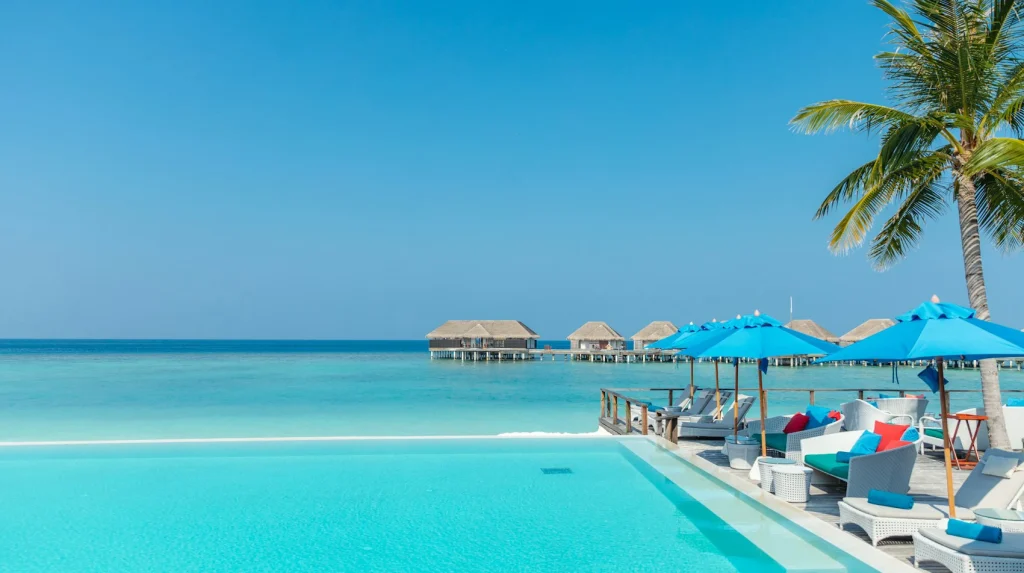
In the Maldives, you are often staying on private islands. If you have a medical emergency (even something as simple as appendicitis), you need a seaplane or boat to get to a hospital in Malé. The logistics of moving a sick person across water are expensive. Similarly, if you are visiting rural Bhutan or the tribal areas of Pakistan, access to care involves complex travel arrangements, and you will want assistance coordinating them.
4. Trips with High Non-Refundable Costs
Did you book a luxury tiger safari in Ranthambore? A high-end resort in the Maldives? A guided tour of Bhutan (where daily fees are high)? If your trip involves significant prepaid, non-refundable deposits, cancellation coverage protects your investment if you get sick right before departure or if a family emergency keeps you home.
When Basic Coverage (or None) Might Suffice
Not every trip requires a “platinum” level policy. There are scenarios where you might decide to self-insure for minor issues or rely on existing coverage.
The "Digital Nomad" in a Major Hub
If you are a young, healthy remote worker setting up a base in a developed neighborhood of Bangalore or Colombo for a month, your risks are lower. You are stationary, you have access to pharmacies, and you aren’t engaging in high-risk activities. If you have a global health insurance policy (different from travel insurance) that covers you internationally, you may not need specific travel insurance.
The Budget Backpacker with Flexible Plans
If you haven’t booked anything in advance besides your flight, and you are staying in budget hostels, you don’t need cancellation cover. You aren’t losing money if you miss a bus; you just catch the next one. In this case, you might look for a “Medical Only” policy. This strips away coverage for lost luggage or delays—which are annoying but not life-threatening—and focuses solely on keeping you medically safe.
Relying on Credit Cards
If you have a premium credit card, call the provider before you go. Ask specifically:
- Does this cover medical evacuation? What is the dollar limit?
- Does it cover the specific countries I am visiting?
- Are there exclusions for the length of the trip? (Many cap coverage at 15 or 30 days).
If the answers satisfy your risk tolerance, this can be a valid way to save money.
A Country-by-Country Reality Check
South Asia is not a monolith. Here is how the necessity of insurance shifts across the region.
🇮🇳 India
- The Reality: Excellent private healthcare in cities; inferior in rural areas. High risk of minor ailments (stomach bugs) and respiratory issues due to pollution in winter.
- Verdict: Highly Recommended. Focus on medical coverage over cancellation. Ensure your policy covers “Cashless” treatment, meaning the insurer pays the hospital directly so you don’t have to put a $5,000 bill on your credit card.
🇧🇹 Bhutan
- The Reality: High daily tourist fees often do not cover insurance. You are usually with a guide, which adds safety, but the terrain is mountainous and remote.
- Verdict: Recommended. Evacuation from Bhutan to India or Thailand is complex and requires solid insurer backing.
🇳🇵 Nepal
- The Reality: Rugged terrain and limited road infrastructure. Hospitals in Kathmandu are decent, but outside the valley, they are basic clinics.
- Verdict: Essential. Specifically for evacuation. If you are trekking, double-check the altitude limits. Read the fine print regarding “Search and Rescue” vs. “Evacuation.” Most policies cover evacuation (moving you because you are hurt) but not search (finding you because you are lost).
🇱🇰 Sri Lanka
- The Reality: Good roads compared to neighbors, but traffic is fast. Dengue fever is a periodic concern. Surfing injuries on the south coast are common.
- Verdict: Recommended. If you are surfing or diving, ensure adventure sports are covered. Political stability has fluctuated in recent years, so check if your policy covers civil unrest or changes in government advice.
🇲🇻 Maldives
- The Reality: An archipelago of isolation. High-end resorts have doctors on site, but they charge high-end prices.
- Verdict: Highly Recommended. The cost of medical transport by air or sea is the primary risk here.
Final Decision Framework
Still on the fence? Use this mental checklist to make your final call. If you answer “No” to the first three questions, you need insurance.
- Can I afford a $50,000 medical bill today?
- If you needed an air ambulance from Kathmandu to Bangkok, could you pay for it in cash without ruining your financial future? If the answer is no, you are transferring that risk to an insurance company.
- Does my domestic health insurance cover me here?
- Most domestic policies stop at the border. Double-check yours.
- Is my trip flexible?
- If you have prepaid $5,000 in hotels and flights, are you okay losing that money if you test positive for COVID-19 or break a leg the day before you fly?
- What is my “Grudge Purchase” threshold?
- Travel insurance usually costs 4% to 10% of your total trip cost. Is saving that small percentage worth the background anxiety of “what if”?
Making the Choice That Fits You
Ultimately, travel insurance in South Asia is about buying options.
When you are healthy and everything is going to plan, insurance looks like a waste of money. But when you are sitting in a rural clinic with a questionable diagnosis, or staring at a cancelled flight board in Mumbai at 2:00 AM, that policy is the difference between a stressful situation and a crisis.
It turns a medical emergency into a logistical problem that someone else manages. It turns a lost bag into a shopping spree rather than a holiday-ruining event.
Please don’t buy it because you are scared of South Asia. Buy it because you respect the environment you are entering. It is a region that rewards the adventurous, but it demands preparation.
If you have decided you need coverage, the next step isn’t just buying the first policy you see. You need to know what to look for in the fine print.