
Festival of India: Best Time to Visit & Celebrate
India celebrates various festivals throughout the year. Some of these festivals truly reflect the spirit of the country. They offer a glimpse into India’s culture, mixing ancient traditions with modern celebrations. For travelers, these festivals provide a unique opportunity to experience India beyond sightseeing. For official festival dates and regional travel updates, visit the Incredible India website before planning your trip.
Planning a trip around these festivals can transform a great vacation into an unforgettable journey. Whether you are drawn to the bright lights of Diwali, the joyful atmosphere of Holi, or the lively Pushkar Camel Fair, timing your visit is essential. This guide will help you navigate India’s festival calendar. You will learn where and when to be for the most meaningful experiences, along with practical travel tips and insights into each festival’s significance.
Festival of India: Annual Celebration Calendar
India’s festivals closely connect with its seasons, agriculture, and mythology. The most active festival season is from September to March, when the weather is also some of the best for travel. During this period, the air is crisp, days are warm, and nights are cool —perfect for exploring outdoor markets and joining in celebrations. Major festivals like Durga Puja, Diwali, and the Pushkar Camel Fair occur in the autumn. At the same time, Holi signals the arrival of spring with vibrant colors. Knowing this calendar helps you plan your visit around the experiences you want.
Festival of India: Top Events & Best Locations
India hosts countless festivals, but some stand out for their size, energy, and cultural significance. These festivals attract tourists from around the world and let them witness Indian culture at its finest.
Holi: The Festival of Colors
When: March
Where: Nationwide, but especially vibrant in North India (Mathura, Vrindavan, Jaipur, Udaipur).
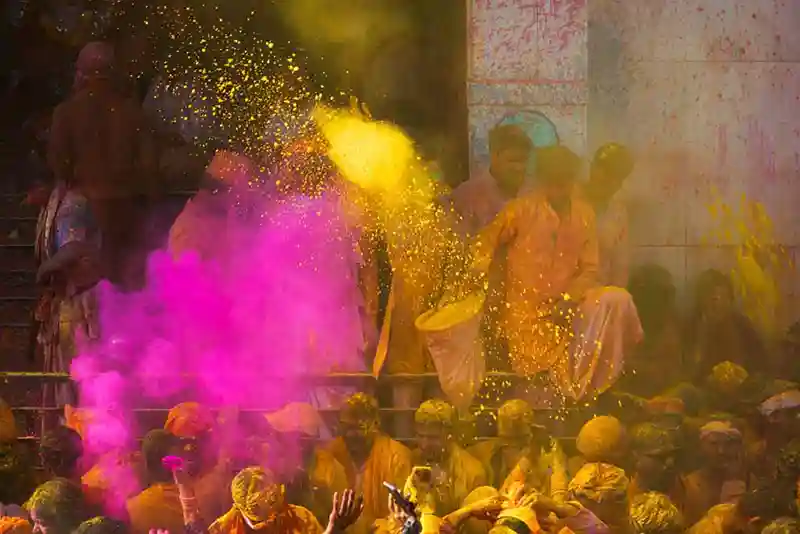
Significance: Holi celebrates the victory of good over evil and welcomes the spring season. It’s a joyful time when people of all backgrounds throw colored powders (gulal) and water at each other, sloughing off social barriers. Holi symbolizes renewal, forgiveness, and new beginnings.
The day before Holi, communities light large bonfires for Holika Dahan, marking the end of evil spirits. On the main day, streets come alive with color, music, and dancing, creating an energetic atmosphere.
Weather: March is the beginning of spring. Temperatures are usually warm and comfortable, around 20-30°C (68-86°F). This makes for perfect weather for outdoor festivities.
Regional Highlights: For an authentic experience, visit Mathura and Vrindavan in Uttar Pradesh, where Lord Krishna was born and grew up. Celebrations last for a week and include fun traditions like Lathmar Holi, where women playfully hit men with sticks. Holi in Jaipur and Udaipur features grand parades and cultural shows arranged by royal families.
Diwali: The Festival of Lights
When: October or November
Where: Celebrated nationwide.
Significance: Diwali, also known as Deepavali, is one of the biggest Hindu festivals in India. This five-day event symbolizes the victory of light over darkness, good over evil, and knowledge over ignorance. Families decorate their homes with small oil lamps (diyas) and colorful rangoli designs. The holiday creates a magical atmosphere, transforming the country into a sparkling wonderland.
Diwali is a time for family reunions, tasty meals, and gift-giving. Fireworks light up the sky, and the smell of sweets fills the air. It’s a joyful celebration for all the senses, bringing warmth and hope.
Weather: Diwali takes place during the dry, calm, and pleasant post-monsoon season, with temperatures between 15°C and 24°C (59°F to 77°F). This is one of the best times to travel in India.
Regional Highlights: While Diwali is celebrated across the country, each region has its unique customs. In Varanasi, thousands of diyas are lit on the banks of the River Ganges during Dev Deepavali. In Kolkata, Diwali coincides with Kali Puja, a festival honoring the goddess Kali, featuring grand decorations and all-night worship. Jaipur’s markets are famously illuminated, creating a beautiful golden glow.
Pushkar Camel Fair: A Cultural Spectacle
When: Late October or early November
Where: Pushkar, Rajasthan
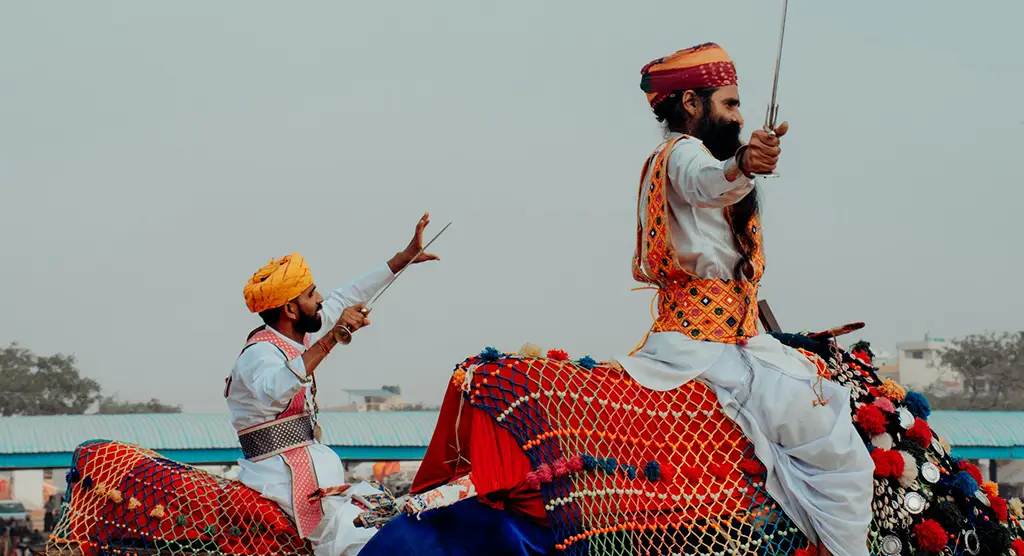
Significance: The Pushkar Camel Fair, once a local livestock trading fair, has become a major cultural event. For five days, thousands of camels, horses, and traders come together in this small desert town.
The fair is more than just a livestock market; it showcases India’s vibrant culture. Visitors can enjoy camel races, beauty contests, and tug-of-war. Musicians, dancers, and acrobats perform against the stunning desert backdrop. Hot air balloons rise with the dawn, making it a perfect event for photographers and cultural enthusiasts.
Weather: Pushkar is in the Thar Desert and experiences extreme weather. Days are warm and sunny during the fair, but nights can get chilly (between 15°C and 30°C, or 59°F to 86°F). Prepare for dusty conditions and occasional strong winds.
Exploring Regional Festival Experiences
In addition to the main festivals, India’s diverse regions offer many unique and exciting celebrations worth visiting.
Durga Puja in Kolkata
When: September or October
Where: Kolkata, West Bengal
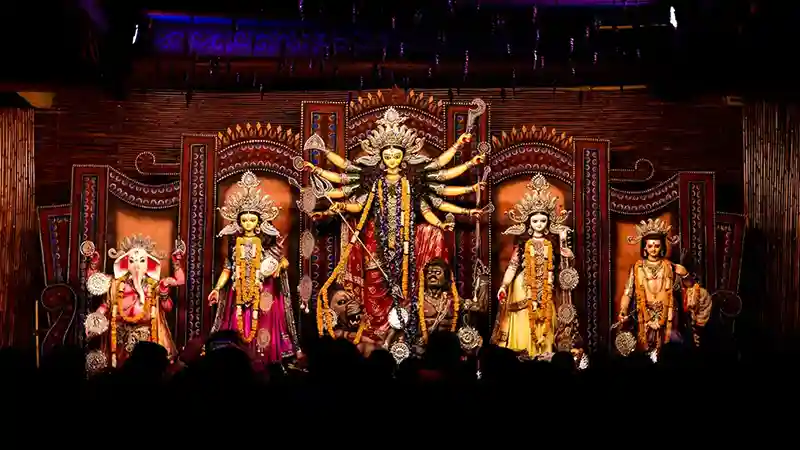
Durga Puja is a ten-day festival honoring the warrior goddess Durga, who defeats the demon Mahishasura. During this time, Kolkata transforms with prominent temporary temples called pandals, each featuring a statue of the goddess. The artistic designs are amazing, and you can enjoy visiting different pandals for days. The festival ends with a grand procession where the idols are immersed in the Hooghly River.
Onam in Kerala
When: August or September
Where: Kerala
Onam is the official festival of Kerala, celebrating the harvest. This colorful event lasts 10 days and features large feasts known as Onam Sadhya, served on banana leaves, beautiful flower carpets called Pookalam, and exciting snake boat races called Vallamkali. Onam promotes Kerala’s rich culture and community spirit.
Ganesh Chaturthi in Mumbai
When: August or September
Where: Mumbai, Maharashtra
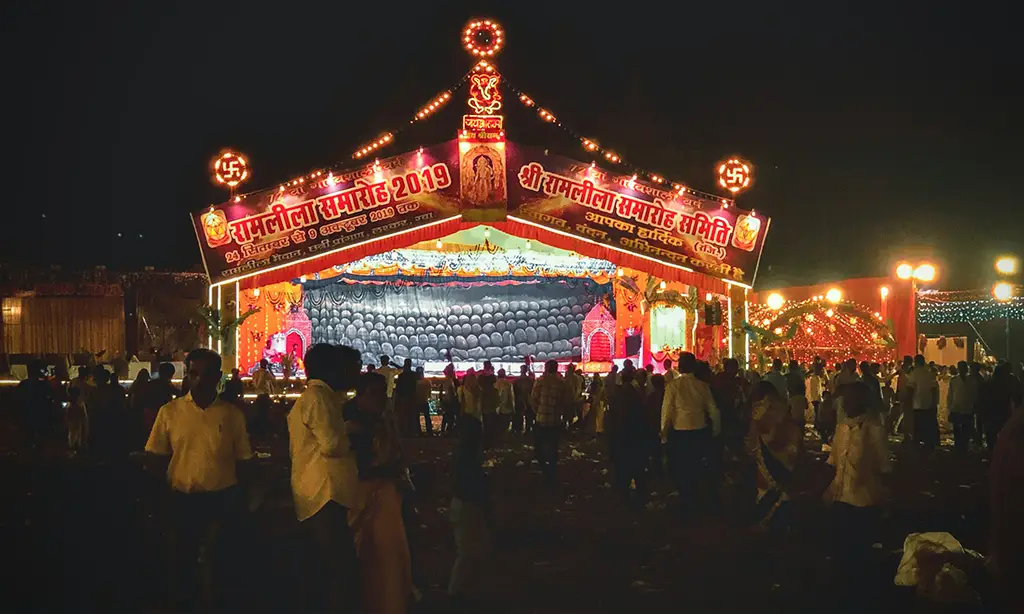
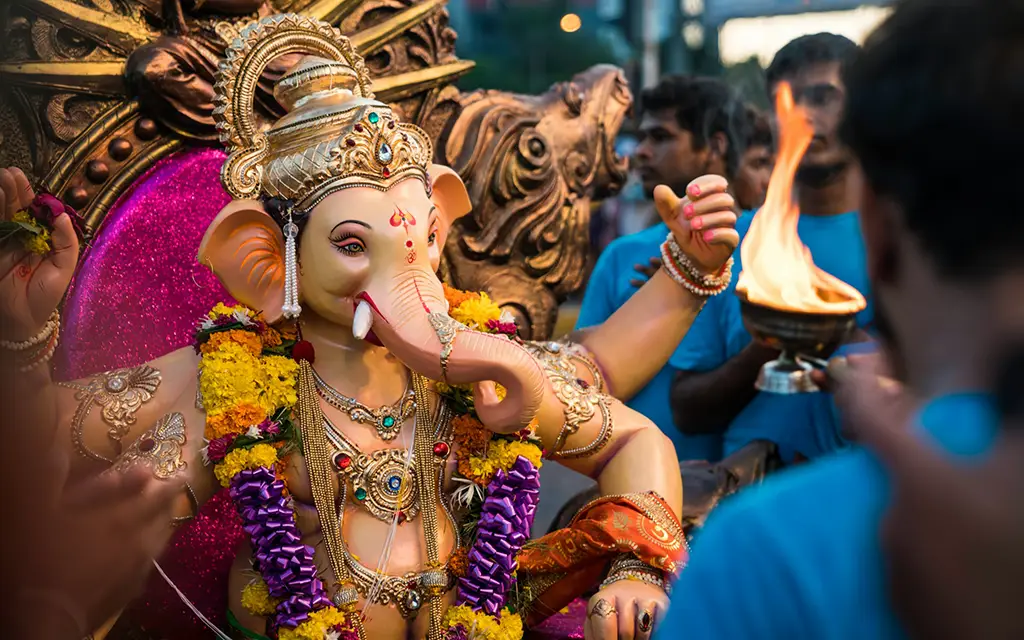
Ganesh Chaturthi celebrates the birth of Lord Ganesha, who has an elephant head. For ten days, people place large statues of Ganesha in homes and public pandals, often decorated in creative ways. The festival ends with a lively procession where devotees carry the idols to the sea for immersion, chanting “Ganpati Bappa Morya!”
Planning Your Festival Trip
Traveling to India during festivals can be challenging because many locals and tourists are on the move.
When to Book
Accommodation and Flights: Book your stay and flights at least 4-6 months in advance. Prices can increase, and the best options fill up quickly, especially in busy places like Pushkar.
Trains and Transport: If you plan to take a train, book your tickets as soon as possible —usually 120 days in advance. Indian Railways are crucial for travel in the country, but trains can get very crowded during the festival season.
Festival Safety & Etiquette
Experiencing a festival in India is exciting, but it’s essential to stay safe and respect local customs.
- Stay Hydrated: With many outdoor activities, staying hydrated is essential. Drink water, especially if you are outside or in hot weather.
- Protect Yourself: If you can, use organic colors during Holi. To make the colors easier to wash off, apply coconut oil to your skin and hair beforehand. Wear sunglasses to protect your eyes.
- Secure Your Belongings: Crowded places can attract pickpockets. Use a money belt or an anti-theft bag for your valuables.
- Respect Traditions: These celebrations have deep religious and cultural meanings. Watch religious ceremonies respectfully from the sidelines, ask permission before taking photos of people, and dress modestly, especially at temples or holy places.
- Be Mindful of Your Surroundings: Always be mindful of your surroundings, especially in large crowds. It’s wise to stay with a group or a trusted local guide.
- Travel Documents: Never lose sight of your passport, visa, and copies of your travel insurance. Keep emergency numbers handy.
Frequently Asked Questions
What is the best festival for a first-time visitor to India?
Diwali is a great choice. It’s a family-friendly festival celebrated nationwide, and the weather is perfect for traveling.
Are these festivals safe for solo female travelers?
Yes, but it’s essential to be extra cautious. At crowded events like Holi, join a reputable group or tour through your hotel or a trusted company. If you feel uncomfortable, stay calm and firm rather than showing it openly.
How can I participate respectfully in religious ceremonies?
Dress modestly by covering your shoulders and knees. Take off your shoes before entering temples or pandals. Follow the behavior of local devotees, and if you’re unsure about a custom, feel free to ask. People are often willing to share their traditions.
Why India’s Festivals Belong on Your Bucket List
India’s festivals are a key part of its rich culture. They offer you a chance to connect with people, share their joy, and witness traditions passed down through generations. If your visit coincides with a celebration, you will leave with more than just photos—you’ll carry memories of joy and connection.
So, which festival interests you?


