
Trekking in Nepal: The Ultimate Adventure Guide for Thrill Seekers
Nepal is an exciting place for adventure lovers. It sits between the tall peaks of the Himalayas and the warm lowlands of the Terai. You can trek to Mount Everest, enjoy the beautiful lakes near Pokhara, or go white-water rafting on lively rivers. This small country in South Asia offers thrills at every turn.
What draws people to Nepal? It has stunning landscapes, a rich cultural history, and activities that push you to your limits. You can hike along old mountain paths, take in views that extend into Tibet, and have experiences found nowhere else on Earth.
If you want a destination for true adventure, not just for taking Instagram photos, consider Nepal. Here are some reasons why it is known as the adventure capital of Asia. You can check also official tourism information of Nepal
Trekking in Nepal: The Adventure Capital of Asia
Nepal is known as Asia’s adventure capital for good reasons. The country has eight of the world’s 14 tallest peaks, including Mount Everest, which draws climbers and trekkers from all over. But the excitement doesn’t stop at high altitudes.
You can explore the Annapurna Circuit or the jungles of Chitwan National Park. In one day, you might hike through alpine meadows in the morning and tackle Class IV rapids in the afternoon. If you add in bungee jumping, mountain biking, and rock climbing, you have a perfect place for adventure seekers.
Nepal is well-prepared for adventure tourism. Local guides, porters, and tour operators know the area very well. Many have been running expeditions for years so that you will be in safe hands. Plus, Nepali hospitality provides comfort even in the most challenging conditions.
What makes Nepal special is not just its landscape. It is also the spirit of the people and their respect for nature. When you visit, you enter a culture that sees the mountains as sacred and values the journey as transformative.
Top Adrenaline Activities in Nepal
Are you ready for an adventure? Here are some exciting activities that make Nepal an adrenaline-filled destination.
Trekking to Everest Base Camp
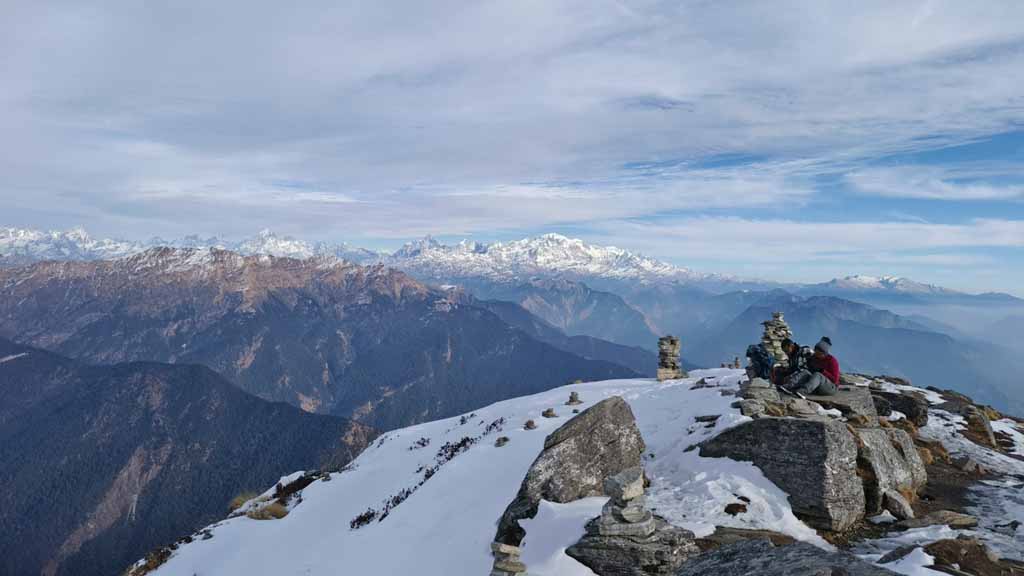
The Everest Base Camp (EBC) trek is a must-do for adventurers. It takes you through Sherpa villages, over suspension bridges, and through glacial valleys, bringing you close to the world’s highest mountain. You will stand at the edge of a 17,598-foot peak and enjoy legendary views. This hike usually lasts 12 to 14 days. It can be challenging, but you don’t need technical climbing skills. You will need endurance, mental strength, and a love for high-altitude adventures. Along the way, you can stay in teahouses, meet other trekkers, and watch breathtaking sunrises over the Himalayas.
Paragliding Over Pokhara
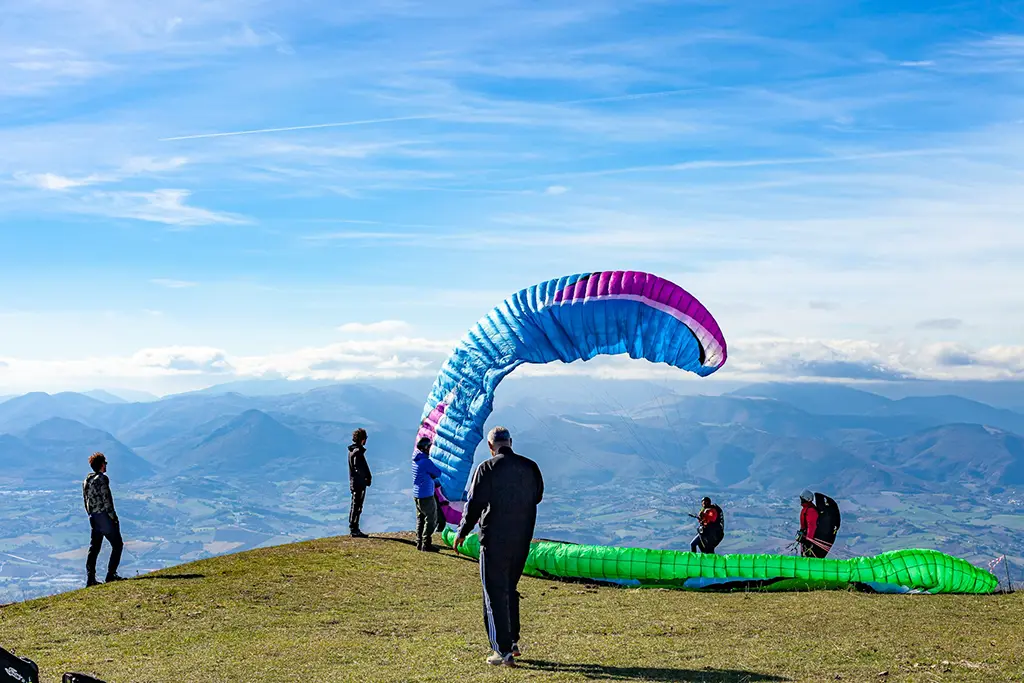
For a unique view of Nepal, try paragliding in Pokhara. You will launch from Sarangkot and glide high above Phewa Lake with the Annapurna range as your backdrop. The flight lasts 20 to 30 minutes. It’s easy enough for beginners but still thrilling for experienced pilots. This spot is one of the best in the world for paragliding, with stable winds and beautiful scenery. You will enjoy the peaceful flight while taking in views for miles.
White-Water Rafting on the Trishuli River
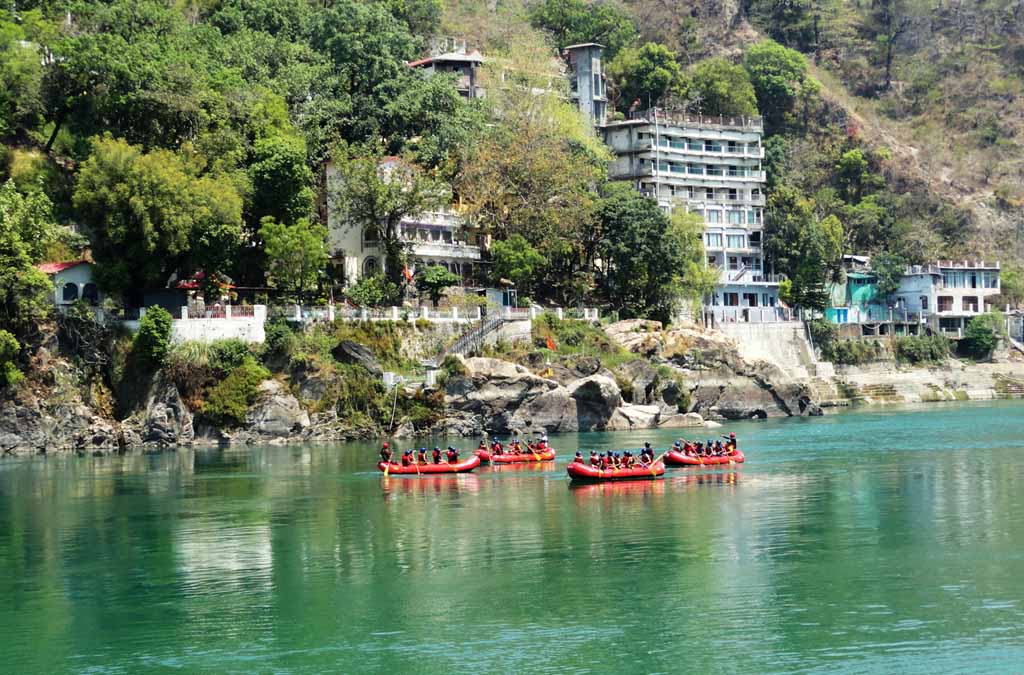
Nepal’s rivers offer some of the best rafting in Asia. The Trishuli River, near Kathmandu and on the way to Pokhara, is perfect for beginners and intermediate rafters. You will experience rapids and waves while paddling past steep hillsides and remote villages. For a more challenging experience, try the Bhote Koshi or Karnali Rivers, which feature Class IV and V rapids. Either way, you are in for an unforgettable ride.
Bungee Jumping at The Last Resort
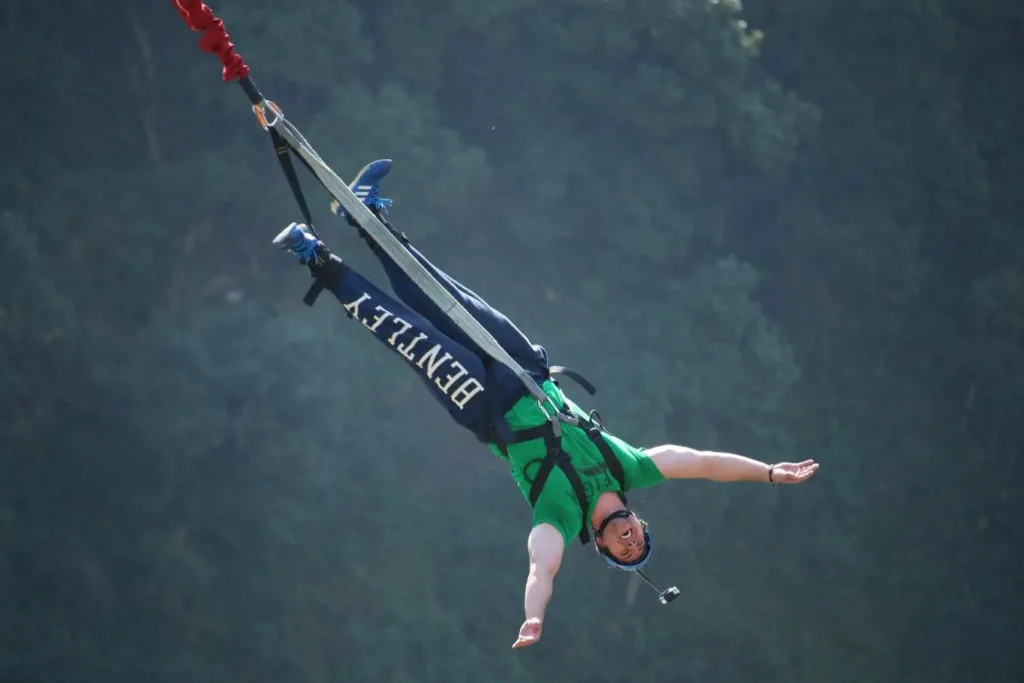
Bungee jumping in Nepal is not for the faint-hearted. At The Last Resort near the Tibetan border, you will jump from 160 meters (525 feet) down into a gorge created by the Bhote Koshi River. This jump is one of the highest in the world and will give you an incredible adrenaline rush. The dramatic scenery includes suspension bridges, rushing rivers, and rugged cliffs. If you’re looking for a once-in-a-lifetime experience, this is it.
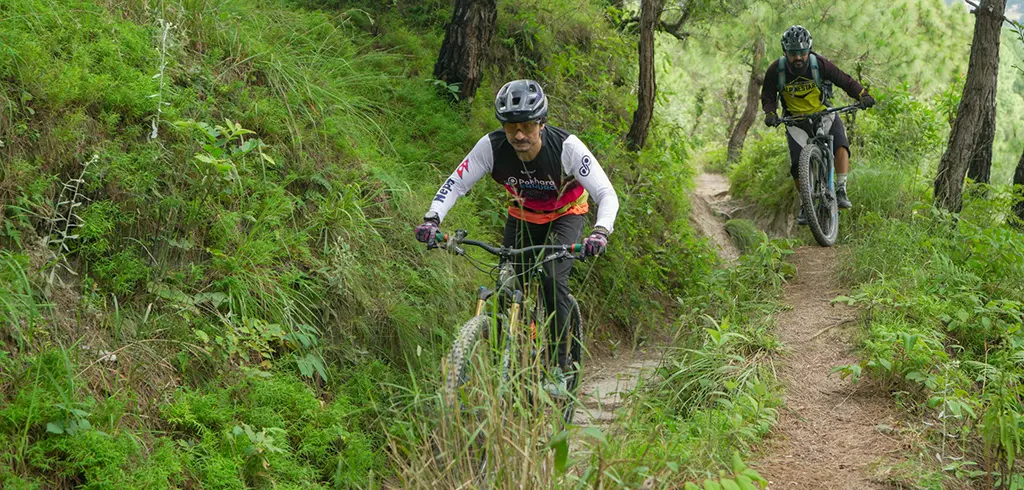
Mountain Biking Through the Kathmandu Valley
Mountain biking in Nepal lets you explore village paths, forests, and old trails. There are routes for all skill levels in the Kathmandu Valley, from easy rides through farmland to challenging downhill tracks. Popular trails include a loop in Shivapuri Nagarjun National Park and the ride from Dhulikhel to Namobuddha. You will pass temples, monasteries, and local villages, all while enjoying stunning mountain views.
Jungle Safari in Chitwan National Park
Adventure isn’t just about mountains. Jungle safaris in Chitwan National Park, a UNESCO World Heritage Site, will let you see rhinos, Bengal tigers, elephants, and crocodiles. You can explore the park on foot, by jeep, or even on an elephant, guided by expert naturalists. This experience shows a different side of Nepal’s natural beauty.

Best Seasons and Booking Tips
The time you visit Nepal can make a big difference in your adventure. The country has different seasons, and knowing the best time to go will help you make the most of your trip.
Best Seasons for Adventure
Spring (March to May): This is the best time for trekking in Nepal. The weather is mild, rhododendrons bloom on the hillsides, and visibility is good. Many people attempt to summit Everest during this season, so popular trails like Everest Base Camp can get busy.
Autumn (September to November): This season is often called the best time for trekking and outdoor activities. The skies are almost blue with a rainbow effect, and the weather is perfect—crisp but not too cold. Wear a long-sleeve shirt, trousers, and shoes, and you’re ready to go. After monsoon rains, expect more trekkers on well-known routes.
Winter (December to February): You can still access lower altitude treks like Annapurna Base Camp and Ghorepani Poon Hill. Higher routes may have snow and need extra gear. In December, Pokhara and Chitwan remain warm.
Monsoon (June to August): Heavy rain makes many trekking routes slippery and prone to landslides. However, the rain-shadow regions, such as Upper Mustang and Dolpo, remain dry and offer unique trekking opportunities during this season.
Booking Tips
Book trekking permits and tours in advance, especially for popular routes like Everest and Annapurna. You will need permits, including the TIMS card and national park entry permits, which you can get through travel agencies or in Kathmandu.
For activities like paragliding and rafting, booking one or two days ahead is usually enough. Many operators in Pokhara and along the Trishuli River offer flexible timing.
Choose reputable operators with good reviews. Make sure they have proper insurance, experienced guides, and quality equipment. Your safety is essential.
Safety and Equipment Guide
An adventure trip in Nepal can be fun, but it also has risks. With good preparation and information, you can stay safe and enjoy your trip.
Trekking Safety
Altitude sickness is a genuine concern on high-altitude treks. To prevent it, go slowly and stay hydrated. Be aware of symptoms like headaches, nausea, and dizziness. If your doctor prescribes it, bring medicine like Diamox.
Hire experienced guides and porters. They know the trails, the weather, and emergency procedures. Hiring local guides also helps support the communities you visit.
Invest in good gear. You need sturdy trekking boots, layered clothing, a warm sleeping bag, and a reliable backpack. Trekking poles can help reduce the strain on your knees during long descents.
Paragliding and Adventure Sports
Only fly with accredited operators who follow international safety standards. Check that the equipment is well-maintained and that pilots have the proper credentials.
If you plan to go rafting or bungee jumping, ensure the company provides helmets and life jackets and offers safety briefings. Attend your briefing—it could save your life.
Travel insurance is a must. Make sure your policy covers adventure activities, medical evacuation, and high-altitude trekking. Helicopter rescues in remote areas can be very expensive, and insurance protects you if something goes wrong.
Post-Adventure Relaxation in Pokhara
After hiking or engaging in exciting activities, you’ll want to relax. Pokhara is the perfect place to do this.
As Nepal’s adventure capital, Pokhara is also calm and surrounded by natural beauty. Lakeside Road has many cozy cafes, yoga studios, and wellness centers where you can unwind.
Spend an afternoon at Phewa Lake. You can rent a boat, paddle to Tal Barahi Temple in the middle of the lake, or sit by the shore and watch the sunset over the Annapurna range.
Try traditional dishes like dal bhat (rice and lentils), momos (dumplings), and thukpa (noodle soup). Most restaurants offer rooftop seating with stunning mountain views.
Pokhara has many spas and massage centers. If you enjoy wellness treatments, you’ll find a variety of traditional Nepali and Tibetan options. A hot stone massage is perfect after a long trek.
Frequently Asked Questions
What is the best time to visit Nepal for adventure activities?
The best times to visit are in spring (March to May) and fall (September to November). These months have clear skies and warm weather, making them ideal for trekking, paragliding, and other outdoor activities.
Do I need a guide for trekking in Nepal?
While some treks can be done alone, it is strongly recommended to hire a guide, especially for remote and high-altitude trails. Guides enhance safety, offer cultural insights, and help with navigation and permits.
Is travel insurance necessary for adventure travel in Nepal?
Yes, you must have travel insurance that covers adventure activities, high-altitude trekking, and medical evacuation. The costs of helicopter rescues and medical care can be very high without proper insurance.
What permits do I need for trekking in Nepal?
The main licenses include TIMS (Trekkers’ Information Management System) cards and national park entry permits, such as Sagarmatha and Annapurna Conservation Area permits. You can buy these in Kathmandu or through trekking companies.
Your Adventure Awaits in Nepal
Nepal is not just a place to visit; it’s a playground for adventurers. Whether you are exploring the highest mountains, flying over tranquil lakes, or navigating wild rivers, you will find excitement around every corner.
Nepal’s beauty can be surprising and rewarding. You will return with unique stories, unforgettable memories, and a deeper appreciation for nature’s power.
So, what are you waiting for? Book your adventure packages and travel insurance now, pack your gear, and discover why Nepal is special to so many people who crave adventure. The mountains are calling — will you answer?


