Visiting India for the First Time: Guide
Every visitor to India leaves with a story. They might tell you about an uncle who struggled with his luggage, the excitement of trying street food, or how strangers became lifelong friends. Sarah thought she was prepared when she arrived at New Delhi airport with her planned itinerary and new backpack. Three hours later, she found herself packed into a rickshaw with two chickens, a family of five, and their pet goat, wondering how her “quick taxi ride” had turned into a ride with farm animals.
Welcome to India, where every plan is just a suggestion and each day unfolds its own adventure. In our travel community, we gathered true stories from backpackers who journeyed through one of the most life-changing countries in the world. This is the reality of backpacking in India for the first time. It’s messy, overwhelming, beautiful, and completely life-changing. For thousands of young adventurers each year, India is more than a destination; it’s a pivotal experience that changes how they see the world and themselves.
Why Visiting India for the First Time Is Unforgettable
India is a popular destination for backpackers. You can travel here on a budget, spending just $20 to $30 a day for good lodging, delicious food, and transport. The country offers many different experiences. But traveling in India is not just about affordability. It challenges common Western views of the world. For example, traffic signals often seem like mere suggestions, and personal space is uncommon. A simple question like “What time does my train arrive?” can lead to deep discussions about the nature of time itself.
This mix of cultures creates what many call “India syndrome.” This is a strong love-hate feeling that makes some people leave within two weeks, while others stay for six months. Few people find a balanced response.
Traveling in India can help you grow in ways that more comfortable places cannot. For instance, walking through the crowded streets of Old Delhi at midnight, lost and hungry, with a dead phone and no Hindi, reveals how strong you can be. You may even learn to trust again when strangers invite you to share a meal with their families.
For first-time backpackers, India offers a special chance: the chance to lose yourself completely—and then return home changed. The chaos strips away your comfort zone and shows you your true self.
Real Stories from First-Time Backpackers
Jake’s Epic Train Mix-Up
Jake from Melbourne thought he understood India’s train system well after booking a sleeper train from Delhi to Agra. He arrived at the station early and felt confident. That confidence faded when he saw the destination board and realized he had boarded a train to Kolkata, which was in the opposite direction 🙄
“I didn’t panic right away,” Jake says, laughing. “I thought I could just get off and wait for another train.” What he didn’t know was that the next stop was eight hours away at a tiny station in the middle of nowhere at 3 AM.
Jake stayed up all night sharing chai and broken English with other travelers. They found his mistake funny and charming. By morning, he had learned basic Hindi numbers, tried betel leaf for the first time, and made three lifelong friends who insisted on going with him to Agra.
“I missed the sunrise at the Taj Mahal that I had planned for months, but I gained something much better: the realization that when you get lost in India, it’s not an accident but an opportunity dressed as chaos.”

Maria’s Street Food Revelation
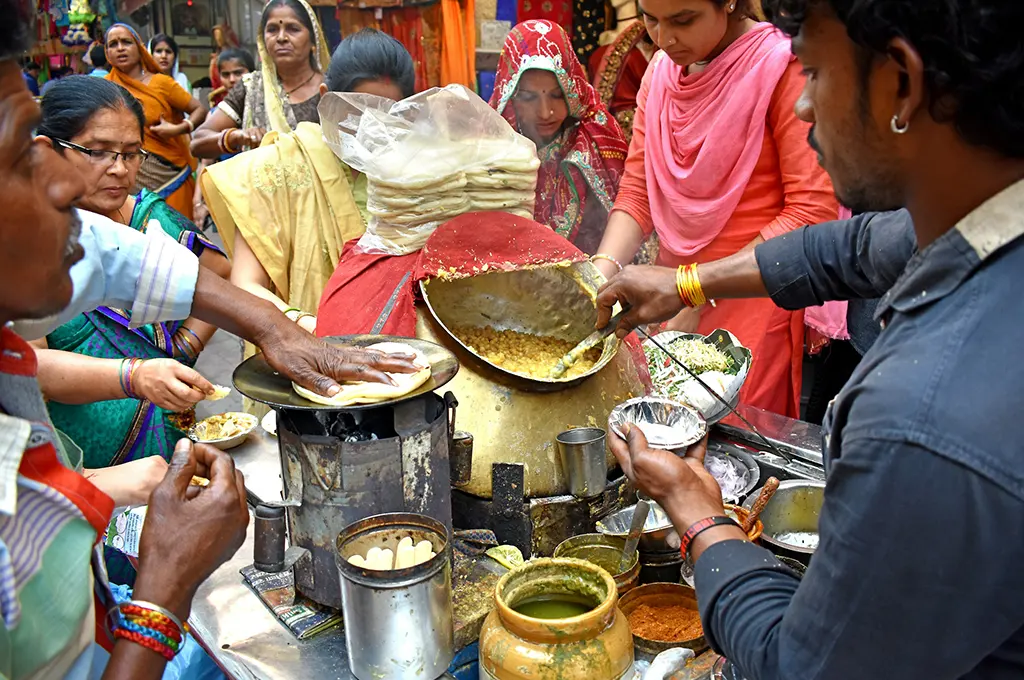
Maria from Barcelona had a strong stomach. She traveled through Southeast Asia without getting food poisoning, which made her confident about trying India’s street food. However, her confidence wavered on day three when she met a vendor in Delhi selling food that smelled amazing but looked strange.
“The vendor didn’t speak English, and I didn’t speak Hindi, yet he was smiling widely and pointing at a bubbling pot,” Maria said. “Seeing other locals waiting was reassuring, so I pointed and nodded my head.”
She tried chole kulche, which are spiced chickpeas with fried bread, and it changed her view of Indian food forever. More importantly, she learned how to navigate India’s food scene using simple tools: gestures, smiles, and trust.
“That meal cost 20 rupees, and I learned that the best things in life begin when you say yes before asking questions.”
Tom’s Unexpected Spiritual Journey
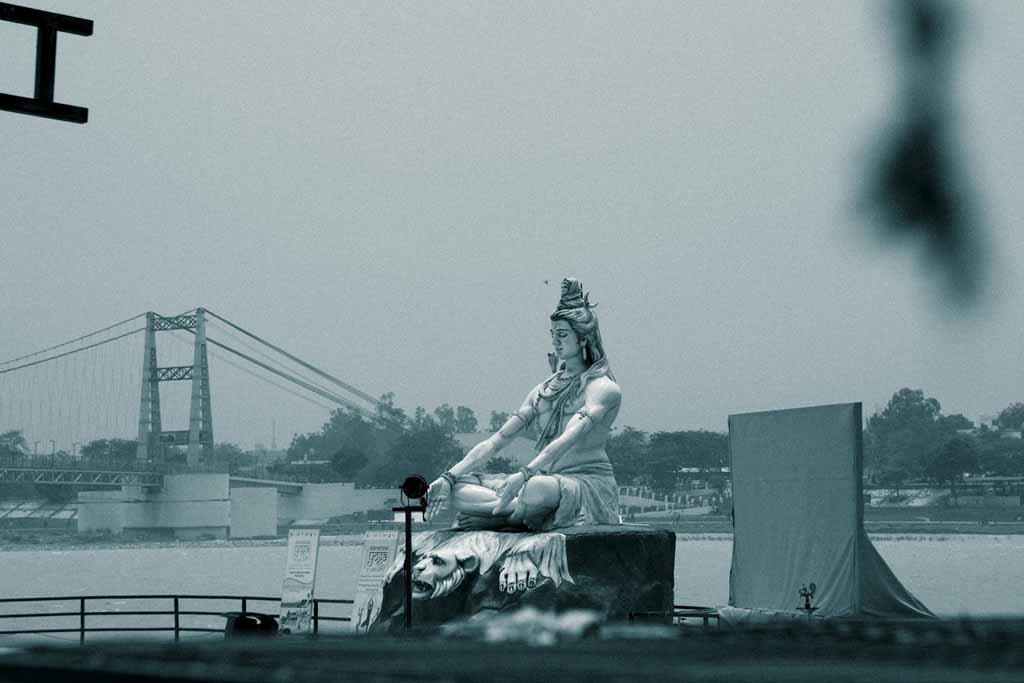
Tom from London traveled to Rishikesh to explore spiritual tourism, including yoga and some meditation, to balance his party-filled gap year. However, he found a much deeper experience than he expected.
His first yoga class was overwhelming. At 5 AM, he found himself crying at the Ganga Aarti (river ceremony) without understanding why. After a week of early mornings, simple meals, and honest meditation, Tom realized he had been avoiding himself for years.
“India has a unique way of stripping you down to your true self,” Tom says. “You can’t hide behind your job, social media followers, or travel experiences. You are just yourself, facing whatever challenges India offers. It’s both terrifying and incredibly freeing.”
Chaos Moments: When India Tests Your Limits
The Great Railway Station Adventure
After a few days, you will have your own stories about train stations filled with crowds and confusion. You’ll learn that the idea of “lining up” doesn’t really work here.😊
Imagine this: You found Platform 7 after asking several people. But you should actually be at Platform 12. The electronic board still shows Platform 7, and everyone around you seems calm, even though no train is arriving.
Now add in hundreds of other confused passengers, vendors selling everything from hot chai to phone chargers with great enthusiasm, and announcements echoing in three languages over old crackling speakers. Congratulations! You’ve just experienced a typical Tuesday at one of India’s major railway stations.
The best strategy? Accept the chaos. Ask local passengers for help—they are usually happy to assist and often know the right platform, even when official signs are unclear. Their knowledge is often better than any digital system.
Street Food Russian Roulette
Traveling in India can be chaotic, especially at makeshift food markets. Vendors serve food from stalls that have been around forever, managing to stay open despite various challenges. Hygiene may shock people used to Western standards. Still, locals eat here daily without getting sick, as their stomachs are accustomed to the food.
For first-time backpackers, the choice is tough: they can play it safe and miss out on incredible flavors or take some risks and possibly spend time recovering in a hostel bathroom. Most travelers find a balance. They might start by eating well-cooked food from busy stalls, which usually have fresher ingredients, and avoid raw items at first. Over time, they become more comfortable with the local cuisine.
The reward? Discovering that the best pani puri costs just 10 rupees and comes from a cart held together by a passion for food and some duct tape.
Tuk-Tuk Negotiation Warfare
An auto-rickshaw ride is more than just getting from one place to another. It involves negotiating prices, testing your patience, and using basic Hindi in stressful situations. You often have to do quick math under pressure. Drivers might ask for prices that seem too high, while tourists typically offer much lower amounts. Eventually, both sides agree on a price that feels reasonable.
The ride itself can be an adventure. You dodge sacred cows, navigate chaotic traffic, and stop at gas stations that look like they haven’t changed since British colonial times. Many backpackers call tuk-tuk rides a wild activity that’s disguised as regular public transport.
Monsoon Season Surprises
Travel in India during the monsoon can be chaotic. Heavy rain can turn streets into rivers, making it hard for cars to move. Train schedules often become unreliable, and even a “waterproof” backpack might let water in, damaging your electronics.
However, the monsoon also brings beautiful experiences. You can smell the fresh rain on hot earth, enjoy cooler temperatures, and see landscapes transformed into lush, green scenes. Many backpackers find that this time is the most memorable part of their travels.
Hidden Charm: Discovering India’s Extraordinary Heart
The Profound Kindness of Strangers
Despite the chaos in India, there is a remarkable culture of hospitality that amazes Western visitors. Backpackers experience acts of kindness that restore their faith in humanity. Lost tourists are often invited to elaborate meals by local families. Shop owners serve you chai and engage in genuine conversation without trying to make a sale. On trains, people share food and life stories, even with language barriers.
These wonderful experiences often happen unexpectedly. When you feel frustrated and regret your travel decisions, a stranger may appear, offering clear directions or a warm smile that brings comfort. Small gestures can remind you of the journey’s joy.
For example, Sarah from Canada felt very weak after food poisoning in Varanasi. An old shopkeeper noticed her distress, closed his shop, and took her to a reliable pharmacy. He refused any payment and told her, “You are a guest in my country.”
Hidden Gems Beyond Tourist Circuits
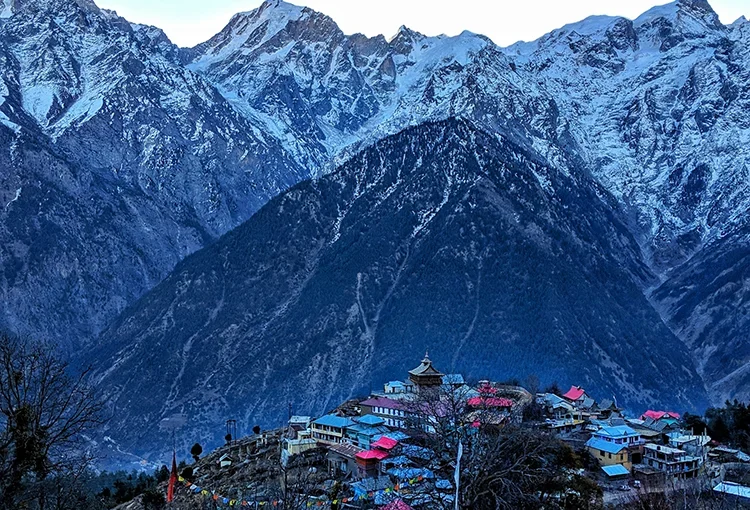
Many first-time visitors to India choose to travel the popular Golden Triangle route (Delhi-Agra-Jaipur). However, some of the best attractions and experiences are found off the beaten path, where guidebooks often don’t go. These include remote mountain villages that follow ancient traditions, communities where craftsmen use techniques passed down through generations, and untouched beaches where fishermen work the same waters their ancestors fished centuries ago.
These discoveries usually happen by chance. Travelers might get off a bus and find themselves in breathtaking hill stations. Mistakes can lead to local festivals that become memorable highlights of the trip. Conversations with other travelers can reveal hidden gems that change the course of your journey.
For example, a German traveler named Alex spent five months in India. He ended up stuck on a broken-down vehicle in Rajasthan. What seemed like a problem turned out to be the best part of his trip. He spent three days learning traditional pottery, sharing meals with local families, and joining a wedding celebration that lasted until dawn.
The Spiritual Dimension Beyond Stereotypes
India offers a deep spiritual experience that goes beyond popular tourist attractions like ashrams, yoga retreats, and Ayurvedic centers. Spirituality is part of everyday life, where evening prayers from local temples fill the air and people talk about karma and destiny. Many believe that life is full of mysteries waiting to be explored.
Backpackers often arrive feeling skeptical but leave with a new sense of faith. This faith isn’t always linked to a specific religion; it stems from the belief that travel can truly change one’s perspective. India uniquely turns complex ideas into simple, relatable experiences.
Spiritual awakenings usually happen slowly through small, personal insights rather than significant, dramatic events. Whether it’s finding peace during early morning meditation by the Ganges, having meaningful chats with wise sadhus, or connecting deeply with ancient rituals, there’s a real sense of wonder. Each moment can inspire and encourage personal growth and reflection.
What Backpackers Learned from India
Flexibility Becomes Essential Survival Skill
Every backpacker guide for India emphasizes that adaptability is one of the most essential skills. In India, nothing is specific, and every day brings new challenges. The best backpackers are those who embrace change as an opportunity rather than as a burden.
This flexibility is useful beyond just travel. Many travelers report that their experiences in India have helped them handle uncertainty better at home. They find it easier to solve problems and feel more confident when facing unexpected situations. For me, traveling in India has been a great way to build resilience.
Emma, a traveler from Australia, feels that her time in India has prepared her for success in her career. She said, “Navigating Indian bureaucracy made dealing with corporate red tape easy. If I can buy train tickets in rural Bihar, I can handle office politics.”
Cultural Humility and Expanded Worldview
Traveling in India can teach backpackers that their usual ways of doing things are not universal truths or the most efficient methods. Just because something is different doesn’t mean it’s worse; it simply means it’s different. This understanding of cultural humility can be one of the best gifts of travel.
Western ideas about efficiency, self-reliance, and time can contrast with Indian ways that focus on community, relationships, and spirituality. Neither approach is better; both are valid perspectives on human life.
Essential Tips for Visiting India for the First Time
Essential Pre-Trip Preparation Strategy
Start applying for your visa early. The e-visa system for India makes it easier, but you need to submit your application in advance to allow for processing time. Learn some basic Hindi words beyond the tourist phrases! Simple words like “kitna” (how much), “dhanyawad” (thank you), and “kshama kariye” (excuse me) can significantly improve your interactions with people. Before visiting India for the first time, check the official Indian Visa Online portal for updated visa requirements and e-visa procedures.
Pack carefully for different weather conditions. You might experience cold in the Himalayas and heat in tropical regions within the same week. Use versatile layers instead of bulky items; quick-drying clothes save space in your bag and dry faster in humid areas.
Make flexible travel plans. Allow extra days between destinations in case your plans go awry, or to enjoy unexpected experiences. India rewards travelers who are curious and open to discovery.
Smart Accommodation Strategy
Book your first few nights in advance, especially in big cities like Delhi, Mumbai, or Bangalore. This will give you time to adjust and plan without the pressure of deciding while you’re jet-lagged or overwhelmed.
As you travel, consider staying in different types of places. Hostels often have a lively atmosphere and helpful local tips. Family-run guesthouses offer a chance to experience local culture and enjoy home-cooked meals. Treat yourself to nicer hotels now and then to rest and recharge if needed.
Some hostels are located in popular backpacker areas, like Paharganj in Delhi or Colaba in Mumbai. These areas offer affordable food, easy transportation, and opportunities to meet other travelers, while still being relatively safe.
Transportation Planning Mastery
India has one of the longest train networks in the world. Traveling by train can be very cheap, or you can pay more for comfort. The IndRail Pass lets you choose freely, especially if you plan to take several long journeys across the country.
If you are traveling shorter distances, private buses are often faster than trains. However, the comfort level can vary by company, so it’s important to research overnight bus services. Some can be good value and comfortable, while others may save you money but can compromise your sleep and comfort.
For travel planning, download apps like Trainman for train bookings, Redbus for intercity buses, and Maps.me for navigation in areas with unreliable internet.
Health and Safety Fundamentals
Before you travel, check with a travel medicine specialist at least 6 to 8 weeks in advance to discuss any necessary vaccinations and precautions. You may need vaccines for hepatitis A and B, Japanese encephalitis, and typhoid. Malaria prevention depends on where and when you are traveling.
Bring a complete medical kit that includes broad-spectrum antibiotics recommended by your doctor, anti-diarrheal medicine like Loperamide, oral rehydration salts for dehydration, and basic first-aid supplies. Make sure to pack enough of your personal prescription medications for emergencies, along with copies of your prescriptions in case you need a refill.
Always register with your embassy when visiting a new country. Keep copies of important information in multiple places, including cloud storage accessible from anywhere with an internet connection.
Embrace the Beautiful Chaos
Traveling to India changes you. Each backpacker returns home with stories that seem unbelievable to those who haven’t made the journey. You might recall the train that arrived 12 hours late, but led to an unforgettable adventure. You might think, “I’ll get sick if I eat that street food,” but it could turn out delicious. You will meet strangers who become lifelong friends, even if you don’t speak the same language.
These stories show something important about people: actual growth happens outside your comfort zone. India challenges travelers, pushing them beyond their limits and making them face their fears and assumptions.
Your first trip to India won’t go as planned. Your carefully developed itinerary will be just suggestions. Your cultural preparation may not feel enough. Your expectations will be exceeded, and sometimes completely wrong.
This is why you should go ahead and book your flight. The chaos is absolute, but so is the charm that changes lives. India teaches you lessons that you won’t learn anywhere else: that plans often don’t work out, that kindness breaks language barriers, that personal growth comes from discomfort, and that the best adventures begin when things go wrong.
Start planning your Indian journey now. Check visa regulations, book your first night, and prepare for an experience that will change your understanding of purposeful travel. India is not just a destination; it is a lesson in resilience, empathy, and self-discovery, wrapped in beautiful chaos.
Your amazing stories are ready to be written, one unpredictable day at a time.